 Fude Machinery-wood crusher manufacturer
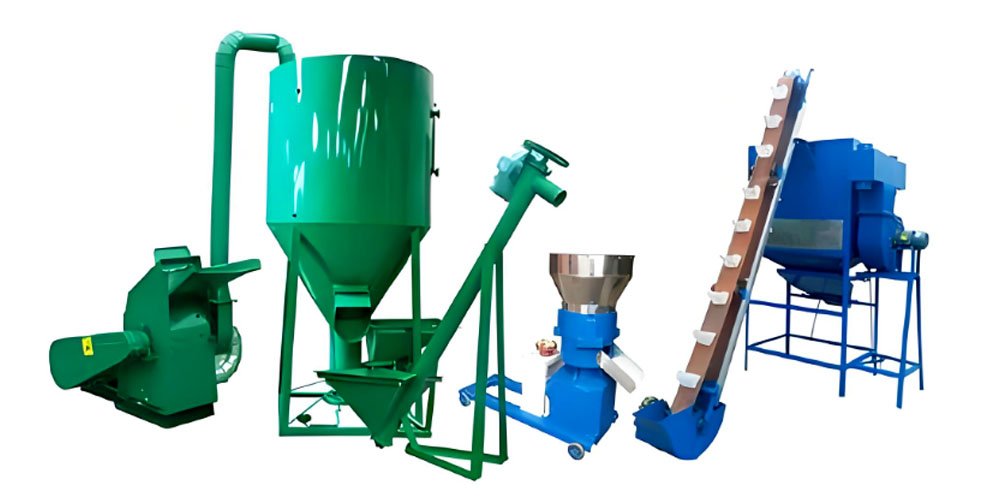
What is a small feed pellet machine production line
676It is a combination of equipment specifically designed for producing pellet feed
View detailsSearch the whole station Products
Is your duck healthy? Are they getting the right food? Feeding ducks properly is key.
The best feed for ducks is a balanced commercial waterfowl feed. It provides the right nutrients, protein, and energy for their age. Pelleted feed is often best to reduce waste and ensure balanced intake.
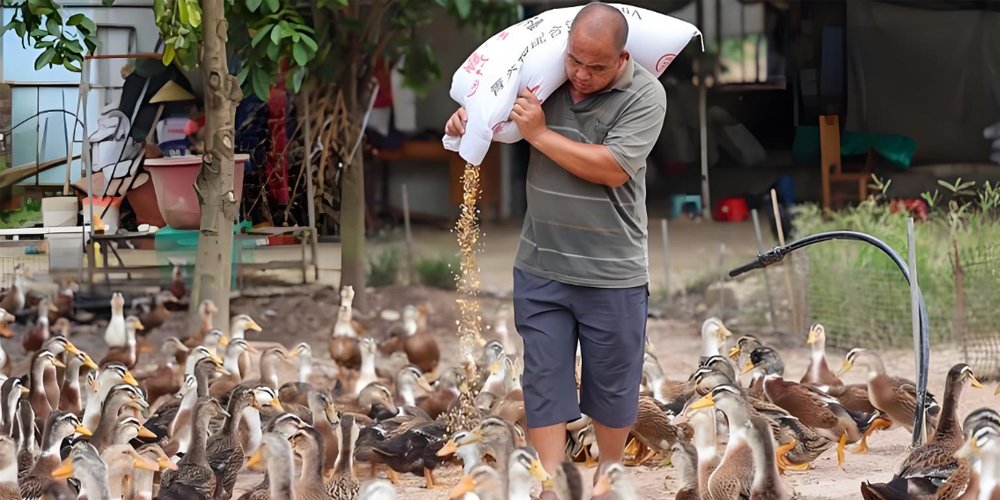
Feeding ducks the right food helps them grow strong. It keeps them healthy. It also helps laying ducks produce good eggs.
Feeding ducks the wrong food causes problems. Ducks need specific nutrients. What should be in their food?
A good duck feed has the right mix of protein, energy, vitamins, and minerals. The exact amounts change based on the duck’s age and if it lays eggs. It must also be in a form ducks can easily eat.
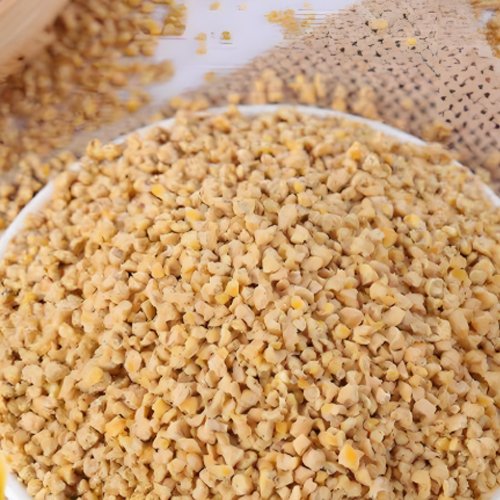
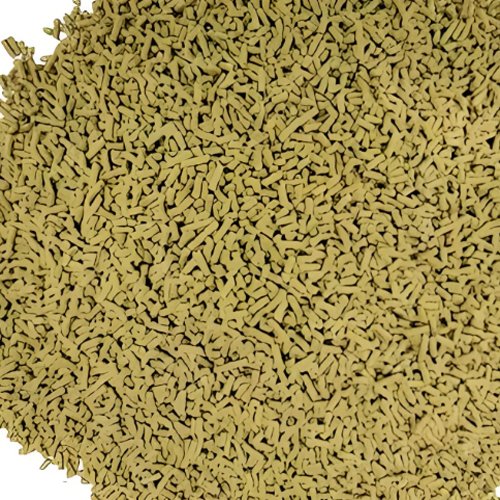
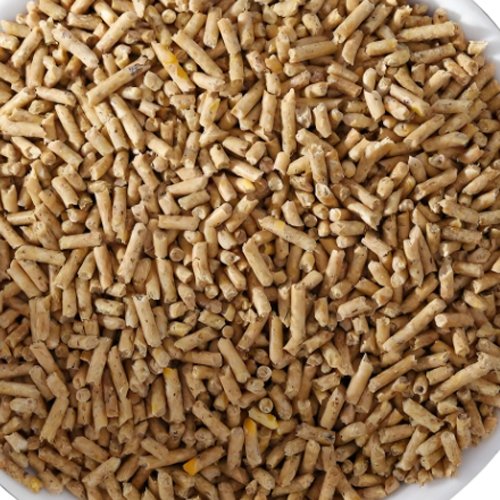
Good duck feed has many parts. Protein is important. It helps ducks grow muscles and feathers. Ducklings need more protein than adult ducks. Energy comes from carbohydrates and fats. This gives ducks power to move and stay warm. Vitamins and minerals are also needed. Niacin, a B vitamin, is very important for ducks, especially young ones. Calcium is needed for laying ducks to make strong eggshells. Other minerals like phosphorus and zinc are needed too. The feed material must be processed right. This means things like grains or plant stalks might need crushing first. Then they are mixed carefully. Sometimes, these mixes are made into small pieces or pellets. This makes sure each bite has everything the duck needs. Good processing also makes the nutrients easier for the duck to use.
To produce high-quality duck feed using a feed pellet machine, it is necessary to comprehensively consider the feed formula, granulation process, and storage conditions. The following will provide a detailed explanation from three aspects: feed formula, granulation process, and storage management:
Duck food looks different sometimes. What are the choices? Each type has good points and bad points.
Duck feed often comes as pellets, crumbles, or mash. Crumbles are small pieces. Mash is loose like flour. Pellets are small, hard shapes. Pellets are usually best for adult ducks.
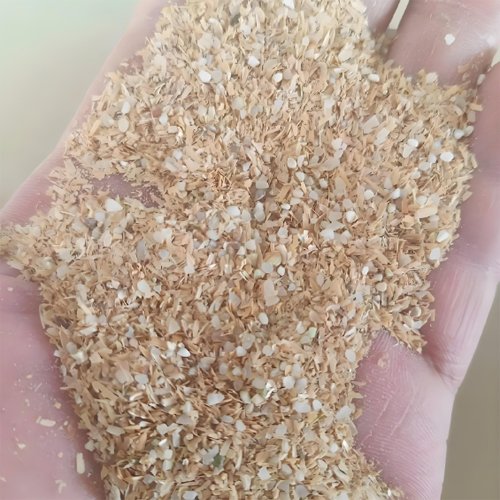
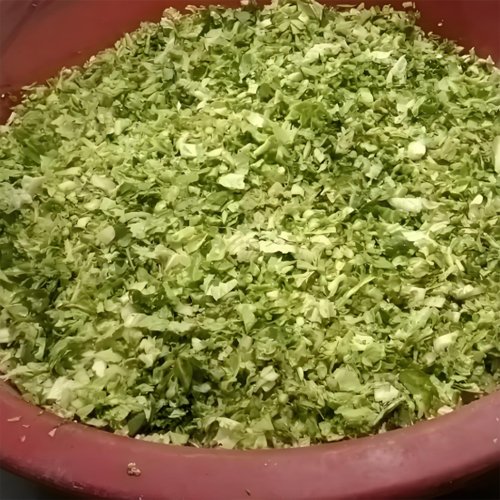
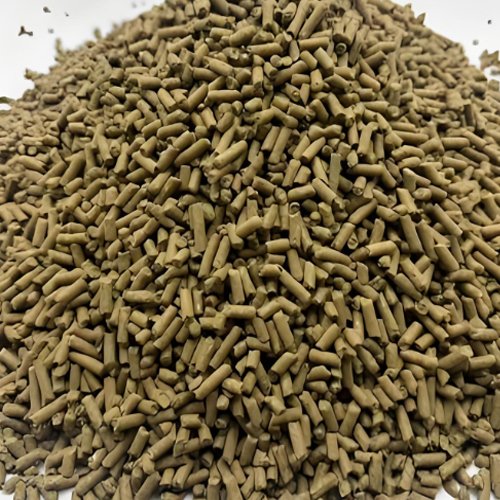
Ducks eat food in different forms. Mash is the most basic form. It is a mix of dry ingredients. Mash is dusty. Ducks can waste a lot of mash. They might push it around with their beaks. This can lead to waste. It also means they might not eat all the nutrients. Crumbles are mash that is broken into small pieces. Crumbles are good for young ducklings. They are easier for little ducks to eat than big pellets. Crumbles also have less waste than mash. Pellets are made by taking mash and pressing it into shapes. The mash is heated and pushed through a die. This makes solid pellets. Pellets are great for adult ducks. Ducks eat pellets cleanly. They do not waste as much. Every pellet has the same mix of nutrients. This means ducks get a full, balanced diet with each bite. Making pellets needs special machines. These machines process the mixed ingredients. Fude makes machines that can make feed pellets. This process helps make a better food product for farms.
Do baby ducks eat the same as big ducks? A duck’s needs change. What food is right for each stage?
Baby ducks, called ducklings, need feed with high protein. They need it in small pieces (crumbles). As they grow, their protein needs go down. Adult ducks need a balanced feed.
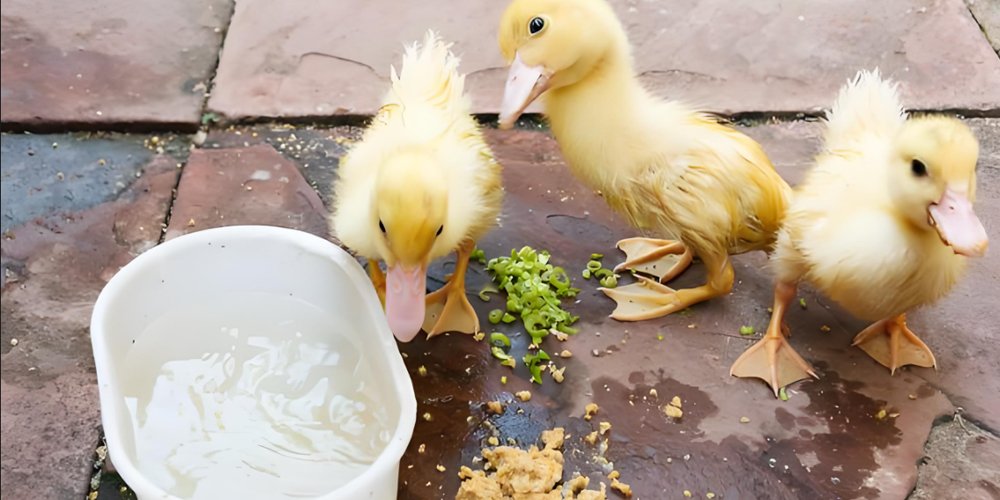
A duck’s life has different food stages. Very young ducklings (0-3 weeks old) grow very fast. They need feed with high protein, usually 18-20%. This feed must be small and easy to eat. Crumbles are best for ducklings. They cannot eat large pellets yet. This early feed also needs enough niacin for their legs. Growing ducks (about 3 to 16 weeks) still grow, but slower. They need less protein, around 15-16%. They can move to a grower feed. Grower feed can be larger crumbles or small pellets. Adult ducks (over 16 weeks) need maintenance feed. Protein can be around 14%. If adult ducks are laying eggs, they need layer feed. This layer feed needs more calcium for shells. Non-laying adults need lower calcium. Making feed for different ages needs careful mixing and processing. The size of the feed pieces is also important. Fude machines can crush materials to the right size for crumbles or make pellets for adult feed. This allows farms to create specific feeds for each stage of a duck’s life, ensuring they get the best nutrition.
The best feed for ducks is balanced, fits their age, and is often pelleted for health and less waste.
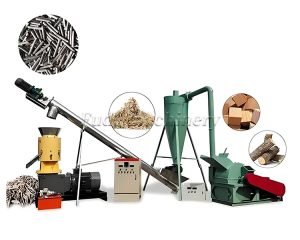
It is a combination of equipment specifically designed for producing pellet feed
View details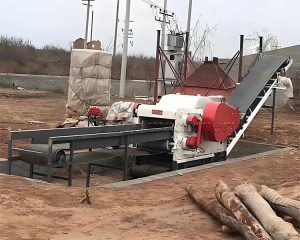
It is a new type of woodworking machinery equipment that is ideal for the production of wood powder in the front line
View details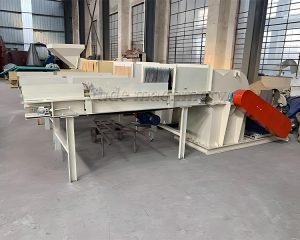
It achieves efficient, fast, and fine crushing of wood.
View details
These advantages make the charcoal machine production line have broad competitiveness and application prospects in the market.
View details
HelloPlease log in