Search the whole station Products

Types and Applications of Duck Feed Granules

Raising ducks takes careful planning. Getting the right feed is a big challenge. Poor feed means slow growth or unhealthy birds.

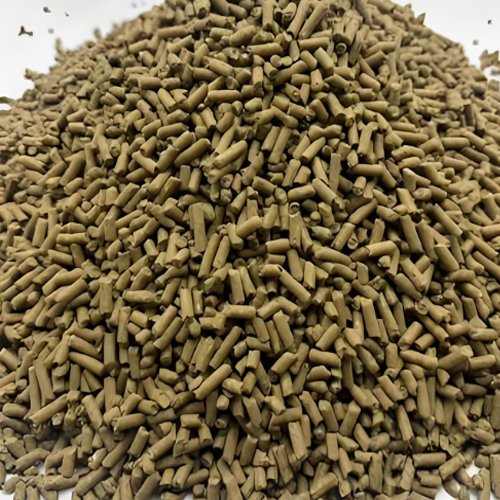
Duck feed granules are specially made small pieces of feed. They give ducks balanced food easily. They are good for different duck ages and farming goals like meat or eggs.
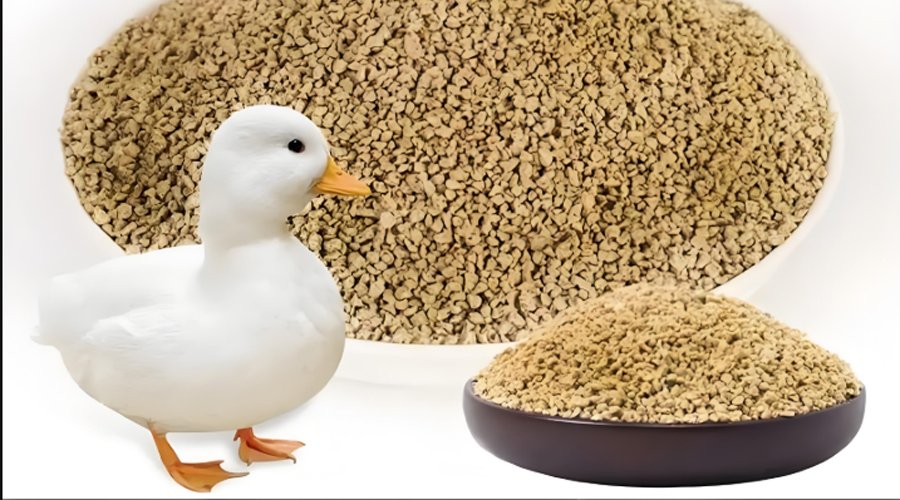
Choosing the right feed is very important for healthy ducks. Pellets are a popular choice. They offer many benefits over other feed types.

What types of feed pellets are there for ducks?

Picking the right pellet is key for good duck health. Ducks need different nutrients at different ages. The feed type must match their growth stage.

Duck feed pellets come in different types. They are made for specific ages like ducklings or adult ducks. They also differ based on what the duck is raised for, like meat or eggs.
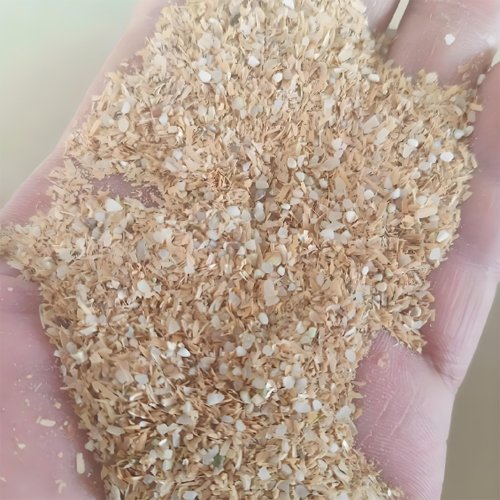
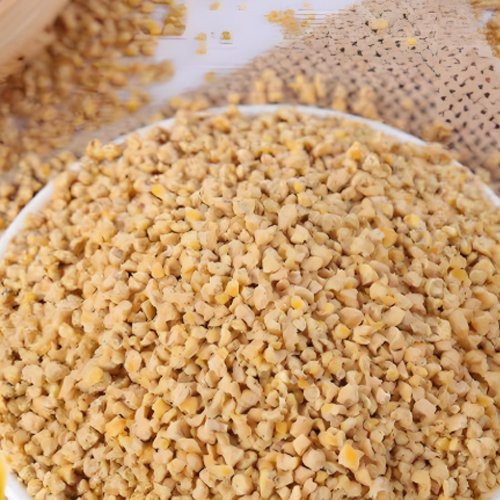
Understanding the different types helps farmers feed their ducks better. Different pellet sizes and nutrient levels are important. This ensures ducks get what they need as they grow or produce.

Types Based on Duck Age

  • Starter Pellets: These are small pellets. Ducklings eat them. They have high protein for fast growth. They are easy for little ducks to swallow.
  • Grower Pellets: Ducks eat these after the starter phase. They are a bit bigger. Protein levels are lower than starter pellets. They support steady growth before maturity.
  • Finisher Pellets: Ducks eat these before they are sold for meat. They are used in the last few weeks. They focus on weight gain. Protein levels are lower than grower feed.
  • Layer Pellets: Adult ducks raised for eggs eat these. They have high calcium. This helps ducks lay strong eggshells. They contain balanced nutrients for egg production.

Types Based on Purpose

  • Meat Duck Pellets: These pellets focus on fast weight gain. They are used for ducks raised for meat. They have specific energy and protein balances for muscle growth.
  • Layer Duck Pellets: These pellets support egg laying. They have extra calcium and other minerals. They help ducks produce many good eggs.
  • Breeder Pellets: Ducks used for breeding eat these. They ensure good health for both parents. They support fertility and hatchability of eggs.
  • Maintenance Pellets: These are for adult ducks not being raised for meat or eggs. They provide basic nutrition. They keep ducks healthy in non-production phases.

These types make sure ducks get the right food at the right time. Choosing the correct pellet type is key to success in duck farming. Different feeds meet different needs. This helps ducks grow well or lay eggs efficiently. We understand the need for precise feed types.

Why are duck feed pellets better than powder feed?

Farmers want to feed ducks effectively. Powder feed was used before. But it has many problems. Pellets solve many of these issues.

Pellets are better for feeding ducks than powder feed. Ducks waste less pellet feed. They eat more nutrients this way. Pellets create less dust.
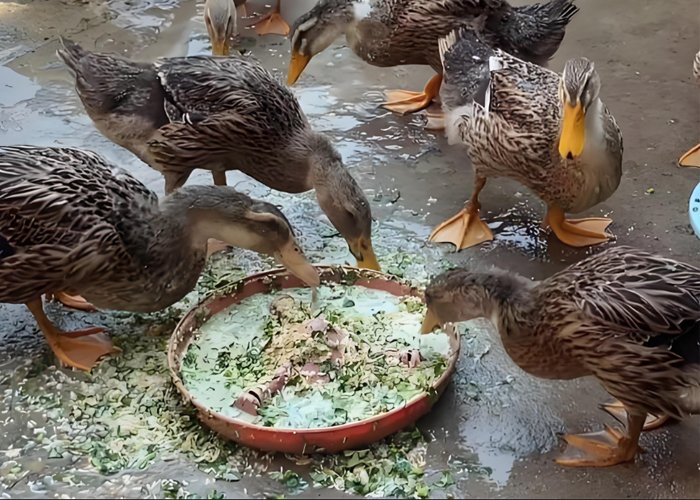
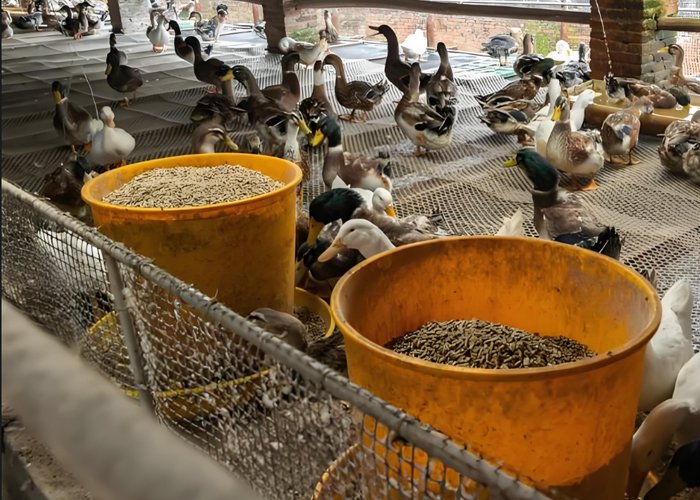
Using pellets improves how ducks eat. It also makes the farming environment cleaner. Pellets offer clear benefits that help farmers save money and raise healthier ducks. The differences are important for farm efficiency.

Benefits of Using Pellets

  • Reduced Waste: Powder feed is often spilled. Ducks play in it or push it out of feeders. Pellets are heavier and larger. Ducks spill much less pellet feed. This saves money on feed costs.
  • Improved Feed Intake: Ducks cannot pick through pellets. They must eat the whole pellet. This ensures they get all the nutrients. With powder, ducks can pick out preferred ingredients. Pellets provide a complete, balanced bite every time.
  • Less Dust: Powder feed creates a lot of dust. This dust can cause breathing problems for ducks. It also makes the air dirty in the duck house. Pellets have very little dust. This leads to cleaner air and healthier ducks. It is also better for the people working on the farm.
  • Better Storage: Powder feed can become sticky or moldy easily. It can also separate into different ingredients during transport or storage. Pellets stay in good condition longer. They are less likely to spoil. This means less wasted feed in storage.
  • Improved Hygiene: The reduced dust and waste from pellets lead to cleaner living areas for ducks. This helps prevent the spread of diseases. Cleaner conditions mean healthier ducks and lower vet bills.

These points show why many farmers switch to pellets. The benefits help ducks stay healthy and grow efficiently. Pellets are a modern way to feed ducks. They are a better choice for serious farmers.

How do we make quality duck feed pellets?

Making good duck feed pellets requires specific steps. The process turns raw ingredients into useful, solid pellets. Quality control is important at every stage.

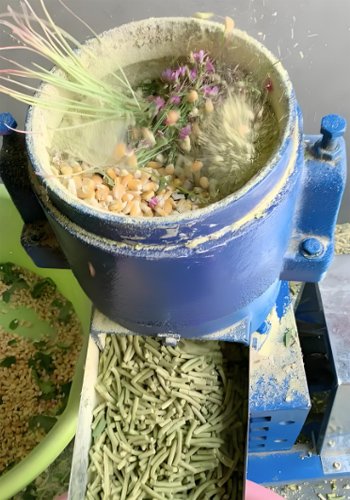
Making quality duck feed pellets involves several steps. It starts with raw ingredients. Machines process these ingredients into pellets. The right equipment is necessary for good results.
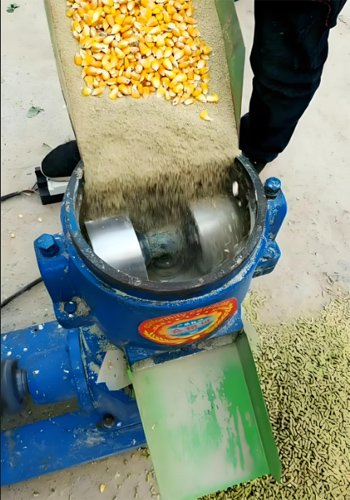
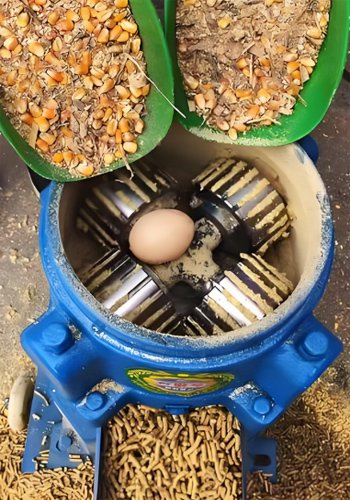
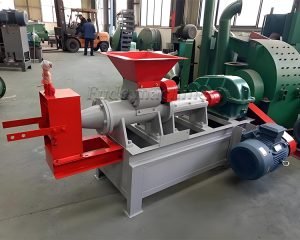
Feed pellet machine
Feed pellet machine
Feed pellet machine

We provide the machines needed to make these pellets. The process ensures the feed is nutritious and easy for ducks to eat. Each step is important for the final pellet quality. This includes careful preparation and processing.

The Pellet Manufacturing Process

  • Raw Material Preparation: We start with ingredients like grains, protein sources (like soybean meal), vitamins, and minerals. These materials are weighed precisely according to the feed formula. They are then ground into fine particles. This grinding step is very important. It ensures the ingredients mix well and can be pressed into pellets.
  • Mixing: The ground ingredients are moved to a mixer. All the ingredients are blended together evenly. This step ensures every bite of the pellet has the right balance of nutrients. Poor mixing means poor feed quality.
  • Conditioning: The mixed feed travels to a conditioner. Steam is added here. Adding steam does several things. It adds moisture and heat. This helps to cook the feed slightly. It also makes the feed softer. This conditioning makes the feed easier to press into pellets. It also helps to kill bad bacteria. The starch in the feed becomes gelatinized, which helps the pellet hold its shape.
  • Pelleting: The conditioned feed goes into a pellet mill. This is a key machine. Inside the mill, rollers push the feed through holes in a die. The pressure and heat form the feed into dense pellets. The size of the holes in the die determines the pellet size. We make various pellet mills for different needs. Our machines are strong and reliable for this step.
  • Cooling: The pellets coming out of the mill are hot and soft. They need to be cooled. They go into a cooler. Air is blown through the pellets. This removes heat and moisture. Cooling makes the pellets hard and durable. This helps them stay in good condition during storage and transport.
  • Screening: After cooling, the pellets are screened. This step removes any fines (small broken pieces or dust) and oversized pellets. Only the correctly sized, whole pellets go on to packaging. The fines can be re-pelleted.
  • Packaging: The finished, screened pellets are weighed and put into bags or stored in bulk silos. They are now ready for transport to farms. Proper packaging protects the pellets from moisture and pests.

Zhengzhou Fude Machinery designs and manufactures machines for these key steps, especially the granulation part. Fude Machinery’s feed pellet machine helps customers consistently produce high-quality pellets. Manufacturing particles requires good machinery and careful control.

Choosing the right duck feed is crucial. Pellets offer many benefits over powder. We provide machines to make quality pellets.
The prev: The next:

Related recommendations

  • Choosing the Right Chicken Feed Pellets?

    380

    Chickens need good food. Wrong feed makes them sick. How do you choose the best kind? 选择鸡颗粒饲料取决于鸡的年龄和用途。不同阶段需要不同的营养成分。颗粒饲料有助于鸡高效采食,减少饲料浪费。 Understanding what your chickens need is the firs...

    View details
  • What is the purpose of the tree branch crusher

    482

    Piles of branches creating headaches and disposal costs? You know there must be a better way than hauling away bulky green waste or risky burning. Branch crushers (like chippers or shredders) primarily exist to drastically reduce the volume of ...

    View details
Click Cancel to reply