 Fude Machinery-wood crusher manufacturer
How does a wood splitting machine work
482Its working steps include positioning, splitting, and resetting, which have a wide range of application fields and significant characteristics
View detailsSearch the whole station Products
Feeding geese can be messy. Waste happens easily. It costs you money.
Goose feed pellets are a complete food source for geese. They combine many ingredients into small, compressed pieces. Geese eat these pellets easily. Pellets give geese balanced nutrition in each bite. This helps geese grow healthy. My company makes machines to produce these useful pellets.
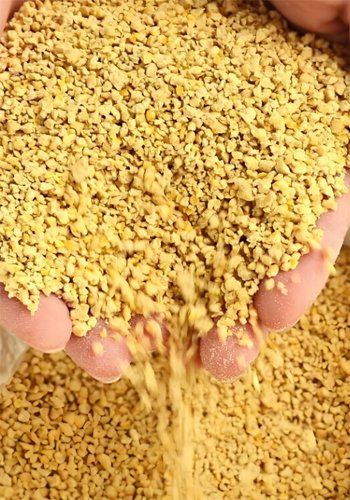
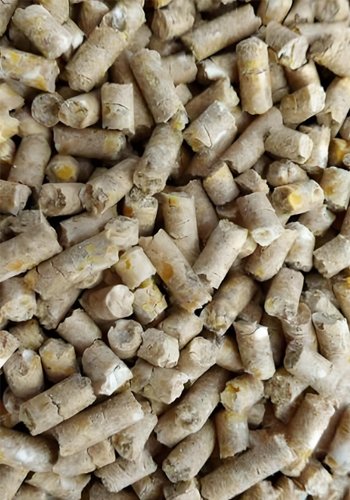
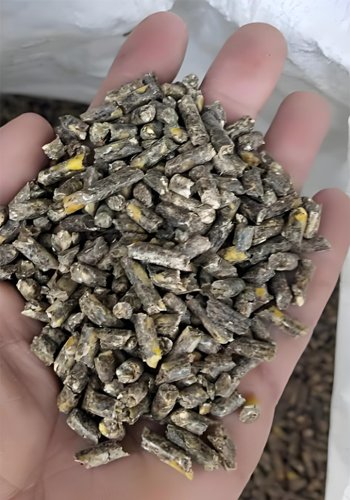
Feed pellets are a smart way to feed poultry. They offer benefits over loose feed mixes. Farmers use them for better animal health and farm efficiency.
Making good feed pellets needs the right stuff. You need ingredients that give geese energy. What kind of materials are needed for goose food?
Goose feed pellets contain a mix of grains, proteins, vitamins, and minerals. Corn, wheat, and barley give energy. Soybean meal or fish meal provide protein for growth. Vitamins and minerals keep geese healthy. Fat gives extra energy. Binders help the pellet stay together.
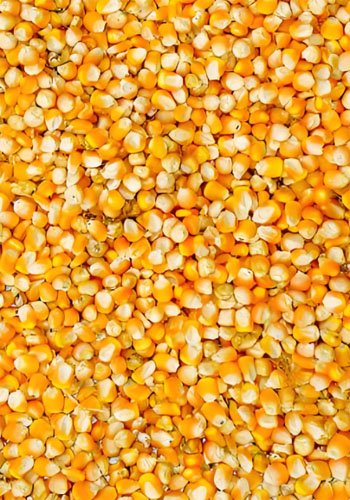
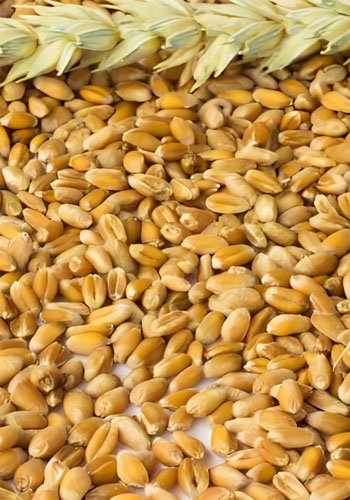
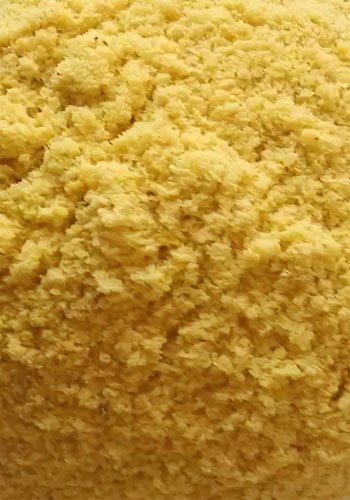
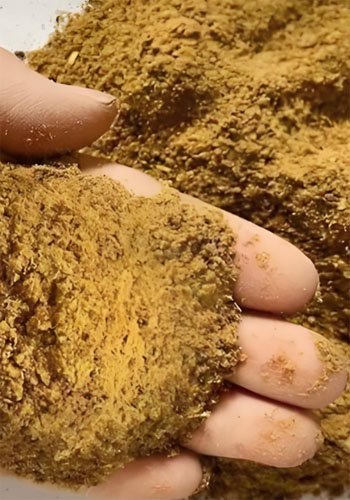
Making goose feed pellets requires careful selection of raw materials. These materials provide all needed nutrients. They support growth, health, and reproduction in geese. Different materials serve different purposes in the final pellet mix.
| Material Type | Example Ingredients | Primary Nutritional Role |
|---|---|---|
| Energy | Corn, Wheat | Carbohydrates, Energy |
| Protein | Soybean Meal, Fish Meal | Amino Acids, Growth |
| Fat | Vegetable Oil | Energy Density |
| Vitamins/Minerals | Mineral Mix, Vitamins | Health, Metabolism |
| Binder | Molasses | Pellet Stability |
The exact recipe changes. It depends on the goose’s age and purpose. It also depends on local ingredient costs. I help customers understand what ingredients their machines can process. My machines handle grains, meals, and other materials. This prepares them for pellet making.
Making feed pellets is a process. It changes loose powder into hard pieces. How does this change happen from raw stuff?
Producing goose feed pellets involves grinding raw materials first. Then workers mix everything well. After mixing, the material goes into a pellet mill. The mill presses the mix through a die. This forms small pellets. Workers then cool and package the pellets.
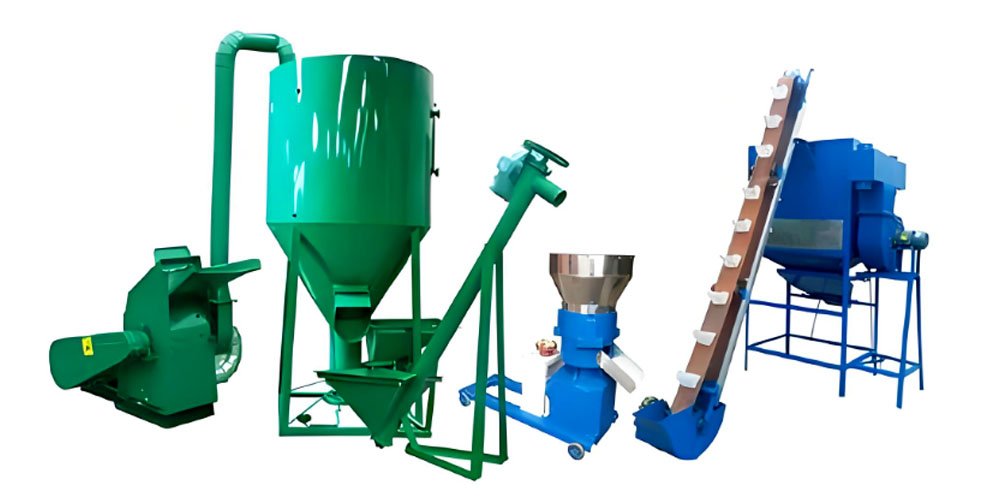
Producing feed pellets needs several steps. Each step is important. It ensures the final pellet is good quality. The right machines make this process smooth and efficient. My factory builds the machines needed for each step.
Each machine in the line works together. My factory designs full production lines. We make the crushers, mixers, and especially the pellet machines. These machines are strong and make good pellets. I help farmers and businesses set up their own pellet factory.
Farmers feed geese to raise them well. They want the best growth and health. How do feed pellets help farmers do this better?
Feed pellets offer many advantages for farmers raising geese. They provide complete nutrition in one piece, preventing selective eating. Pellets reduce feed waste because they are dense and easy for geese to pick up. This leads to better feed conversion and lower costs for the farmer.
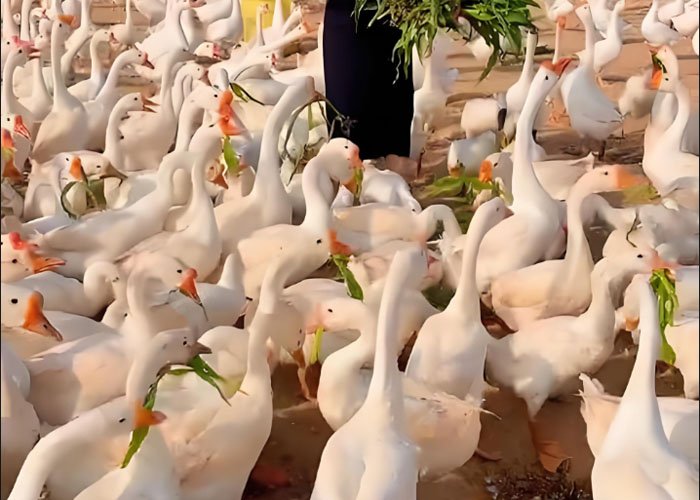
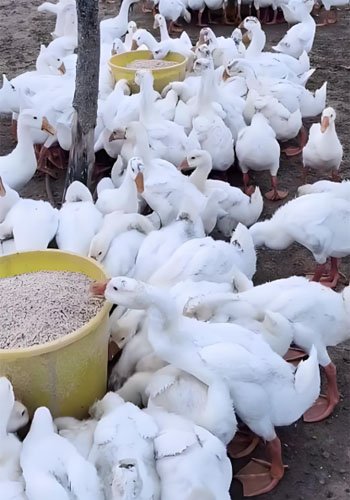
Using feed pellets changes how geese eat. It changes how farmers manage feeding. This change brings several benefits. These benefits save time and money. They also lead to healthier birds.
Farmers see real value in pellets. They get healthier geese and save on costs. My machines help them make these valuable pellets right on their farm or for distribution. This puts the power of pellet production in their hands.
To make feed pellets, you need special equipment. It is not something you can do by hand easily. What kind of machines are used for this job?
Making goose feed pellets requires a series of machines that process raw materials into finished pellets. Key machines include crushers or hammer mills for grinding, feed mixers for blending, and feed pellet mills which are the core machines that form the pellets. Coolers and screeners finish the product.


Building a feed pellet production line needs several types of machinery. Each machine does a specific job in the process. My company, Fude, specializes in building these types of machines. We provide the full range needed for making animal feed pellets, including those for geese.
| Machine Type | Function in Process | Fude Product Relevance | Common Models |
|---|---|---|---|
| Grinding | Particle size reduction | Yes, Crusher/Hammer Mill | Hammer Mill, Wood Crusher (for some fiber) |
| Mixing | Ingredient blending | Yes, Feed Mixer | Horizontal Mixer |
| Pelletizing | Pellet formation | Yes, Pellet Mill | Ring Die Pellet Mill, Flat Die Pellet Mill |
| Cooling | Heat and moisture removal | Yes, Cooler | Counterflow Cooler |
| Screening | Fines/dust separation | Yes, Screen | Vibrating Screen |
We provide these machines to customers globally. Farmers, feed mills, and businesses use ours equipment. They make high-quality feed pellets. Zhengzhou Fude Machinery can offer single machines or complete production lines. This depends on the customer’s need and scale. My machines are built strong for long use.
Goose feed pellets give balanced nutrition efficiently. They reduce waste and improve goose health. Making your own pellets gives control and saves money. We provide the reliable machines needed to make these pellets.
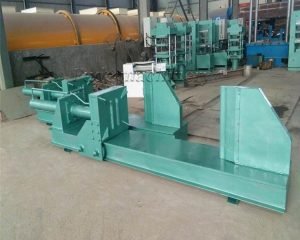
Its working steps include positioning, splitting, and resetting, which have a wide range of application fields and significant characteristics
View details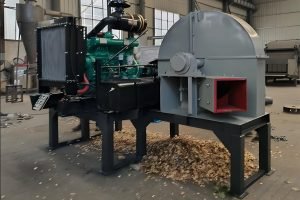
Choosing the right wood chipper seems simple, until you face branches thicker than expected. Pick one too small, and work grinds to a halt. Pick one too big, and you waste money. Let's clear up the confusion. There's no single answer; capacity ...
View details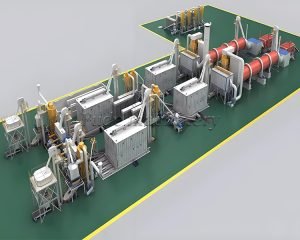
It is mainly used to convert various waste materials into efficient and environmentally friendly fuel particles
View details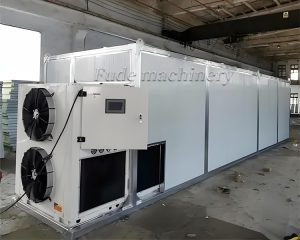
Wood drying oven has been widely used in multiple industries due to its wide applicability and significant advantages.
View details
HelloPlease log in