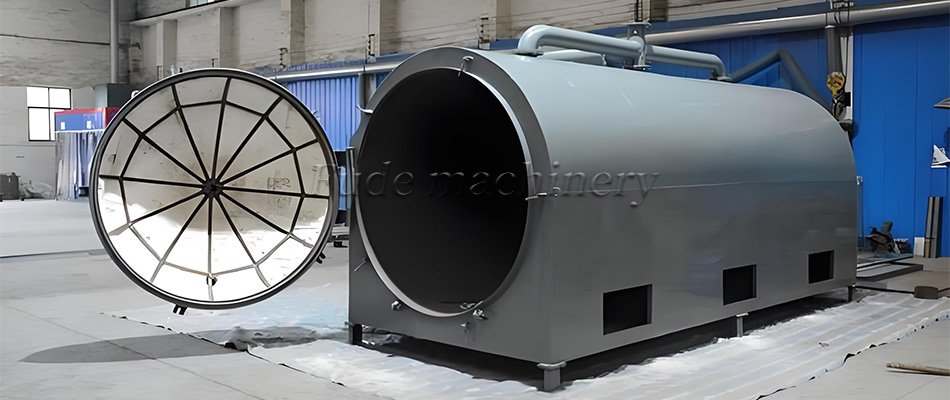
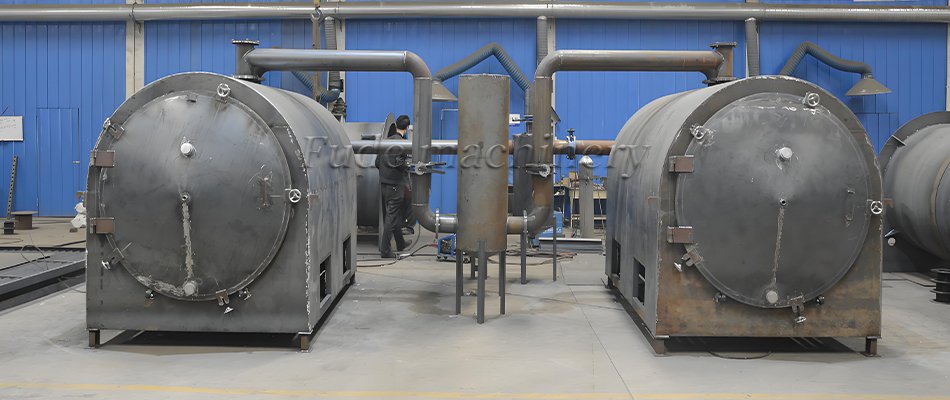
In the world of charcoal production, efficiency, quality, and environmental sustainability are key factors that determine the success of a business. Horizontal carbonization furnaces have emerged as a game-changer in this industry, offering a more advanced and effective method of producing charcoal. With their innovative design and superior performance, these furnaces are revolutionizing the way charcoal is manufactured.
Increased Efficiency and Productivity
One of the main advantages of horizontal carbonization furnaces is their ability to increase efficiency and productivity significantly in the charcoal production process. Unlike traditional vertical furnaces, which have limited capacity and require constant monitoring and maintenance, horizontal furnaces are able to handle larger quantities of raw materials and operate continuously with minimal supervision.
The horizontal design of these furnaces allows for a more uniform distribution of heat, resulting in a more consistent and efficient carbonization process. This means that charcoal can be produced at a faster rate, leading to higher output and increased profitability for businesses. Additionally, the automated systems and controls of horizontal furnaces help streamline the production process, reducing the need for manual labor and oversight.
Improved Quality and Consistency
Another key benefit of horizontal carbonization furnaces is their ability to produce charcoal of superior quality and consistency. The controlled heating process and even distribution of heat within the furnace result in a more thorough carbonization of the raw materials, leading to a higher quality end product. This means that businesses can deliver charcoal that meets the strictest quality standards and customer expectations.
The consistent heating and carbonization process of horizontal furnaces also ensures that each batch of charcoal is uniform in terms of quality and properties. This is crucial for businesses that rely on consistent product specifications for their customers. With horizontal furnaces, producers can have confidence in the quality and reliability of their charcoal, leading to increased customer satisfaction and loyalty.
Environmental Sustainability
In addition to their efficiency and quality advantages, horizontal carbonization furnaces also offer environmental benefits that make them a more sustainable choice for charcoal production. The advanced design of these furnaces allows for better control of the carbonization process, resulting in reduced emissions and waste compared to traditional methods.
By optimizing the combustion process and minimizing heat loss, horizontal furnaces help reduce the carbon footprint of charcoal production. This is crucial for businesses looking to improve their environmental impact and meet sustainability goals. Additionally, the use of automated systems in horizontal furnaces helps minimize energy consumption and resource waste, further enhancing their eco-friendly credentials.
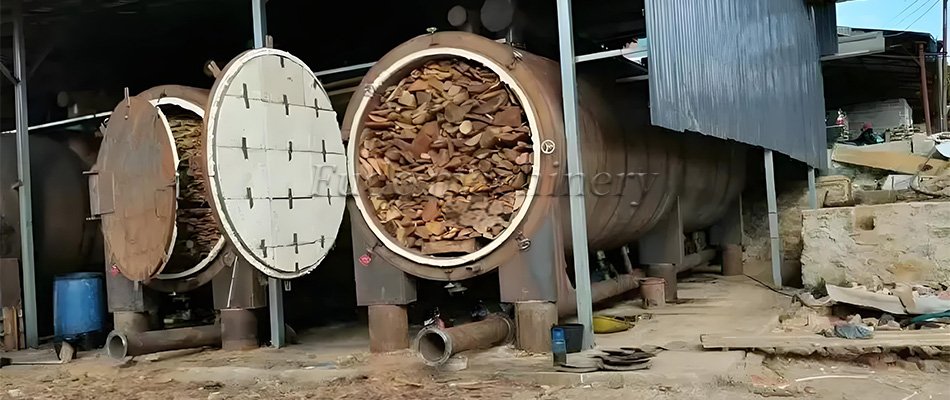
The working principle of carbonization furnace is: put organic materials (such as wood, bamboo, rice husk, etc.) into the furnace, provide heat energy by burning fire or electric heating, firstly, dry the organic materials at relatively low temperature to reduce the moisture content, and then pyrolyze them under high temperature and lack of oxygen, the decomposition of the organic materials produces gases, liquid products and solid charcoal, and the combustible gases produced in the process of pyrolysis (such as carbon monoxide, methane, etc.) can be recovered, purified and recycled to burn for heat. The combustible gases (such as carbon monoxide, methane, etc.) produced in the process of pyrolysis can be recovered, purified and then circulated for combustion for heat supply. The gases and liquid products after pyrolysis are converted into solid products after cooling, and solid charcoal is obtained in the end. At the same time, some of the charcoal furnaces are also equipped with flue gas recycling devices, so that the flue gas can be purified for dust-free and smoke-free emission, and the recovered flue gas can be used for heating, cooking or drying machines, etc.
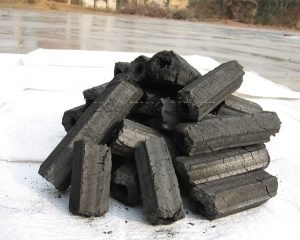
Charcoal Furnace has the features of high efficiency and energy saving, environmental protection and non-pollution, high quality of charcoal, easy operation, etc. Through pyrolysis technology, the furnace converts organic materials into charcoal, and the combustible gas produced in the process can be recycled to reduce energy consumption, and at the same time, it is equipped with flue gas purification device to realize dust-free and smokeless emission; it has a wide range of uses, and it can be used for the production of charcoal, activated charcoal and other charcoal products, and the treatment of agricultural and forestry wastes (e.g., straw, sawdust) to realize the utilization of resources. It is widely used in the production of charcoal products such as wood charcoal and activated charcoal, the treatment of agricultural and forestry waste (such as straw and sawdust) to achieve resource utilization, and plays a key role in the development of carbon fibers, electrode charcoal and other special charcoal.
Horizontal carbonization furnaces are transforming the charcoal production industry with their advanced technology, superior performance, and environmental sustainability. These furnaces offer increased efficiency, improved quality, and reduced environmental impact, making them the ideal choice for businesses looking to elevate their production capabilities and stay ahead in a competitive market. Embracing the power of horizontal furnaces is a strategic investment that can drive success and growth for charcoal producers seeking to innovate and thrive in the industry. If you would like to learn more about charcoal production machines and charcoal production lines, Please contact us Fude Machinery!
Charcoal extruder machines have gained significant popularity in the biomass briquette industry due to their efficiency and versatility. Here, we explore the profitability and business opportunities associated with utilizing charcoal extruder mac...
Rice husks, often seen as waste from the agricultural industry, are being increasingly recognized for their potential as a valuable resource. With the development of rice husk production lines, these byproducts are being transformed into high-qua...
There are many coconut shell charcoal products on the market, but the quality varies greatly, this is because the charcoal processors have not mastered the method of processing high-quality coconut charcoal briquettes at the time of production. I...
 Fude Machinery-wood crusher manufacturer

HelloPlease log in