Make Wood Pellets in A Plywood Factory
It is only in the last few years that, due to the economics of rapidly rising fuel and wood costs, industry in thedeveloped countries have invested in ways and means to extract the maximum quantity of recoverable woodduring logging operations. Although this document draws attention mainly to the energy value of residuesproduced during the manufacturing operations, consideration should be given to the potential industrial use ofresidues left in the forest.
Alternative Uses of Plywood Residues:
Residues derived from the forest industries normally do have alternative outlets, as chips for pulp manufacture.raw materials for particleboard and fiber board manufacture and as fuelwood and building materials to localinhabitants – all dependent on market location and demand.
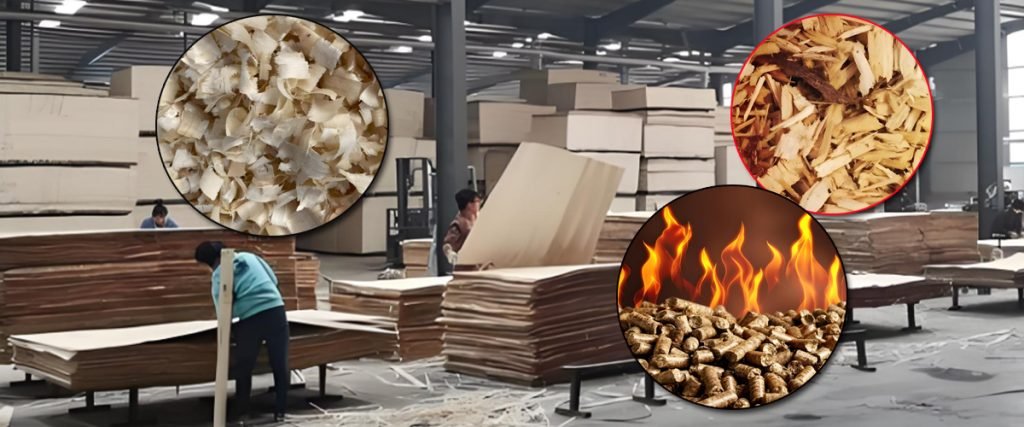
Let us take plywood factory as an example to illustrate how to make wood residues into,fuel pellets
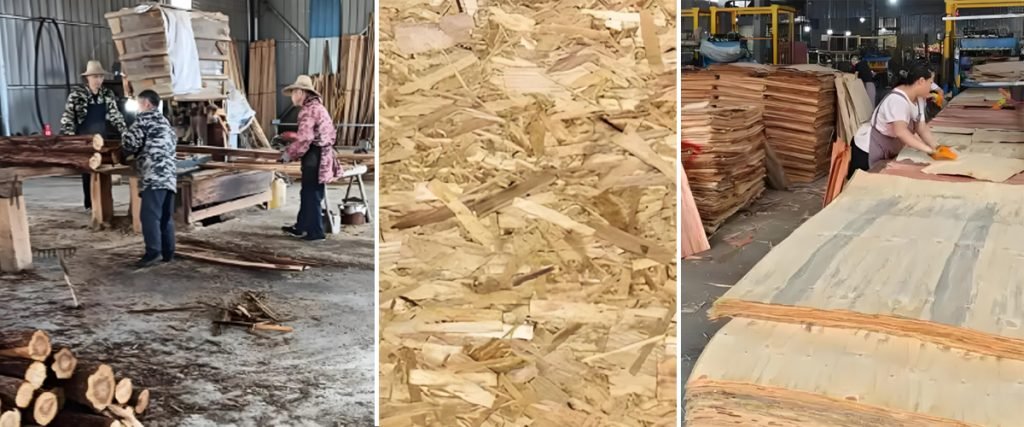
Plywood Production Flowchartlog:
sawing-the cut log stewing- the cut log peeling- veneer rotary-cutting- veneer drying- veneer sortinggelatinizing and assembling- pre-pressing-hot-pressing-edge cutting- sanding- testing and gradingpacking and storing
Fuel Pellet Making Procedure
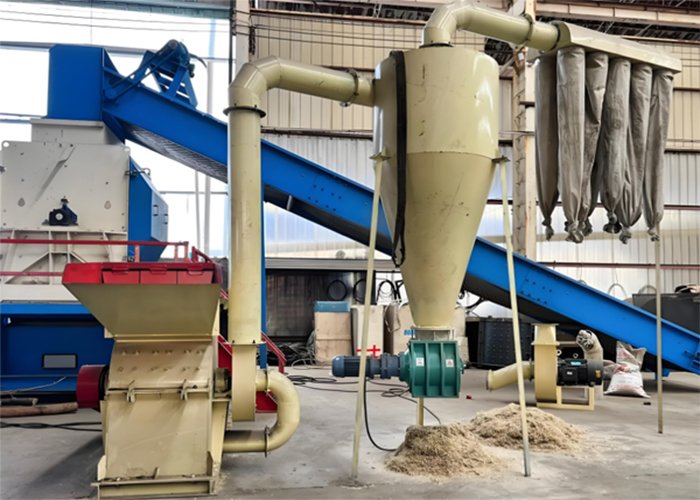
- Crush the scrap materials by crushing machine.
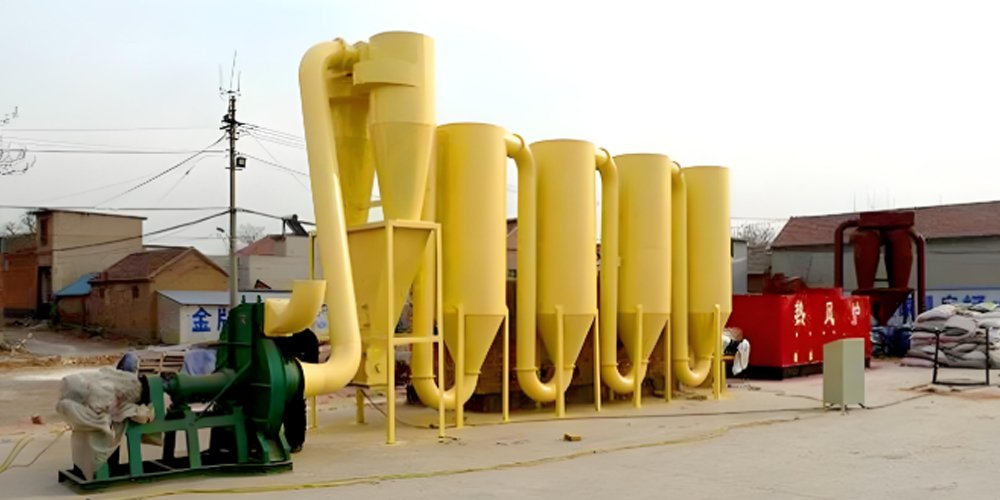
- Dry the crushed materials by the drying line.
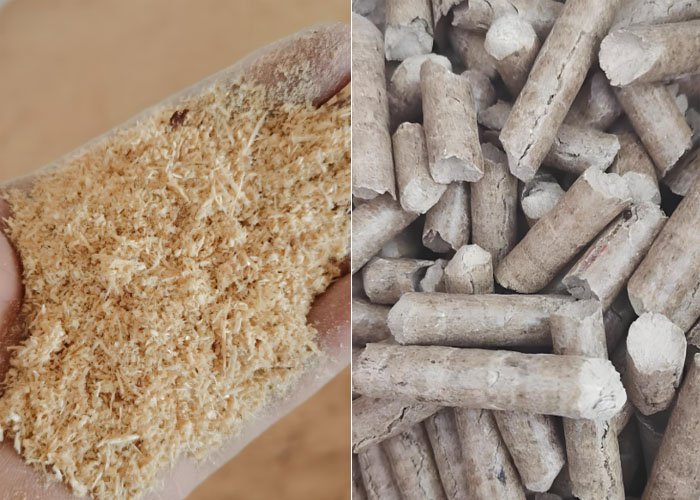
- Produce pellets by pellet machine after drying.
- Cool the pellet by cooling equipment.
- Pack the dried pellet by package machine.
- Bin the packed pellet to place in the storehouse.
List of Machines Used for Biomass Particle Factory in Plywood Factory
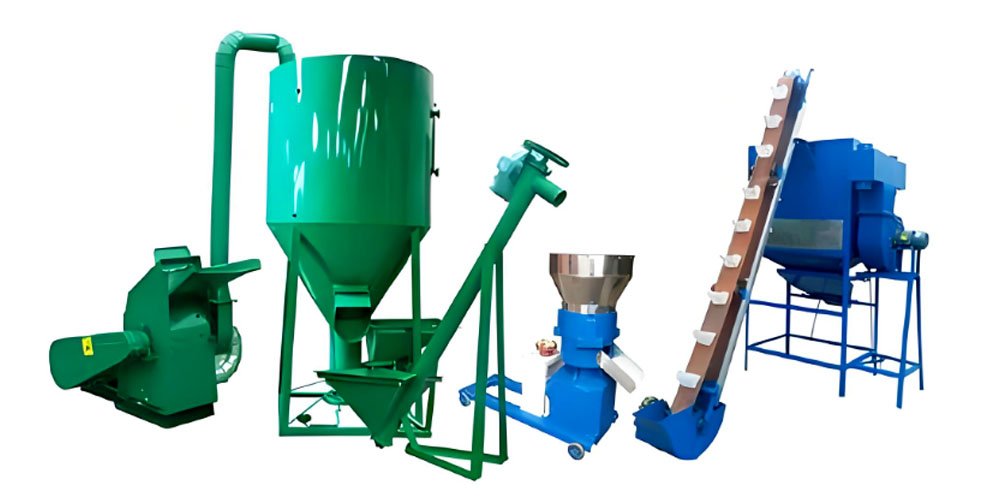
The bio-pellet production line includes crusher (1 set), rotary dryer (1 set), smoke flter (1 set), pellet machine (2sets), cooling machine (1 set), delivery equipment (4 sets), package machine (1 unit), concentrated electriccontrol cabinet (1 set).
Plywood Residue Pelet Project Introduction
Plywood waste particles are biological particles mainly composed of wood chips and waste plywood scraps through a granulation mechanism. The complete production process includes slicing, drying, granulation, cooling, etc.
Preparation of Make Plywood Residue into Fuel Pellets including Collection and handling–Storage-Size reduction and screening –Fuel drying–Pelletizing.
Collection and HandlingIn
small-scale plywood factory in developing countries, the collection and handling of waste is predominantlymanual, aided by a tractor or bulldozer to both convey and push the residues to a belt conveyor: system, thusavoiding the need for an enormous capital outlay and with maximized use of available labor. The manner inwhich mill residues are best removed and handled is again a matter of economics, availability of labor and thequantity and type of waste produced and is normally undertaken by a combination of belt, and pneumaticconveyors, front-arid loaders and trucks, with manual gathering predominating in mills with an input rapacity of20 000 m3/A and below.
Storage
Outdoor storage, in piles on prepared concrete or gravel pads to aid drainage and reduce the entrainment of contraries, is the least expensive means of maintaining stocks, This form of storage is generally suited for stocksof 20 to 3o day’s capacity of green forest residues, bark, moist wood slabs or chips. However, unless adequatepreparations and precautions are taken, deterioration and fires from overheating and biological action can takeplace, Hence, residues should be monitored and those that do not benefit from drying with time should have afast turnaround and be used on a first-in-first-out basis.
In instances where a large variety of residue sizes are involved, it is always advisable to segregate according tosize, either before or after storage, and, in most cases, it is preferable to reduce the larger-sized waste in hoggersor chippers at an early stage in order to facilitate handling. Mixing of wet and dry waste should be avoided, assuch a practice will reduce the efficiency of combustion; it is far better to have dual storage and feed systems inorder to segregate the feed to the burners according to moisture content.
Size Reduction
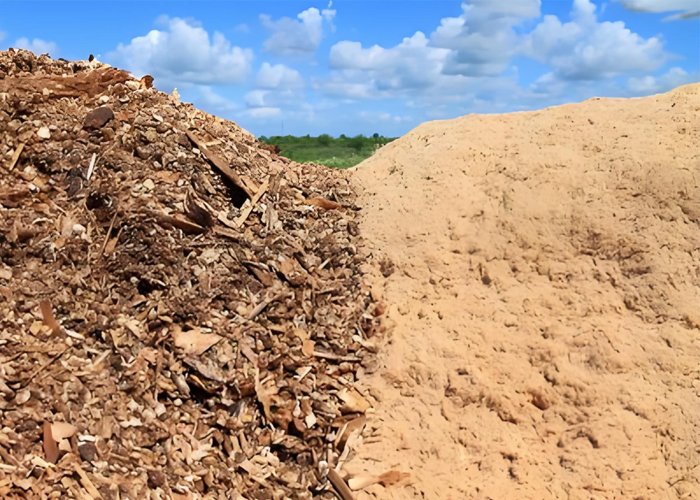
Whereas sawdust, planer shavings and sander dust may be burnt directly without the need for furtherprocessing, other forms of wood waste have to be reduced in size in order to facilitate handling, storage andmetering to the combustion chamber. By achieving a uniform particle size, combustion effciency will beimproved due to the uniform and controlled fuel feed rate and the ability to regulate the air supply, Additionally.in the case of fuels with a high moisture content, the reduction process exposes a greater surface area of theparticle to the heated gases, thus releasing the moisture more rapidly, thereby enhancing its heating value.Size reduction may be carried out in several stages in a wood chipper or wood hammer mill.
Fuel Drying
As previously mentioned, combustion effciency, boiler control and the operator’s ability to provide a quickresponse to changes in steam demand become seriously impaired by a combination of high and fluctuatingmoisture content of incoming fuel. This situation may be improved by drying the fuel, which will also effectivelyincrease boiler capacity and lead to better emission control.The moisture in residues may be reduced either by rotary drum dryer, air-drying or the use of flash pipedryers, or a combination of all three.
Pelletizing
A growing awareness has developed in recent years in the use of compacted wood waste, in the form ofbriquettes, pellets or “logs”, as a domestic or industrial fuel.
The production of pellets involves the reduction of wood waste to the size of sawdust, which is then dried toapproximately 12 percent , before being extruded in specially adapted agricultural pellet mills to form pellets ofsome 6 to 12 mm diameter with a density in the range of 950 to 1 300 kg/mg . Drying of the furnish prior toextrusion is usually undertaken in rotating drum dryers, fired by approximately 15 to 20 percent of the plant’spellet production.
Pelleting produces a product with excellent handling and storage characteristics, with four times the energyconcentration of wood fuel, thus greatly reducing transport costs and improving boiler efficiency, while iftransportation distances of the fuel exceed 250 km from the source of the raw material, it will greatly increasethe investment capital.
The development of pellet machines
The continuous development of science and technology has driven further improvement in the research of granulators. Nowadays, it is the era of pellet production lines that integrate crushing, cooling, drying, granulation, and packaging processes. The production line is flexible and convenient to operate, and can efficiently complete the work under energy-saving conditions, enabling plywood manufacturers to manufacture particles by recycling waste plywood. Plywood manufacturers can easily participate in particle production without affecting plywood production, improve waste wood recycling rates, and achieve re creation of profits.
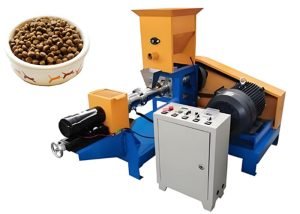
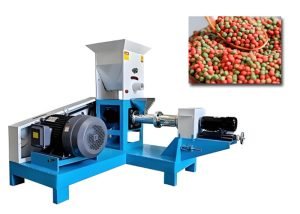
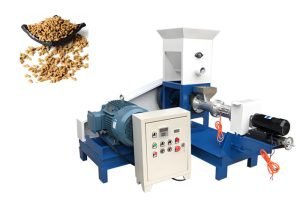
The biomass pellet machine produced by Zhengzhou Fude Machinery has significant advantages in high efficiency, energy saving, environmental protection, wide range of raw materials, easy operation, perfect after-sales service, advanced technology, significant economic benefits, and customized services, making it an ideal choice for purchasing biomass pellet machines.
 Fude Machinery-wood crusher manufacturer
HelloPlease log in