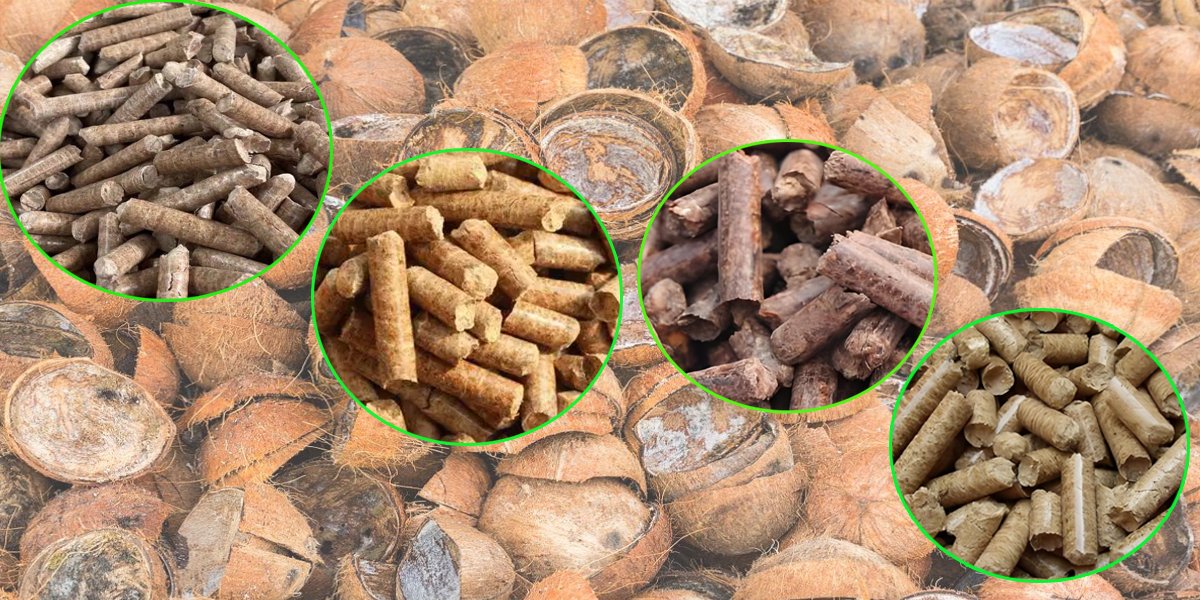
Building a coconut shell pellet plant is an excellent way to turn agricultural waste into a high-value, renewable energy source. The process involves several key stages. You must crush the hard shells, dry the material, press it into pellets, and then cool them for stability.
At FUDE Machinery, we specialize in this technology. We have helped many clients worldwide set up profitable plants to produce high-density coconut shell pellets. This guide will walk you through exactly how it is done, based on our manufacturing experience.
Coconut shells are a superior raw material for biomass pellets due to their high heating value and low ash content. Unlike many other agricultural residues, coconut shells are naturally dense and woody. This gives them excellent energy properties. When converted into pellets, they provide a consistent and clean-burning fuel. Their energy output is often compared to coal, making them a fantastic renewable alternative for industrial applications. As a source, they are abundant in tropical regions where coconuts are grown, turning a widespread waste product into a source of revenue.
At our company, FUDE Machinery, we have tested many types of biomass. Coconut shells consistently perform well. The pellets you produce will have a high calorific value, typically around 4,500-4,800 kcal/kg. Their ash content is also very low, usually under 1%. This is important for your end-users because low ash means less boiler maintenance and cleaner emissions. This makes coconut shell pellets a premium product sought after by industries looking to switch from fossil fuels. It is a smart choice for any entrepreneur in a coconut-producing region.
Coconut Shells vs. Other Biomass
Biomass Material
Calorific Value (kcal/kg)
Ash Content
What This Means For Your Business
Coconut Shell
4,500 – 4,800
<1%
Produces a high-energy, premium pellet that can compete with coal. It is very attractive to industrial buyers.
Wood Sawdust
4,000 – 4,400
<1.5%
Also a great material, but shells offer slightly higher energy density.
Rice Husk
3,000 – 3,500
15-20%
Much lower energy and very high ash, making it a lower-grade fuel suitable only for specific boiler types.
Straw
3,400 – 3,800
5-10%
A cheaper raw material, but results in pellets with lower energy and higher ash content.
Practical Tips and Suggestions
Check Your Source: Ensure your coconut shells are clean and free from sand, dirt, or coir (the hairy fibers). Contaminants can damage your equipment.
Start Small: If you are new to the business, you can begin with a smaller production line and scale up as you secure buyers.
Target Industrial Clients: The high energy value makes these pellets perfect for power plants, cement factories, and large-scale boilers.
What is the Process for Making Coconut Shell Pellets?
The process of turning raw coconut shells into finished pellets is straightforward and can be broken down into four main steps. Each stage requires specific machinery to ensure the final product is of high quality. We design and manufacture all the equipment needed for a complete pellet production line.
Step 1: Crushing the Hard Coconut Shells
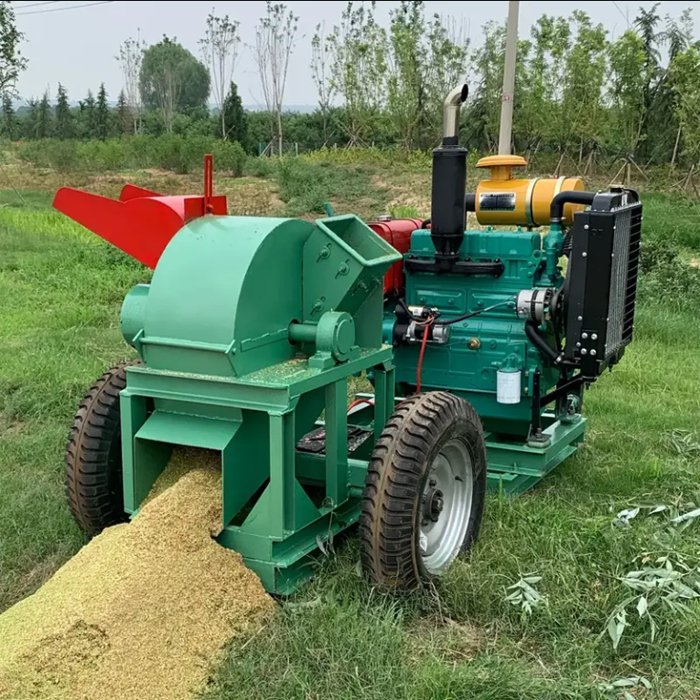
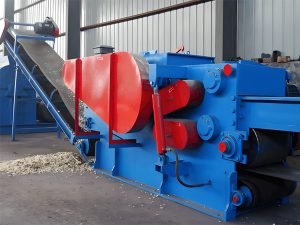
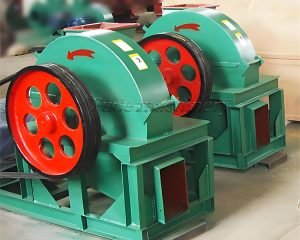
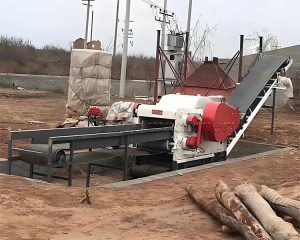
The first step is to crush the hard, bulky coconut shells into a uniform, small particle size. Coconut shells are tough and abrasive. You need a powerful machine to break them down effectively. A standard hammer mill may not be robust enough. We recommend using a heavy-duty wood crusher machinedesigned to handle hard materials. The goal is to reduce the shell pieces to a size of about 3-5mm. This small, consistent size is critical for the next stages of drying and pelletizing. If the pieces are too big, they will not dry evenly and will clog the pellet mill.
Step 2: Drying the Crushed Material
After crushing, you must dry the material to a precise moisture level of 12-15%. Fresh coconut shells can have a moisture content of 20-25% or even higher. This is far too wet for pelletizing. Trying to make pellets with wet material creates excess steam, which results in weak, cracked pellets that have no value. To solve this, you need an industrial rotary dryer. This machine tumbles the crushed shell material in a flow of hot air, gently and uniformly reducing the moisture content. Getting the moisture right is perhaps the most important technical step in the entire process.
Step 3: Pelletizing with a Pellet Mill
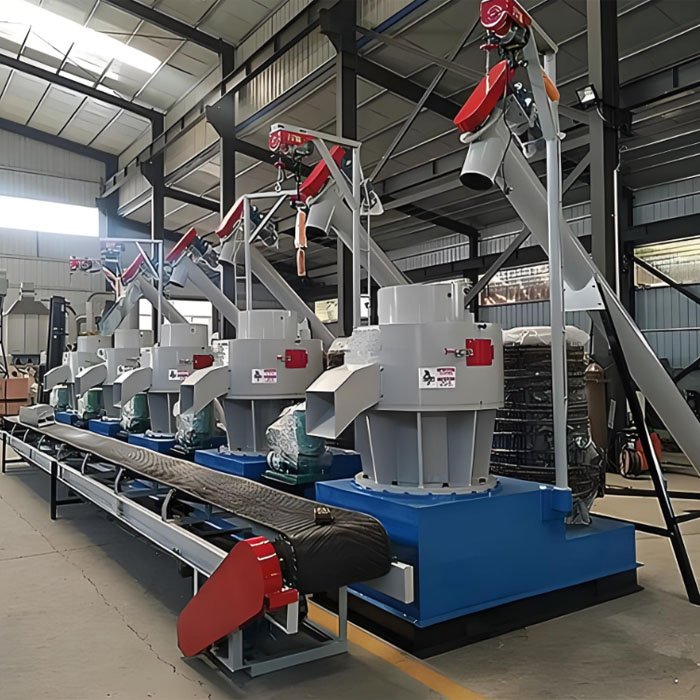
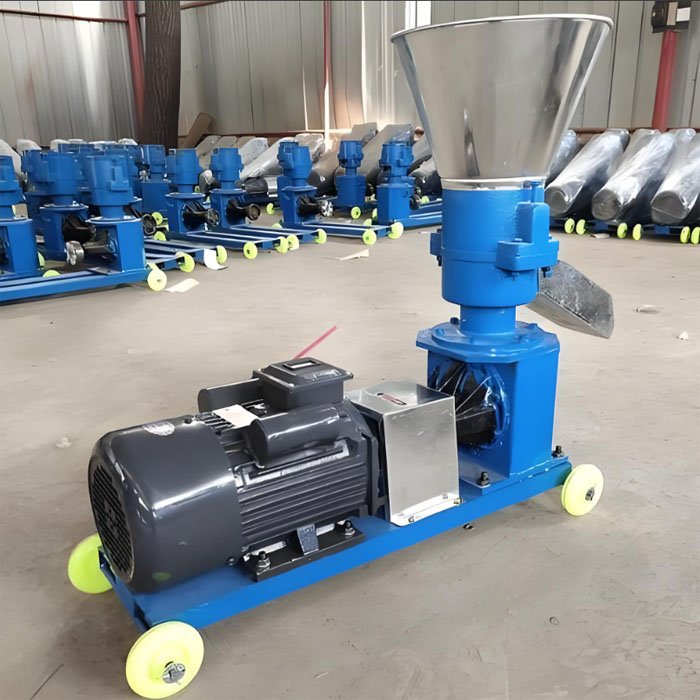
The dried material is now fed into a pellet mill, which uses pressure and heat to form the pellets. We recommend a ring die pellet mill for coconut shells because of their hardness. A ring die machine can apply more pressure than a flat die mill, which is necessary to properly compress the tough fibers. Inside the mill, rollers press the material through holes in a rotating ring die. The intense pressure creates friction, which heats the material. This heat releases the natural lignin in the coconut shell, which acts as a binder to hold the pellet together. A cutter then slices the extruded material into uniform pellets.
Step 4: Cooling and Screening the Pellets
The final step is to cool the hot pellets and screen out any dust. Pellets come out of the mill very hot, usually around 80-90°C, and are still soft. They must be cooled to become hard and durable. A counterflow cooler uses air to bring their temperature down to just above ambient. This hardens the lignin binder and makes the pellets stable for storage and transport. After cooling, the pellets pass over a vibrating screen. This separates any dust or broken pieces from the finished product. This dust is not wasted; it is collected and fed back into the pellet mill, making your coconut shell pellet plant very efficient.
Wood crusher
Large particle machine
Small particle machine
How to Design Your Coconut Shell Pellet Plant?
Designing an efficient plant requires careful planning of capacity, workflow, and automation. Before you buy any equipment, you need to answer a few questions. How many tons of coconut shells can you source per day? How many tons of pellets do you want to produce per hour? Your answers will determine the size and specifications of each machine in your line. Our engineers at FUDE Machinery work directly with you to design a layout that makes sense for your space and production goals. A good layout minimizes material handling and creates a smooth flow from raw material input to final product packaging.
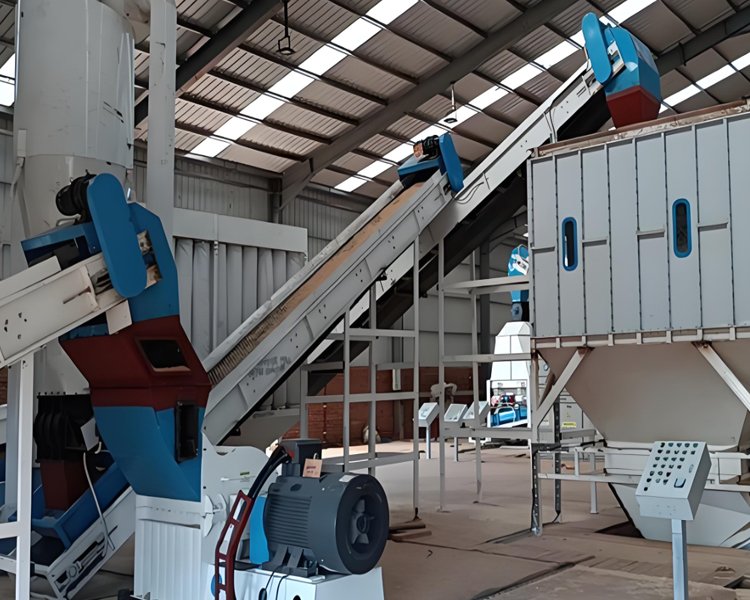
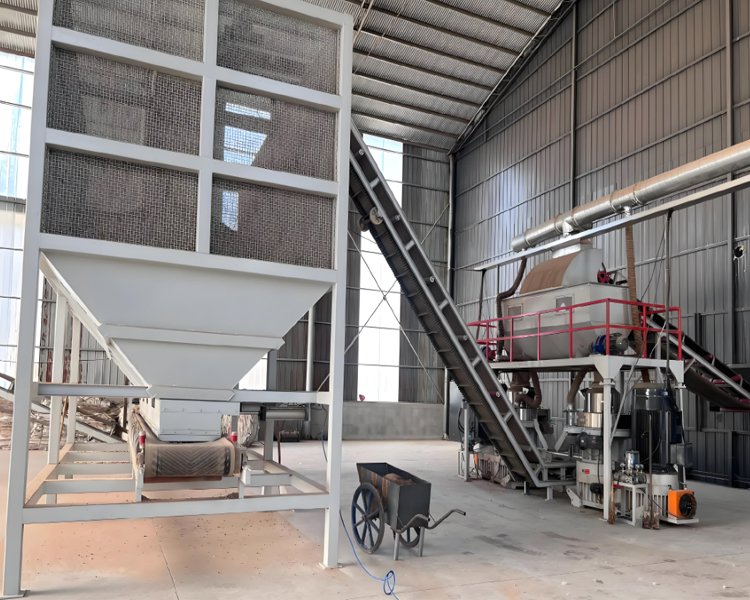
For a commercial operation, you should plan for a complete line. We can provide a turnkey solution that includes all the necessary components: the crusher, dryer, pellet mill, cooler, screener, and all the connecting conveyors and dust collection systems. Dust control is especially important when processing coconut shells. We recommend including a bag filter or cyclone separator to maintain a clean and safe working environment. Investing in a well-designed, complete production line from a single supplier like FUDE Machinery ensures that all the components work together seamlessly. This reduces installation headaches and improves overall efficiency.
Real-World Case:
A customer in the Philippines wanted to convert waste from their coconut processing business. They sourced 2 tons of shells per hour. We designed a complete 1-ton-per-hour pellet plant for them. The line included our heavy-duty crusher, a rotary dryer, a ring die pellet mill, and a cooling/packing system. Within six months, they were selling premium pellets to a local cement factory, creating a new, highly profitable revenue stream from what was previously a disposal problem.
2025 Market Trends for Coconut Shell Pellets
The global demand for high-quality biomass fuel is rising, and coconut shell pellets are perfectly positioned to meet this demand. As of 2025, many countries are pushing hard to reduce their carbon footprint. Governments are offering incentives for industries to switch from coal to renewable fuels. Coconut shell pellets, with their coal-like energy content and low emissions, are an ideal replacement. We see major growth in their use for co-firing in power plants, where they are mixed with coal to lower overall emissions.
Another growing market is the production of activated carbon. Coconut shells are a preferred raw material for high-grade activated carbon used in water and air purification filters. Before carbonization, the shells are often pelletized to create a uniform feedstock. This represents a high-value market beyond just fuel. The trend is clear: the market for processed coconut shells is expanding and diversifying, offering strong business opportunities.
Frequently Asked Questions
Question 1: Are coconut shell pellets profitable? Yes, they can be very profitable. The key factors are your raw material cost (which can be very low if it’s waste), your operational efficiency, and the local market price for biomass fuel. With an efficient plant, the profit margin is often very attractive.
Question 2: Do I need a special machine to crush coconut shells? Yes, you need a robust crusher. Coconut shells are much harder than wood or straw. We recommend a heavy-duty hammer mill or a comprehensive crusher designed for hard, woody materials to ensure reliability and prevent frequent breakdowns.
Question 3: What is the main use for coconut shell pellets? The primary use is as an industrial fuel. They are burned in boilers at power plants, cement factories, and other large manufacturing facilities as a clean, renewable alternative to coal or fuel oil.
Question 4: Can I build a small-scale plant at my farm? Absolutely. We can design smaller, simplified production lines with capacities starting from 200-300 kg per hour. This is a great way for smaller coconut farms or processors to create an additional source of income from their waste shells.
Summary and Recommendations
Building a coconut shell pellet plant is a proven business model for valorizing agricultural waste. Success depends on following a clear process: use a powerful crusher for the hard shells, dry the material to 12-15% moisture, use a high-pressure ring die pellet mill, and finish by cooling and screening the pellets. Each step is essential for producing the dense, durable, high-energy pellets that industrial buyers want.
If you are located in a region with a steady supply of coconut shells, this is an opportunity you should seriously consider. Your next step should be to evaluate your specific situation. Estimate your available raw material volume and research your local energy market. Then, contact an experienced equipment manufacturer to help you design the right system.
Contact us for a free project consultation and a detailed quote for your own coconut shell pellet plant.
Piles of waste wood piling up? Branches, offcuts, old pallets – they take up space, cost a fortune to haul away, and are a fire hazard. This waste is a major headache for many businesses. A wood crusher is the core engine turning this problem w...
Wood chipper is a key equipment for wood processing and treatment to enhance the value, as it can convert logs, templates, branches, etc. into uniform wood chips. This reduces volume, lowers transportation costs, enables waste utilization (e.g. f...
 Fude Machinery-wood crusher manufacturer
HelloPlease log in