 Fude Machinery-wood crusher manufacturer
What is the working principle of a charcoal machine
664It mainly revolves around the process of converting various biomass fiber containing raw materials into charcoal
View detailsSearch the whole station Products
Wood powdered activated carbon and coconut shell charcoal are two types of activated carbon that are often used in daily life. Both have the characteristics of relatively large areas and developed void structures. What is the difference between these two types of carbon? Coconut shell charcoal is usually made by a continuous carbonization furnace, and activated carbon is only after activation treatment.
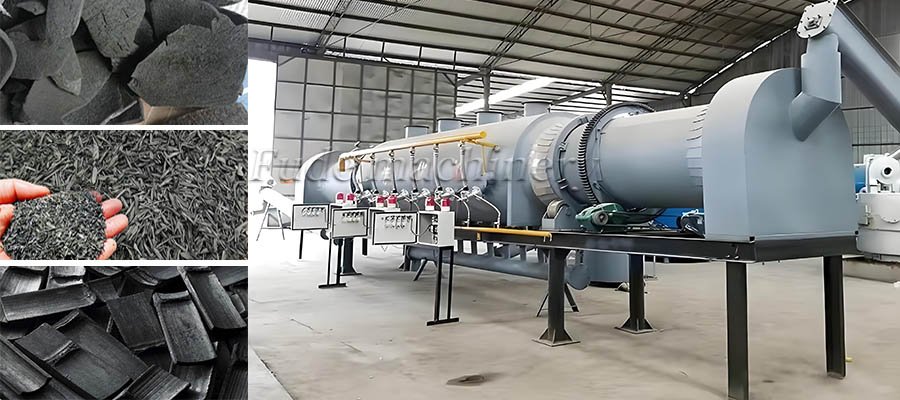
coconut shell carbon
Powdered activated carbon
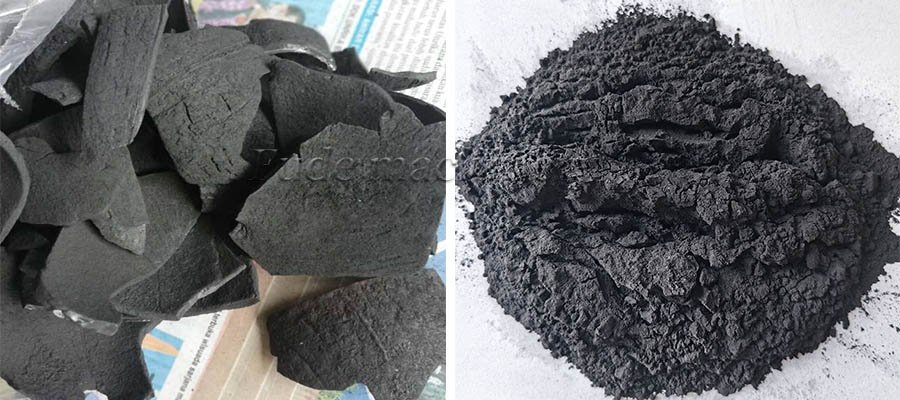
The fineness of powdered activated carbon is usually 100 mesh, 150 mesh, 200 mesh, 325 mesh. And it is a fine powder.
The coconut shell charcoal usually has a fineness of 4-8 mesh, 5-10 mesh, 6-12 mesh, 8-16 mesh, 8-30, 10-24 mesh, 20-40, mesh, 30-60 mesh, 40 Irregular granular shape of -60 mesh and 60-80 mesh.
The iodine value of wood powdered activated carbon can reach up to 800 iodine. The iodine value of coconut shell charcoal can reach 1200 iodine. The iodine value of charcoal represents the adsorption capacity of its activated carbon. The higher the iodine value, the more expensive the activated carbon.
The main use of wood powdered activated carbon is water purification and decolorization in the food, beverage, printing, and dyeing industries. This activated carbon can also be added with a binder and processed into a filter element used in water treatment equipment or a filter screen in air purification equipment.
The main purpose of coconut shell charcoal is as a carrier for gold extraction and solvent recovery. In addition, because of its strong adsorption, coconut shell charcoal can also be used as a gas mask, cigarette filter, refrigerator deodorant, and automobile exhaust gas treatment device.
Coconut shell charcoal is used for liquid-phase adsorption and can be used for the dechlorination of drinking water. Coconut shell charcoal has relatively many uses, while the use of wood powdered activated carbon is more targeted.
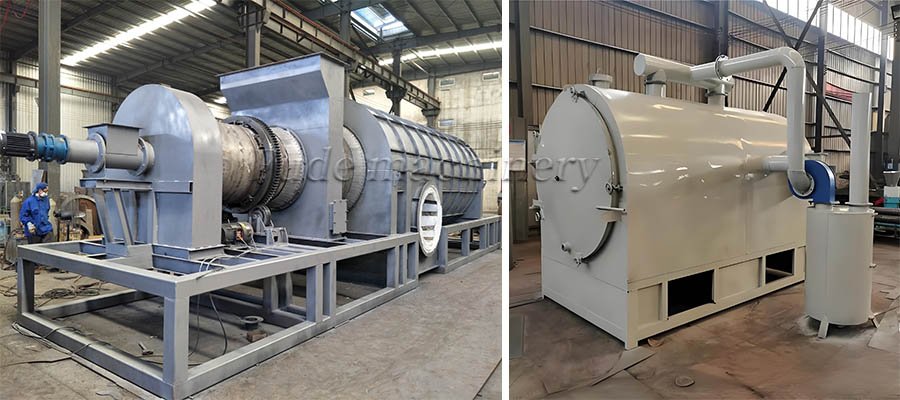
At present, most of the coconut shell charcoal on the market is processed by carbonization equipment. The most efficient equipment for producing coconut shell charcoal is the continuous carbonization furnace, which can produce up to 2t/h per hour. The continuous carbonization furnace is a rotating drum structure, which can realize the continuous production of coconut shell charcoal.
The production of powdered activated carbon is usually based on wood chips, fruit shells, coal and other raw materials, first after screening, drying and other pre-treatment, and then through the horizontal carbonization furnace so that the raw materials in the high temperature and oxygen-deprived conditions pyrolysis to form a preliminary pore structure, and then physical activation or chemical activation method, activation, recycling, rinsing and removal of impurities, and then centrifugal dewatering, drying, and finally through the milling equipment will be grinding the material into powder form, after packaging to get the Finished powdered activated carbon.
Our Fude Machinery production equipment includes: sawdust machine, branch crusher ,forced feed crusher, wood crusher, peeling machine, charcoal machine, charcoal machine production line, biomass pellet mill The company will continue to adhere to the “quality first, customer first” business philosophy, to provide customers around the world to provide higher quality wood equipment solutions.
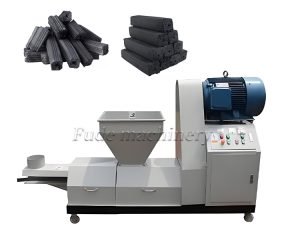
It mainly revolves around the process of converting various biomass fiber containing raw materials into charcoal
View details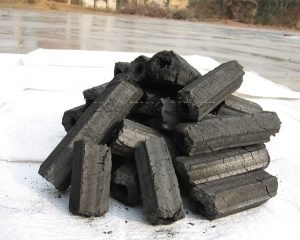
Charcoal extruder machines have gained significant popularity in the biomass briquette industry due to their efficiency and versatility. Here, we explore the profitability and business opportunities associated with utilizing charcoal extruder mac...
View details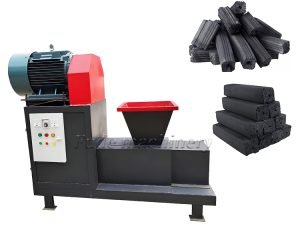
Customized charcoal rod making machine for Russian customers
View details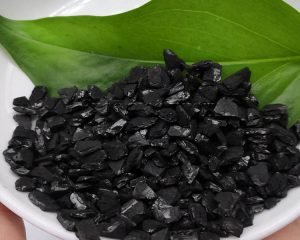
For most coconut shell charcoal producers, purchasing coconut shell raw materials is an important part of producing coconut shell charcoal. This is because the quality of coconut shell raw materials directly determines the price of coconut shell ...
View details
HelloPlease log in