 Fude Machinery-wood crusher manufacturer
What is the function of a carbonization furnace
443It is a key equipment for converting biomass raw materials into charcoal
View detailsSearch the whole station Products
Are you dealing with large amounts of wood or agricultural waste? Disposing of it is often costly and wasteful. A biomass pellet mill offers a smart solution, turning residues into valuable products.
A biomass pellet mill presses raw materials like wood chips, straw, sawdust, and stalks into dense pellets. These pellets serve mainly as clean fuel, but also as animal feed, bedding, or even fertilizer components, managing waste effectively.
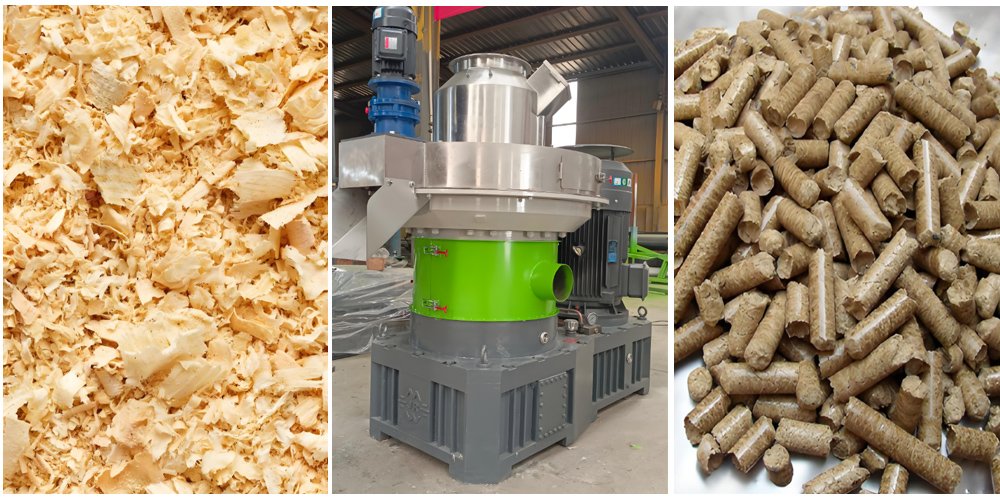
Now that you know the basics, you might wonder how these pellets work in different situations. As a manufacturer at Fude Machinery, we’ve seen these machines transform operations across various industries. Let’s explore the specific applications and benefits in more detail.
Worried about rising fuel costs and environmental impact? Fossil fuels are expensive and pollute. Biomass pellets provide a renewable, often cheaper, and cleaner energy source for heating and power.
Biomass pellets burn efficiently in specialized stoves, boilers, or furnaces. They release the thermal energy captured by plants during photosynthesis, providing a sustainable source of heat or electricity.

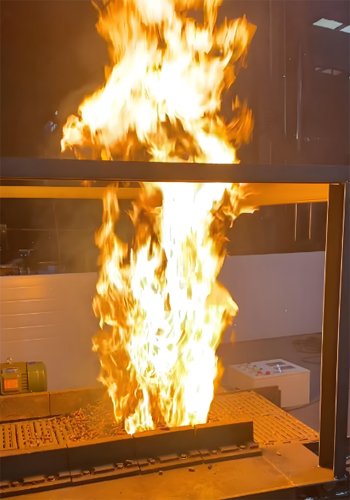
Using pellets for energy is straightforward. The key is converting biomass waste into a uniform, dense fuel source.
Pellets are fed automatically into a combustion chamber. Because they are dense and have low moisture content, they burn very consistently and efficiently. This controlled burning process maximizes heat output. The ash content is typically low compared to burning raw biomass, simplifying cleanup. Modern pellet stoves and boilers are designed for high efficiency and low emissions.
The energy value of pellets depends on the raw material, but it’s significantly concentrated compared to the original biomass. For example, wood pellets offer high energy density. This makes storage and transport easier than handling bulky raw materials. Compared to fossil fuels like oil or gas, pellets can offer significant cost savings, especially if you have access to cheap or free raw materials. They are also considered carbon-neutral because the CO2 released during burning is roughly equivalent to the CO2 absorbed by the plants during growth.
Pellet fuel is versatile. It’s used for:
At Fude Machinery, we provide pellet production lines that ensure consistent pellet quality for optimal energy output.
Need better feed solutions or bedding for your animals? Or perhaps looking for organic soil enhancers? Raw materials can be inconsistent or difficult to handle. Pellet mills transform these materials into practical, easy-to-use products for farms.
Pellet mills process ingredients like straw, alfalfa, corn stalks, and feed mixes into pellets. These serve as nutritious animal feed, absorbent animal bedding, or organic fertilizer pellets for soil improvement.
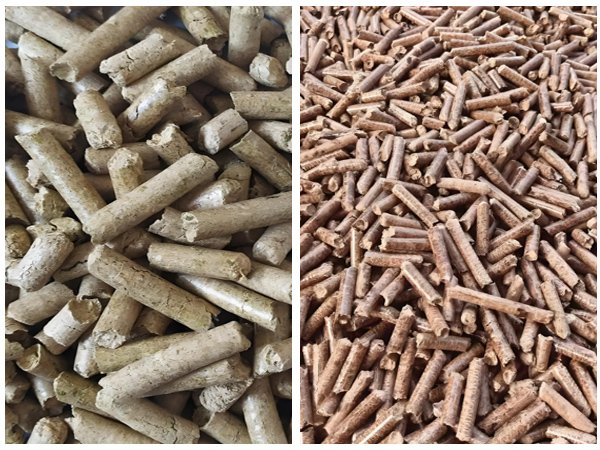
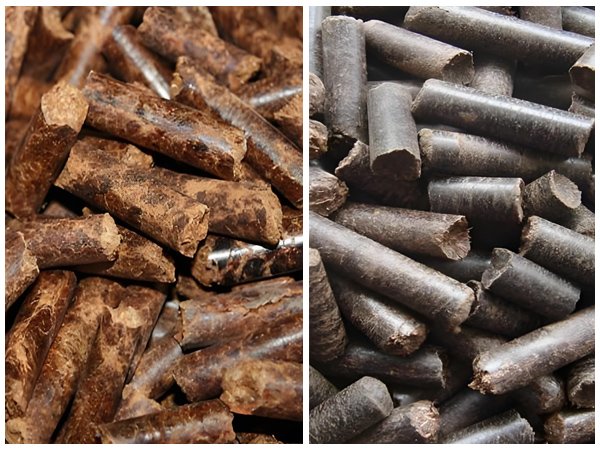
Pelletizing offers several advantages in agriculture and animal husbandry. It allows for better utilization of farm residues and precise formulation.
Mixing different ingredients like grains, supplements, and forage into a uniform pellet ensures balanced nutrition for livestock (cattle, poultry, pigs, sheep) and aquaculture. The heat during the pelleting process can also kill some harmful bacteria, improving feed safety. Pelleted feed is less dusty, easier to handle and store, and reduces waste compared to loose feed. Our feed pellet mills are designed for various formulations.
Materials like sawdust, straw, or paper can be pelletized to create highly absorbent bedding for animals like horses or poultry. Pellet bedding controls ammonia odor better than traditional materials and is less dusty, improving barn air quality. It’s also easier to clean out and composts readily after use.
Crop residues, manure, and other organic matter can be pelletized. This creates slow-release organic fertilizers or soil conditioners. Pelleting standardizes the product, making it easier to spread evenly on fields. It also reduces the volume of raw manure, simplifying storage and transport. Using organic pellets improves soil structure and fertility over time.
Facing challenges with bulky waste like wood scraps, agricultural residue, or even certain industrial byproducts? Landfilling is costly and unsustainable. Pellet mills provide a way to densify waste, making it useful.
Pellet mills compress various waste streams, significantly reducing their volume. This makes waste easier to transport, store, or convert into usable products like fuel pellets, effectively turning waste into a resource.
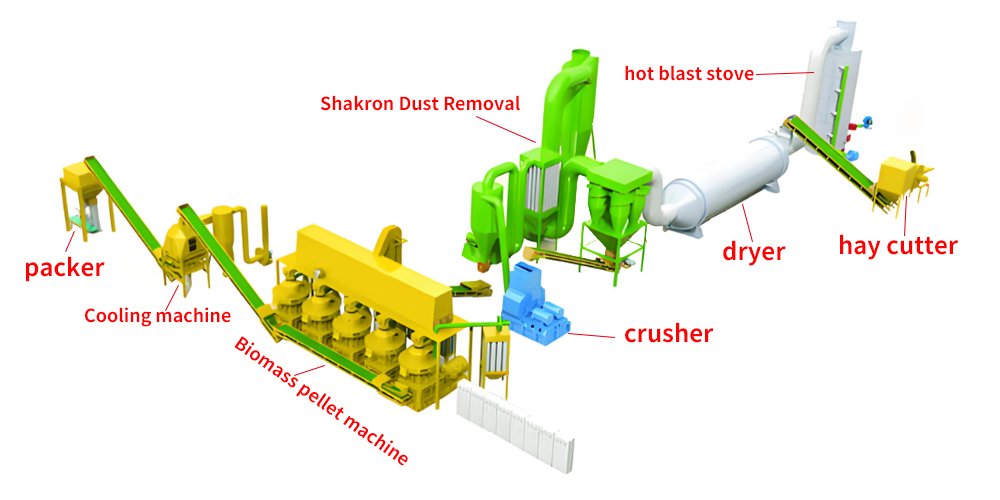
Using pellet mills for waste is a key part of resource recovery and the circular economy. It diverts materials from landfills and creates value.
The primary benefit is significant volume reduction. Materials like sawdust, shavings, or shredded paper are bulky and take up space. Pelletizing can reduce volume by a factor of 5 to 10, depending on the material. This dramatically cuts down on storage space needed and reduces transportation costs, whether the pellets are destined for disposal or reuse.
Pelleting transforms loose, problematic waste into a uniform, stable product. For instance, waste wood from furniture factories or construction sites (like building templates handled by our crushers) can become fuel pellets. Agricultural residues like straw or corn stover, which might otherwise be burned in fields (causing pollution), can be turned into fuel, feed, or bedding. Even some non-hazardous industrial wastes or sludge can potentially be pelletized after proper treatment and analysis, often mixed with biomass.
By diverting waste from landfills, pelleting reduces methane emissions (a potent greenhouse gas) generated by decomposing organic matter. It also promotes resource recovery, aligning with sustainability goals. Using waste-derived pellets as fuel replaces fossil fuels, further reducing carbon footprint. At Fude Machinery, we often integrate crushers and dryers into waste processing lines before the pellet mill for optimal results.
Do you have specific biomass materials and wonder if they can be pelleted? Different materials behave differently. Knowing what works is key to successful pellet production.
Pellet mills can process a wide range of biomass materials. Common examples include sawdust, wood chips, shavings, straw, rice husk, corn stover, bagasse, alfalfa, nut shells, and even manure or paper.
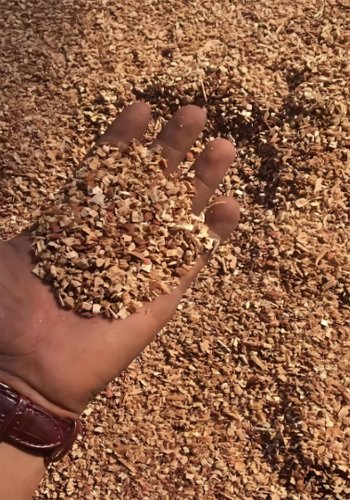
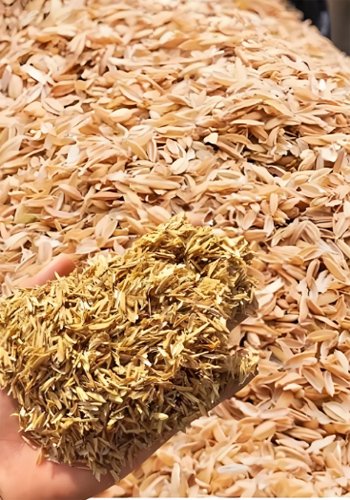
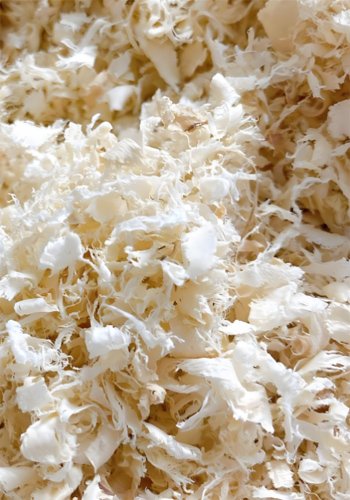
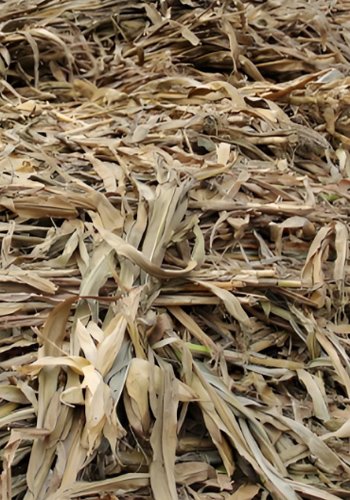
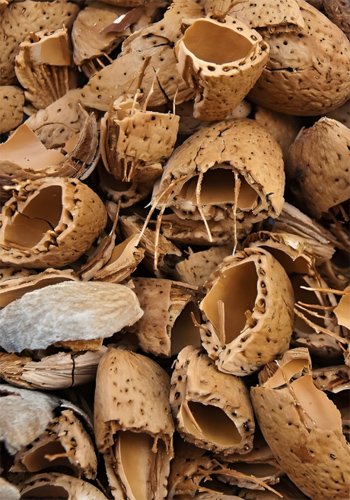
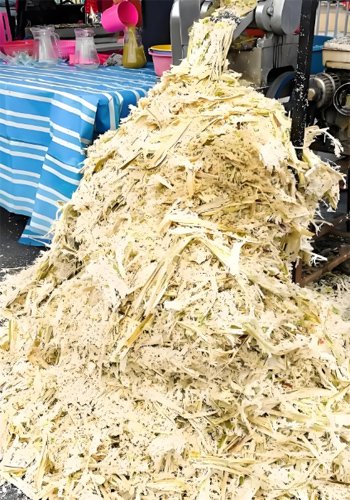
The suitability of a material depends on factors like moisture content, particle size, and lignin content (which acts as a natural binder). Pre-processing steps are often necessary.
Most organic fibrous materials can be pelletized, though some require adjustments or binders.
Before pelleting, materials usually need preparation:
Fude Machinery provides both flat die pellet mills (good for softer materials, smaller scale) and ring die pellet mills (better for harder materials, larger scale) to handle diverse feedstocks.
Thinking about getting a pellet mill, but want to know the broader advantages? The benefits go beyond just creating fuel or feed. Pellet mills offer significant operational and financial advantages.
Using a pellet mill improves material handling, storage, and transport efficiency. It adds value to low-cost residues, creates consistent products, and supports sustainable practices by utilizing renewable resources.
Investing in a pellet mill can streamline your operations and open up new revenue streams or cost savings.
Considering if a pellet mill fits your business? Whether you’re in forestry, farming, waste recycling, or energy production, the answer depends on your specific needs and available resources.
If your business generates or handles significant amounts of wood waste, agricultural residue, or other suitable biomass, a pellet mill is likely beneficial. It’s ideal for wood processors, farms, recycling centers, and biomass energy producers.
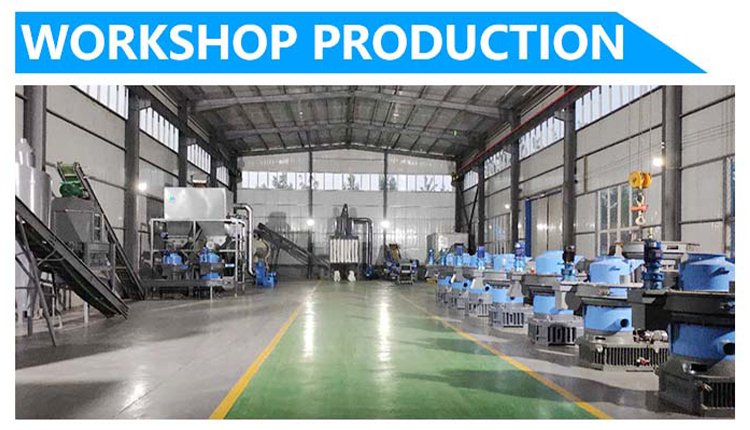
Let’s look at suitability for the common industries we serve at Fude Machinery.
We at Fude Machinery specialize in B2B solutions and offer customized pellet mill lines to match your specific industry needs and raw materials.
Biomass pellet mills are versatile machines. They turn various waste materials into useful pellets for fuel, feed, bedding, and more, benefiting many industries. Fude Machinery offers reliable solutions.
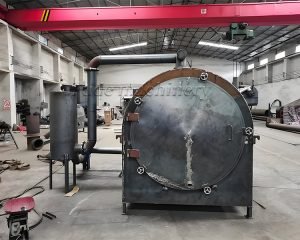
It is a key equipment for converting biomass raw materials into charcoal
View details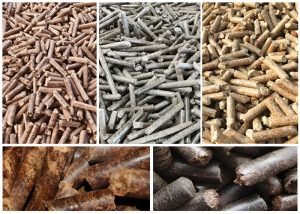
Are you struggling with mounting waste disposal costs? Do those piles of wood scraps or crop residues seem like a burden? We help you turn them into valuable biomass pellets! Biomass pellet mills primarily process wood materials like sawdust, s...
View details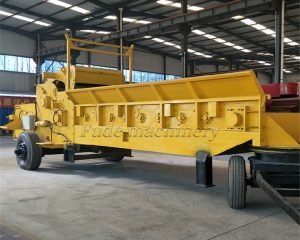
A comprehensive wood crusher is a device specifically designed for crushing wood
View details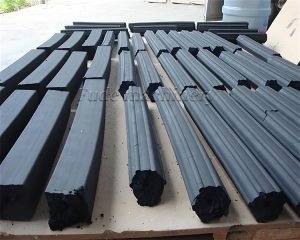
In the thriving charcoal industry, the charcoal making machine price plays a crucial role for charcoal producers and manufacturers. The affordability and cost-effectiveness of these machines directly impact the profitability and competitiveness o...
View details
HelloPlease log in