 Fude Machinery-wood crusher manufacturer
Send A MessageWe support device customization. Please specify your material and model requirements, and we will reply to you promptly.
wood pellet machine
Definition of wood chip pellet mill
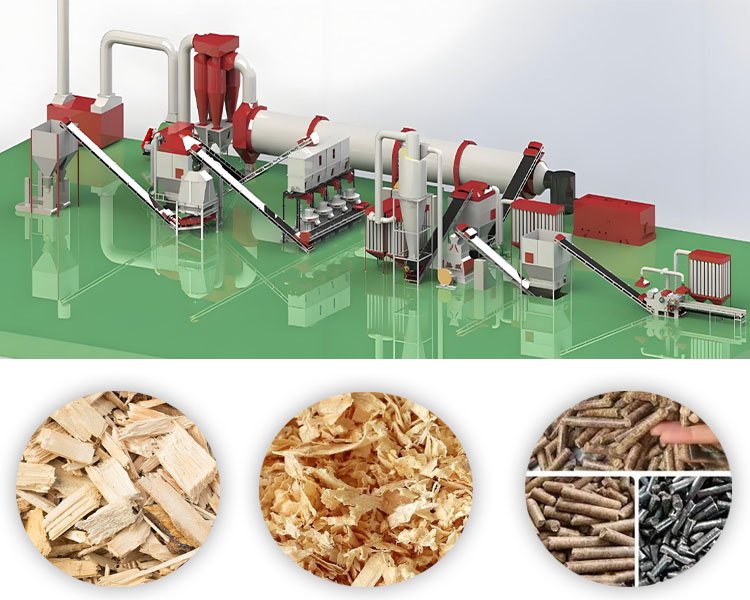
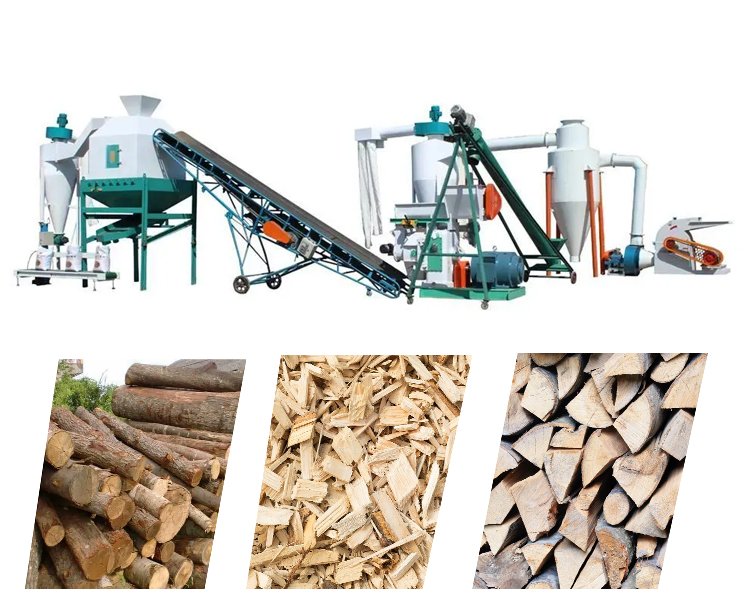
A complete pellet plant is not just a pellet mill; it is a fully integrated production line where every stage—from raw material intake to final product packaging—is engineered to work in perfect harmony.
Applicable materials: straw, bamboo, rice husk, and logs
Equipment configuration: peeling machine, crusher, dryer, cooling machine, biomass pellet machine, packaging machine
Output: configured according to customer requirements
Table of Contents
- Definition of wood chip pellet mill
- What is a wood pellet machine?
- Configuration sheet for machine for wood pellets
- What are wood pellets used for?
- Application scenarios for granule machines
- Technical Features of Sawdust Pellet Machine Production Line
- Types of granule machines
- Development trend of pellet machine
- Recommendations for purchasing wood chip pellet machines
What is a wood pellet machine?
The wood pellet maker machine is a mechanical equipment used to convert wood waste such as sawdust and sawdust into wood particle fuel.
It has the characteristics of high efficiency, energy conservation, environmental protection, and resource recycling, and plays an important role in the field of modern biomass fuels. The entire production line includes multiple equipment, such as raw material processing system, crushing equipment, drying equipment, pellet machine, cooling equipment, etc. These equipment work together to complete the production process of wood chips particles.
Configuration sheet for machine for wood pellets
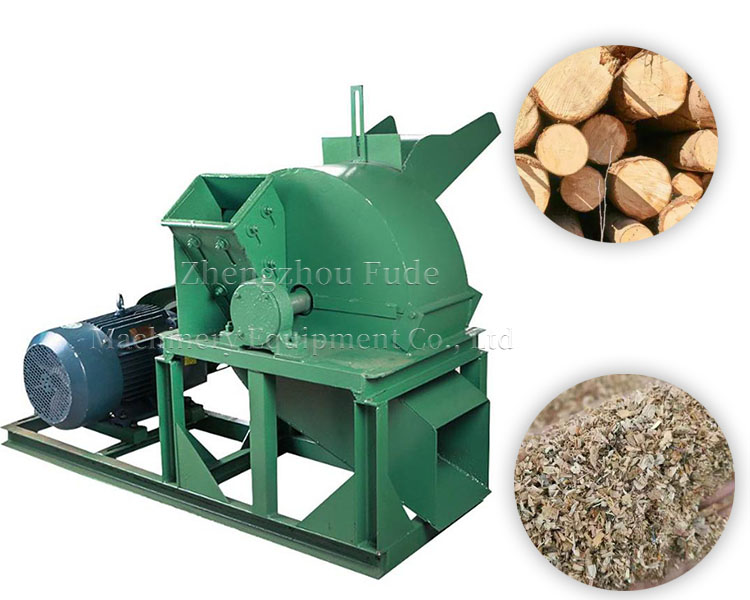
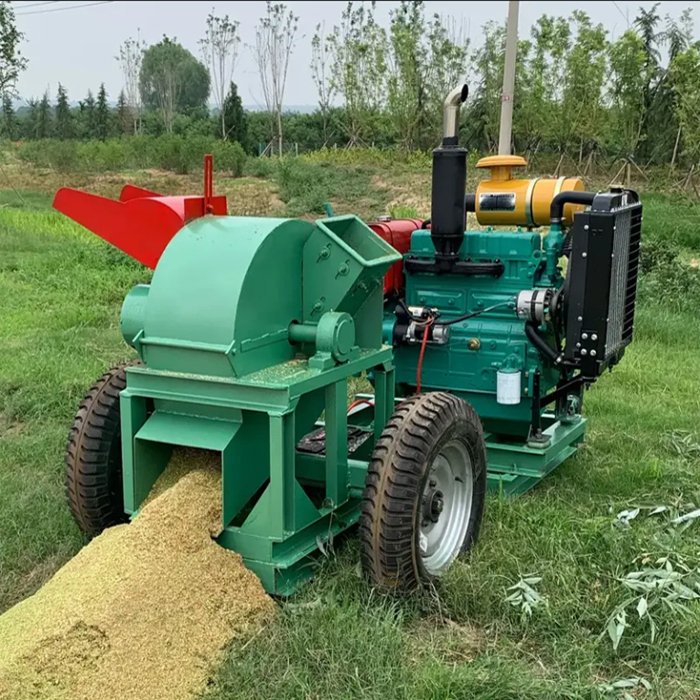
Crushing Stage: The process begins here. Raw materials like wood offcuts, branches, or agricultural stalks are fed into a heavy-duty wood crusher or hammer mill. This machine reduces the material down to the fine, uniform size (typically <5mm) required for pelletizing.
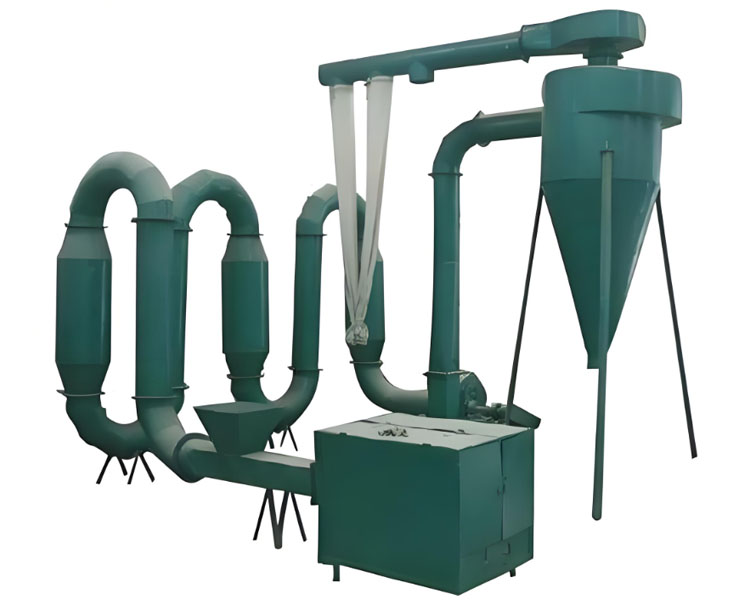
Drying Stage: This step is critical for quality. The crushed material moves to an industrial rotary dryer. This machine tumbles the biomass in a stream of hot air to precisely lower its moisture content to the optimal 12-15% range. This guarantees strong, stable pellets.
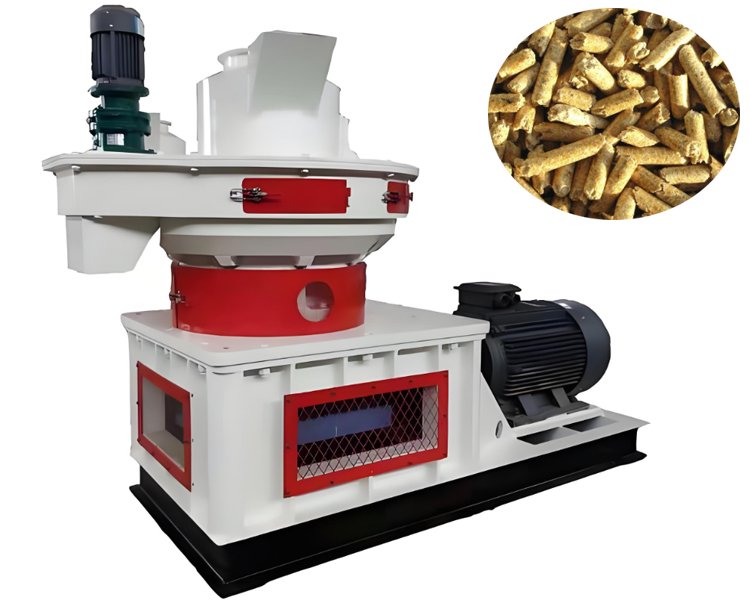
Pelletizing Stage: dry material is now fed into one or more high-capacity wood pellet machines. These mills use intense pressure to press the material through dies, forming the dense pellets. For larger plants, we use multiple mills running in parallel to meet production targets.
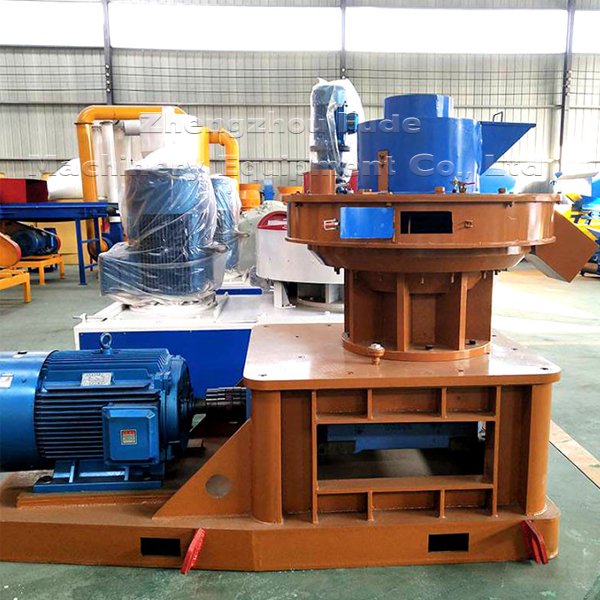
Biomass pellet machine
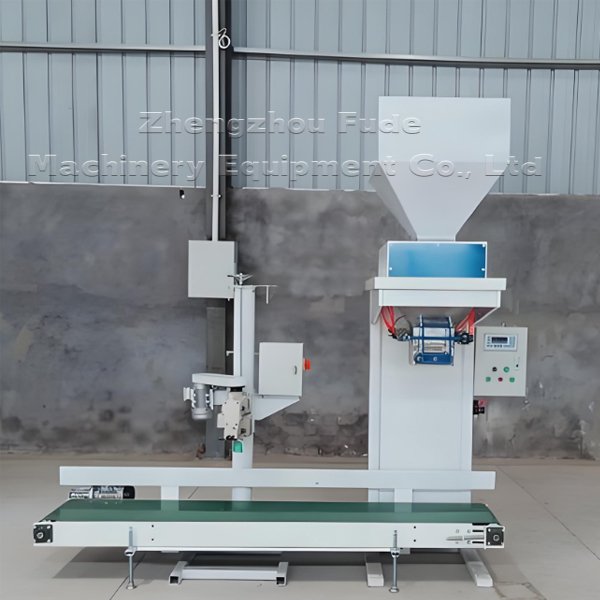
Packaging machine
- Cooling and Screening Stage: Freshly made pellets are hot (around 80-90°C) and soft. They are immediately transported to a counter-flow cooler, which uses air to bring their temperature down and harden them. They are then screened to remove any fine dust, which is recycled back into the system.
- Packaging Stage: The finished, cooled pellets are moved to a silo and then fed into an automated bagging machine. This machine weighs and seals the pellets into bags of your desired size (e.g., 15kg, 25kg, or 1-ton bulk bags), ready for sale and distribution.
What are wood pellets used for?
Wood pellet machine is a specialized equipment that compresses forestry waste such as sawdust, sawdust, tree branches, bark, and shavings into high-density pellet fuel under high pressure. It has a wide range of applications, covering multiple fields such as energy, industry, and civil use.
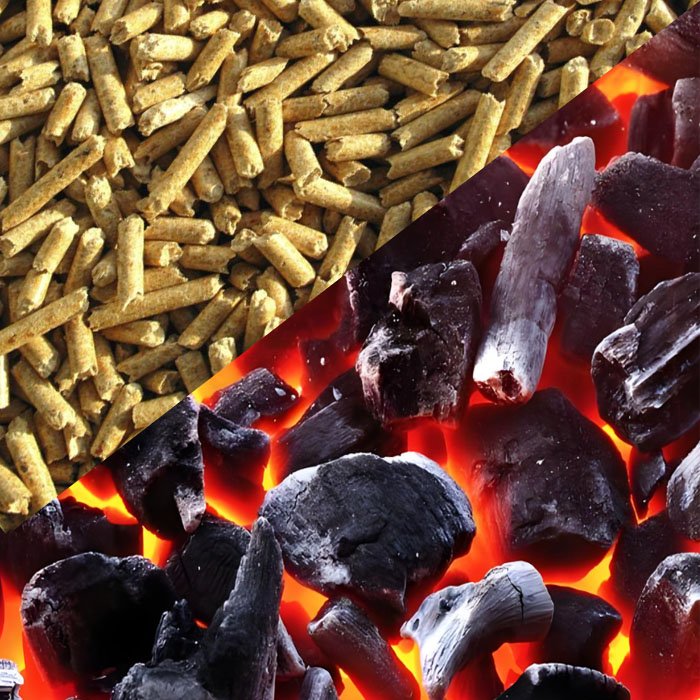
- Fuel characteristics: Wood pellet fuel has a high calorific value (about 3800-4200 kcal/kg) and a combustion efficiency similar to coal, but its sulfur oxide and nitrogen oxide emissions are more than 90% lower than coal, which meets environmental protection requirements.
- Biomass power generation: Wood chips are burned as fuel in biomass power plants to drive steam turbines for electricity generation.
- Casting industry: The heat generated by the combustion of sawdust particles can be used for drying casting molds, preheating melted metals, etc.
- Building materials industry: provides thermal energy for brick kilns, cement plants, etc., for processes such as raw material drying and product firing.
- Chemical industry: As a heat source for equipment such as reaction vessels and distillation towers, it supports the chemical production process.
Application scenarios for granule machines
Wood chip pelletizers are biomass renewable energy equipment that converts agricultural and forestry waste (such as wood chips, straw, bamboo chips, etc.) into high-density pellet fuel. They are widely used in biomass power generation, industrial boilers, residential heating, and other fields.
Their core value lies in the resource utilization of waste and the promotion of green energy transformation.
- Biomass Energy
- Pellet fuel has a calorific value of 3800-4200 kcal/kg and can replace coal in industrial boilers, saving more than 30% in fuel costs.
- Biomass power plants using pellet fuel reduce carbon emissions by 50%, meeting carbon neutrality targets.
- Civilian heating
- Particle burners paired with fireplaces or boilers improve heating efficiency by 20% compared to traditional coal burning, and produce no smoke or dust pollution.
- Animal husbandry
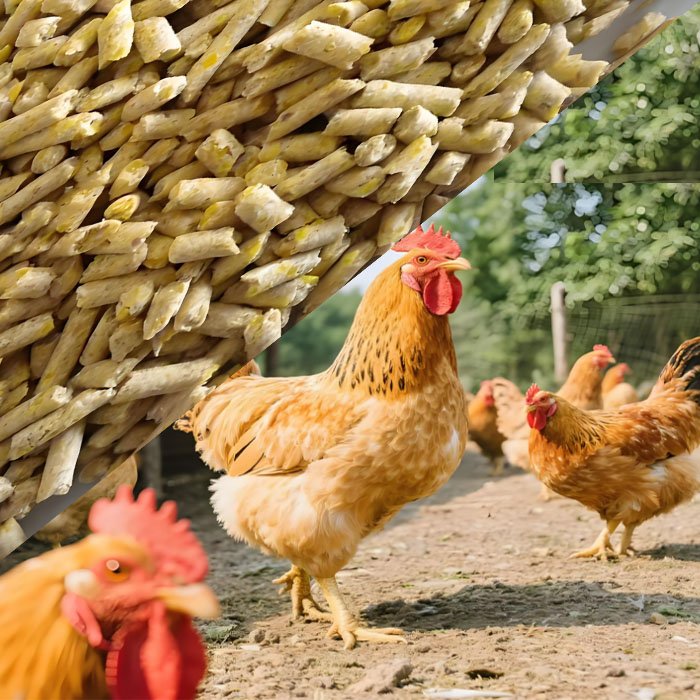
- Processed wood pellets can be used as bedding for livestock and poultry. They are highly absorbent and easy to clean, improving the animal husbandry environment.
Technical Features of Sawdust Pellet Machine Production Line
- Efficient and energy-saving
- The production line adopts modular design, with various devices working together to reduce energy loss.
- The motor power covers 5.5kW to 132kW, meeting the production needs of different scales.
- The dryer adopts hot air circulation technology, which reduces energy consumption by more than 30% compared to traditional equipment.
- Strong durability
- Key components such as the spindle, ring mold, and pressure roller are made of alloy steel material and undergo carburizing treatment, resulting in a threefold increase in wear resistance.
- The mold has a lifespan of 800-1000 hours, reducing replacement costs.
- The bearings and oil seals are made of imported high-quality components to ensure stable transmission and low noise.
- environmental performance
- The combustion of particulate fuel is complete, and the emission of sulfur oxides is more than 90% lower than that of coal.
- The production line is equipped with dust removal devices to reduce dust pollution and meet environmental protection requirements.
- Support the utilization of waste such as straw and pesticide residues to reduce incineration pollution.
Types of granule machines
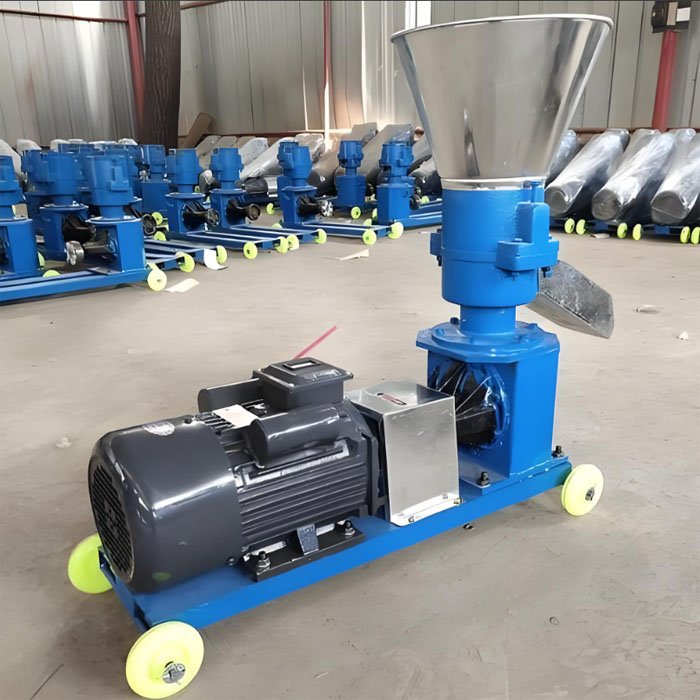
- Flat mold pellet machine
- Features: The mold is installed horizontally, and the pressure roller rolls and squeezes the raw materials on the surface of the mold. Simple structure, low cost, suitable for small-scale production or family workshops.
- Advantages: Strong adaptability to raw material moisture content (5% -30%), flexible mobility, and some models support dual use of diesel and electricity.
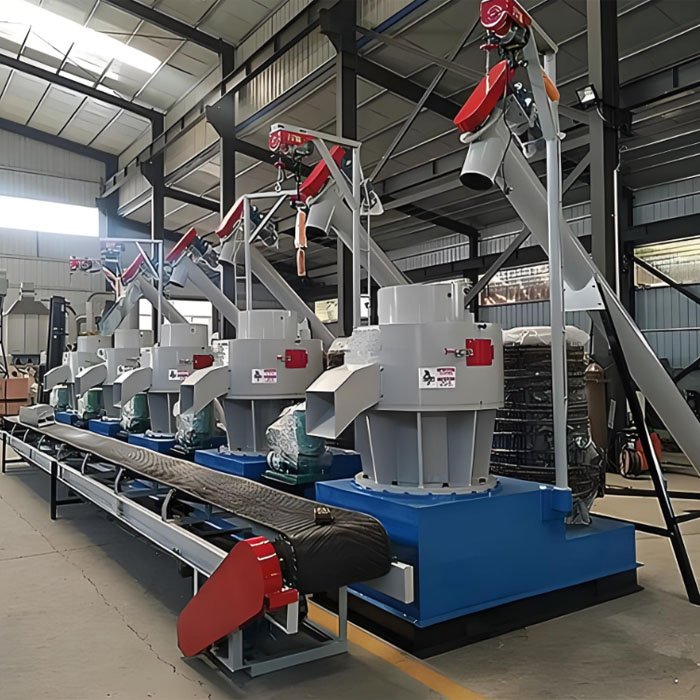
- Ring mold pellet machine
- Features: The mold is installed vertically, and the pressure roller and ring mold are extruded into shape. High output (1-5 tons per hour), suitable for large-scale production.
- Advantages: Adjustable compression ratio, suitable for different raw material characteristics (such as sawdust, straw, feed, etc.), high transmission efficiency (over 98%), low energy consumption.
Produce wood chips and choose different types of pellet machines based on production demand.
Development trend of pellet machine
With the global energy structure transformation, the market demand for wood pellet machine production lines continues to grow. It is expected that by 2030, the global biomass pellet market will grow at a compound annual growth rate of 8.5%.
Clearly support the development of biomass energy and provide broad market space for equipment manufacturers.
Recommendations for purchasing wood chip pellet machines
- Raw material type: For coarse fiber materials such as straw, adjustable compression ratio equipment should be selected.
- Production scale: Flat mold pellet machine with a daily output of less than 10 tons, and ring mold pellet machine with a daily output of more than 20 tons.
- Budget control: Electric motor models have low costs, while diesel models are suitable for mobile operations.
- Automation requirements: It is recommended to choose a PLC control system for large-scale production lines to improve production efficiency.
- Raw material processing: Ensure that the moisture content of the raw materials is between 10% and 15%, as excessive moisture can cause loose particles.
- Equipment maintenance: Regularly clean the mold holes to prevent blockage; Check the bearing temperature every 200 hours of operation to avoid overheating and damage.
Take the Next Step to a Profitable Future:
The first step is a simple conversation. Contact our design team at FUDE Machinery to discuss your raw materials and your business goals. We will provide a free system design consultation and a detailed, factory-direct quote for a plant built specifically for you.