 Fude Machinery-wood crusher manufacturer
Application of sawdust machine in edible mushroom cultivation
551It is a machinery specifically used for processing wood, branches, roots, scraps, etc. into fine materials such as sawdust and sawdust
View detailsSearch the whole station Products
Worried about rising feed costs? Want more control over ingredients? Making your own chicken feed is possible.
You can make chicken feed by getting ingredients, grinding them down, mixing correct amounts for nutrition, and then using a pellet machine to form pellets. This method gives you control over what your chickens eat.
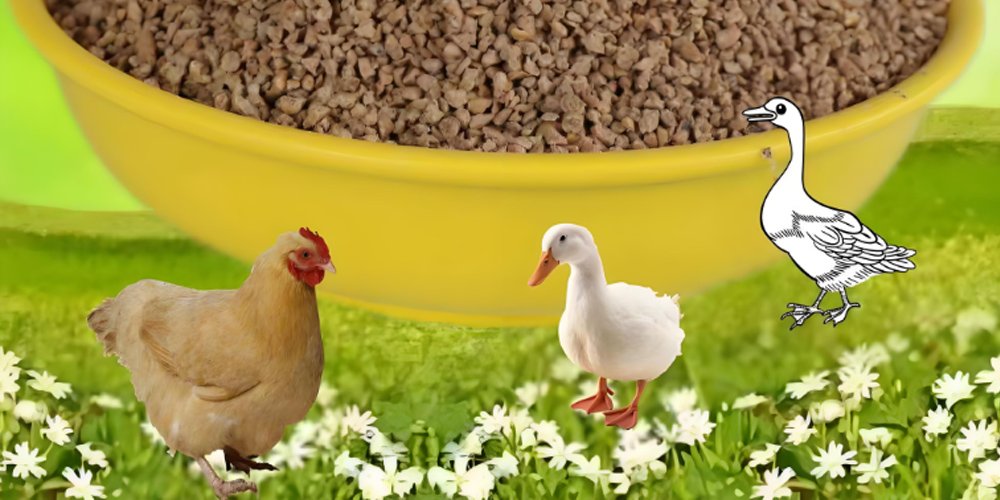
Making feed yourself sounds hard. But it is about understanding the steps. I can help you break down the process.
Chickens need balanced food to grow well. What parts make up their diet? Knowing the right ingredients is important.
Chicken feed ingredients include things like grains (corn, wheat), protein sources (like soybean meal), fats, vitamins, and minerals. The right amounts change based on the chicken’s age.
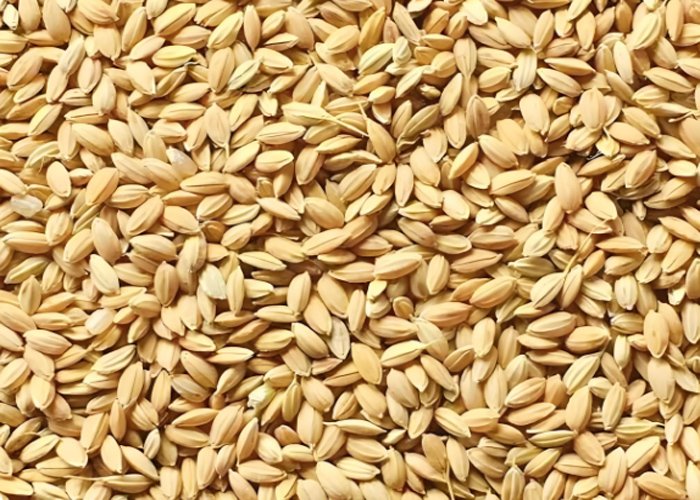
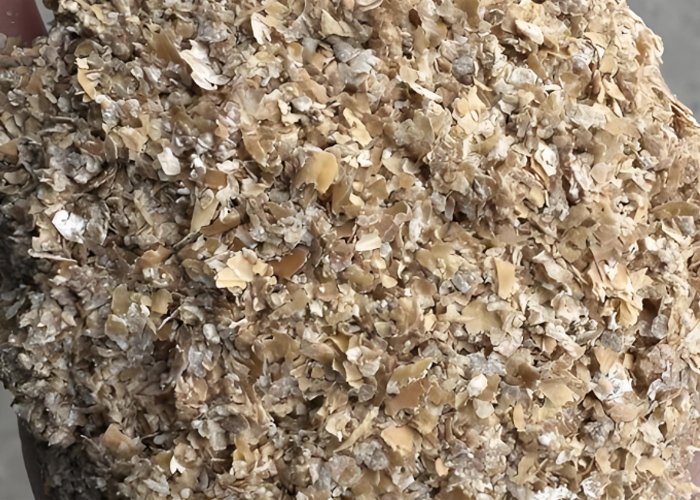
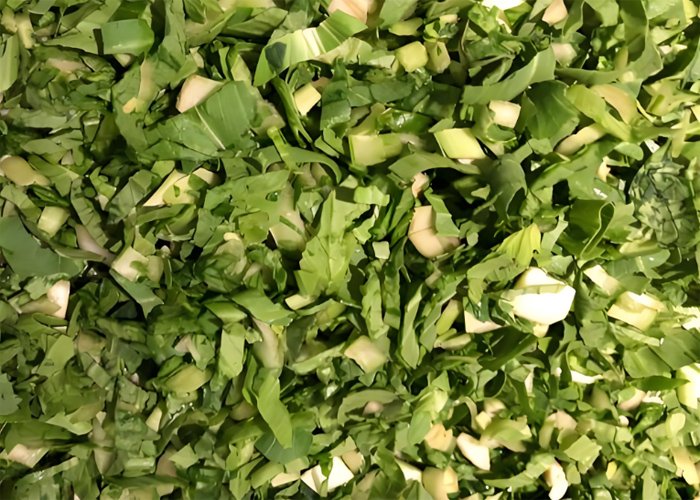
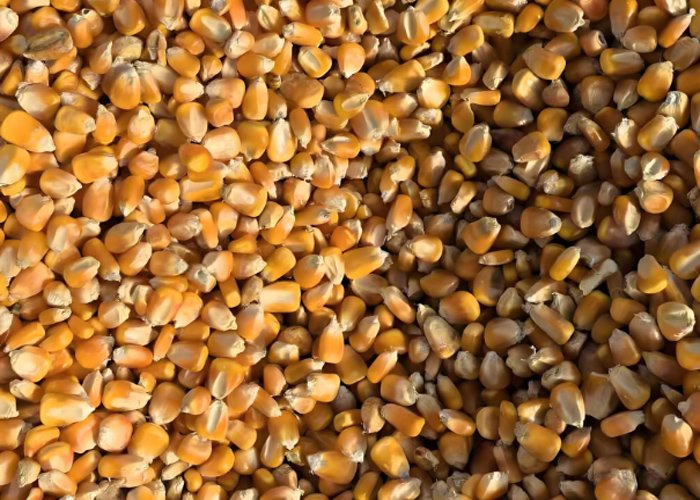
Knowing the food parts helps you create good feed. Every ingredient gives something needed. You must mix them correctly.
Grains are the main part of most chicken feeds. They give energy. Corn is used often. Wheat, barley, and oats are also used. You need to grind these grains. Chickens cannot digest whole grains well. Grinding makes the energy easy for them to get. Different grains have different energy levels. You choose grains based on cost and what is available.
Protein is needed for muscle, feathers, and eggs. Soybean meal is a common protein source. It has a lot of protein. Other options include sunflower meal or fish meal. Young chickens need more protein than older ones. Laying hens need a specific amount for egg making. Getting the protein level right is very important for healthy birds.
Just grains and protein are not enough. Chickens need vitamins and minerals. These are added in small amounts. Calcium is needed for strong eggshells. Phosphorus works with calcium. Vitamins like A, D, E, K, and B vitamins are vital. You usually buy a pre-mix that has all these added together. This makes sure the chickens get everything they need for health and production.
Fats and oils are sometimes added too. They give extra energy. They also help the chicken use certain vitamins. A small amount is enough. Too much fat is not good.
You must follow recipes for different chicken ages. A starter feed for chicks has high protein. A layer feed for hens has more calcium. You must measure carefully.
Why turn the mixed feed into small pellets? Is it truly better? Pelleting offers many good points for feeding chickens.
A pellet machine changes loose, mixed feed into uniform small pieces called pellets. This process cuts down on waste, stops chickens from just eating the best parts, and helps them digest food better.
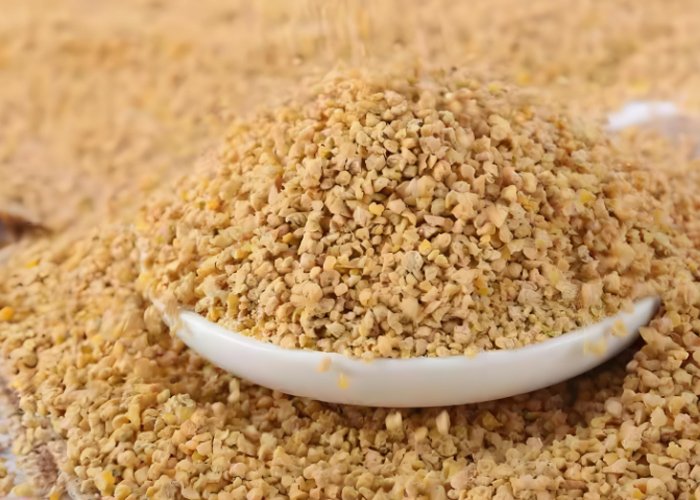
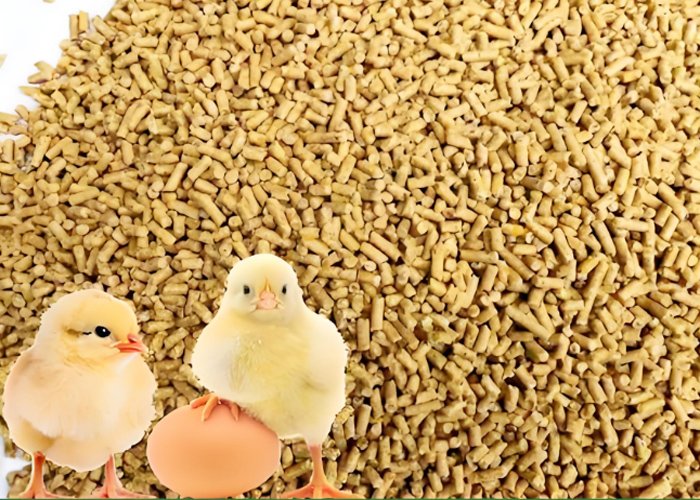
Pelleting makes feeding easier and more effective. There are several reasons why people choose this method. It improves the feed quality in different ways.
When feed is loose mash, chickens can flick it out of the feeder. They might only eat the big bits and leave the fine powder. This wastes a lot of feed. Pellets are heavier and stay in the feeder better. Their uniform size means less feed is lost. This saves money over time, especially for big farms.
Chickens can be picky eaters. In a mash, they might pick out only the corn pieces or other favorites. This means they do not get a balanced diet. Pellets have all ingredients pressed together. Every pellet is the same. The chicken eats the whole mix in each bite. This makes sure they get all the needed nutrients with every meal.
The pelleting process uses heat and pressure. This heat can change the starches in the feed. It can break down some complex things. This makes the nutrients easier for the chicken to digest and use. The chickens get more energy and nutrition from the same amount of feed. This leads to better growth or egg output. It makes the feed more efficient.
Pellets flow better than mash. They work well in automatic feeders. They create less dust. Less dust means better air quality in the chicken house. It is healthier for the birds and for the people working there. Pellets are cleaner to store and move around. This makes farm work simpler.
Using a pellet machine takes an extra step. But the benefits in waste reduction, better nutrition use, and easier handling make it a good choice for many chicken farmers.
You know what goes into feed. You know why pellets are good. Now, how does a machine make them? Our machines make this part simple.
Fude feed pellet machines take the mixed feed powder and press it through a die. This forms the small, hard pellets. Our machines offer steady work and are good for making chicken feed on different scales.
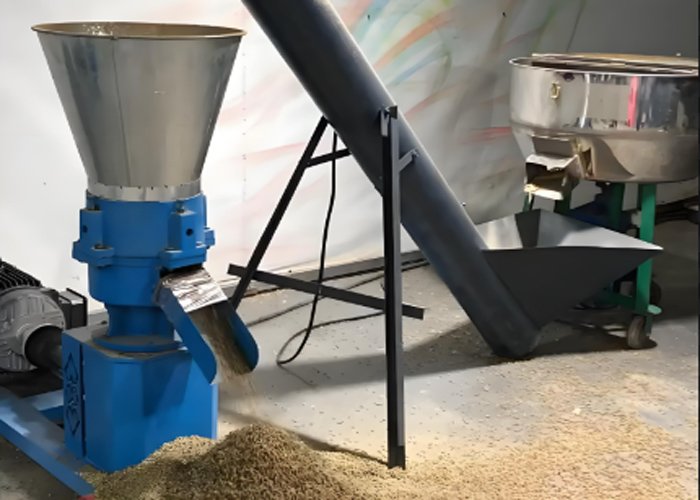
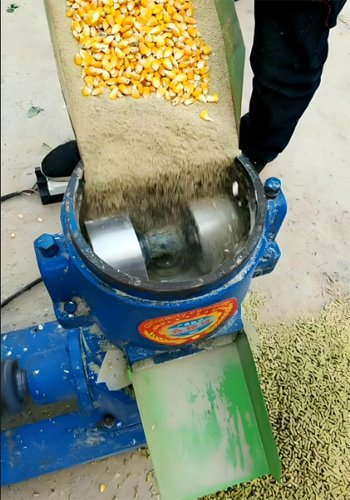
Our machines are designed for making animal feed, including chicken feed. The process involves several steps using the machine. We build machines that are reliable for businesses.
Before pelleting, you must prepare the feed mix. This means getting the right amounts of ingredients. You need to grind the grains and protein sources. A hammer mill or other grinder is used for this. The particle size is important. It must be small enough to form good pellets. You then mix all ingredients well. Vitamins, minerals, and oils are added now. The mix must be uniform. Our focus is on the pelleting step, but good preparation is key.
The mixed mash goes into the feed pellet machine. Inside, rollers push the mash through small holes in a metal die. This pressure makes the mash stick together. As the compressed material comes out of the holes, cutters cut it into short pieces. These pieces are the pellets. The die determines the size of the pellets. We have different dies available. Flat die machines push mash through a horizontal or vertical flat die. Ring die machines push mash through holes in a rotating ring die. Both types work well for feed. Ring die machines are often used for larger production needs.
Pelleting creates heat from friction. Fresh pellets are hot and soft. They need to cool down and harden. A cooler blows air through the pellets. This reduces temperature and moisture. Proper cooling makes pellets strong. Strong pellets do not break apart easily during transport and storage. After cooling, the pellets are stored in a dry place. They must be kept away from moisture to stay good. Our machines are part of the line that can include coolers. We help set up complete systems.
Our feed pellet machines are built strong. They handle the pressure needed to make quality pellets. We offer different models to fit different farm sizes or feed production businesses. We make machines that work day after day.
Ready to get a machine? What things should you think about? Picking the right machine needs careful thought.
When choosing a feed pellet machine, consider how much feed you need to make, the type of ingredients, the machine’s power source, and the design (flat or ring die). These factors help you find the best fit for your needs.
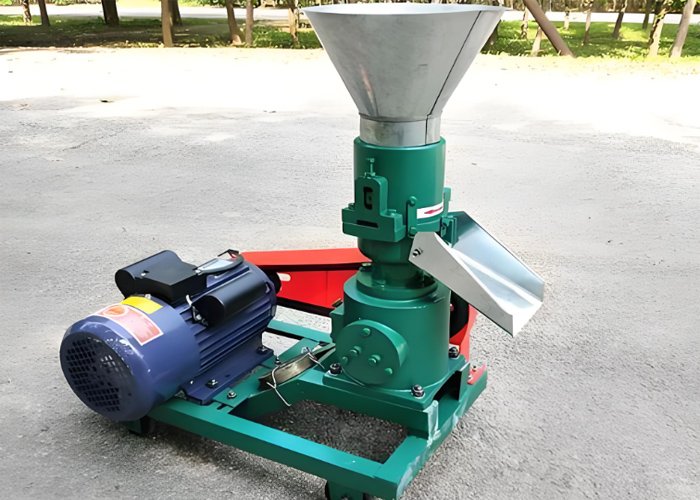
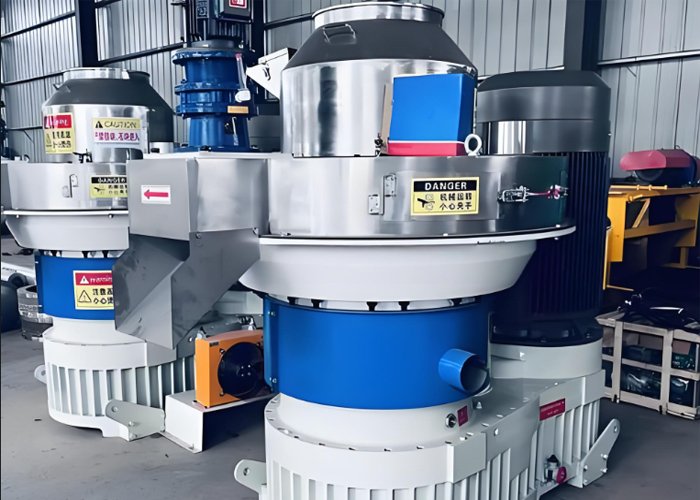
Choosing the correct machine is an important step. It affects how much feed you can make and how well the machine works. You need to match the machine to your specific needs.
How much chicken feed do you need each day or week? Machines have different outputs. Some make a few hundred kilograms per hour. Others make several tons. You need a machine that can produce enough feed without running constantly. Do not buy a machine that is too small. Do not buy one that is too big either, as it costs more. We can help you figure out the right capacity.
There are two main types: flat die and ring die pellet machines. Flat die machines are often smaller. They are good for smaller farms or starting out. Ring die machines are usually larger. They are better for bigger farms or commercial feed producers. Ring die machines often run continuously for long times. Flat die machines are simpler to use and maintain. Both types can make good chicken feed pellets. We offer both types.
Look at the machine’s motor size. It needs enough power. Check the die and roller material. Hardened steel lasts longer. Ask about spare parts availability. Dies and rollers wear out over time. Ease of cleaning is also important. For some locations, a machine with wheels is useful. We make mobile crushers and some smaller pellet machines can also be moved more easily. This flexibility can save time and cost if you need to move the machine often. Consider if you need electric power or a diesel engine, depending on where you will use the machine. Our machines are built for durability. We design them to be strong and work hard.
We are a manufacturer. We build these machines ourselves. This means we understand them well. We can help you choose based on your farm size, the type of feed you make, and your power options. We work directly with you.
Making chicken feed pellets puts you in control. It uses ingredients, grinding, mixing, and pelleting.

It is a machinery specifically used for processing wood, branches, roots, scraps, etc. into fine materials such as sawdust and sawdust
View details
It achieves efficient, fast, and fine crushing of wood.
View details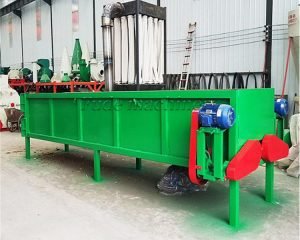
The application scenarios of wood peeling machines in the wood processing industry are very extensive
View details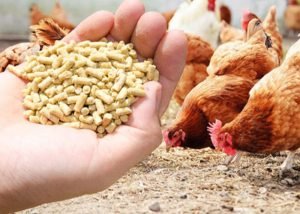
More and more chicken farmers are complaining that the prices of chicken feed sold by feed companies are too high, so that farmers have almost no profit when selling their chickens. Therefore, the current trend is to make poultry feed by onesel...
View details
HelloPlease log in