High feed costs eating profits? Turn farm waste into valuable feed. Make your own pellets and save money. A farm feed pellet machine makes animal feed pellets from raw materials. This saves money, improves feed quality, and reduces waste on your farm. It helps farmers lower costs. Making your own feed pellets is a smart choice for farmers. It changes how you manage resources. It helps your animals and your bottom line. Let’s look closer at why.
What Materials Can You Pelletize For Animal Feed?
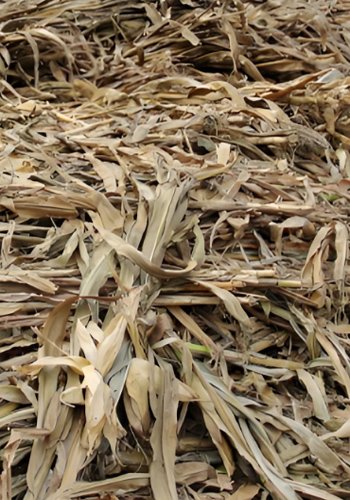
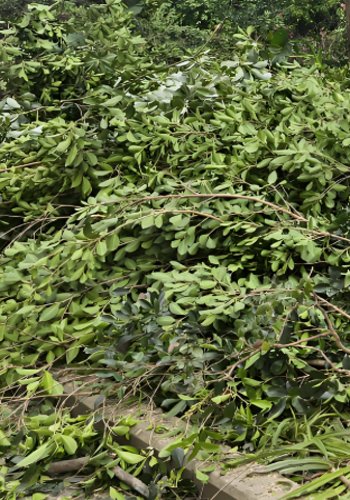
Got farm waste? Turn it into feed! Don’t let resources go to waste. You can pelletize many farm materials. This includes straw, corn stalks, hay, grass, grains, leaves, and other biomass.
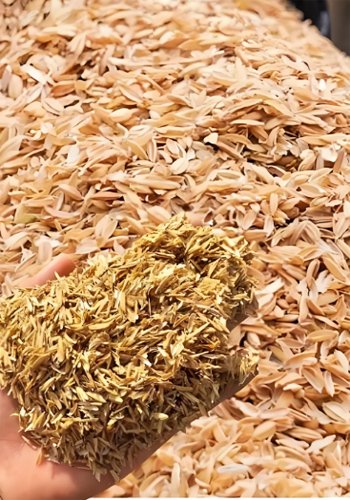
Farmers have many materials. You can use straw from wheat or rice. Corn stalks work well too. Hay and dry grass are good options. You can also use leaves from trees. Small branches can be used after crushing. Some farmers use grain dust. You can use bran. Residues from oil pressing are usable. Even animal manure can be processed for fertilizer pellets, not feed, but it shows what is possible. The material needs to be dry enough. Moisture content is important. It should be around 10-15%. Wet materials won’t form good pellets. Raw materials need preparation. First, you must crush them. You need a crusher for this. It breaks down large pieces. The size needs to be small. About 3-5 mm is best. This helps the material pass through the pellet machine die. Next, you might need to dry the material. If it is too wet, you use a dryer. This brings the moisture to the right level. Sometimes you add binder. Molasses or starch can help materials stick. Mixing is the last step before pelleting. All materials must be mixed well. Not all materials are equal. The type of animal matters. Chickens need different feed than cattle. The nutrient content of the material is key. You might need to mix different materials. You can add vitamins or minerals. This creates a balanced feed. Check local regulations. Some materials might have limits. Our machines can handle many different materials. We can help you find the right setup.
Common Farm Materials for Pellets
Straw, Corn Stalks, Rice Husks
Hay, Dried Grass, Alfalfa
Corn, Wheat, Bran, Soybean Meal
Tree Leaves, Small Branches (crushed)
Material Preparation Steps
Crushing large pieces into small sizes (3-5 mm).
Drying to 10-15% moisture if needed.
Adding binders if necessary.
Thorough mixing of all ingredients.
How Does a Farm Feed Pellet Machine Work?
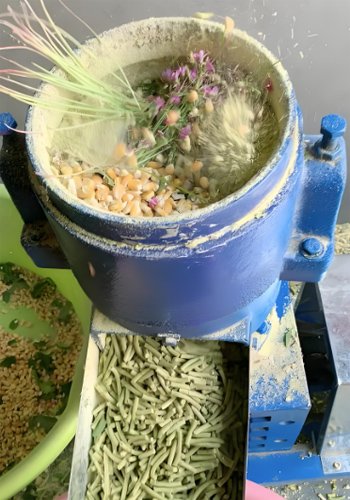
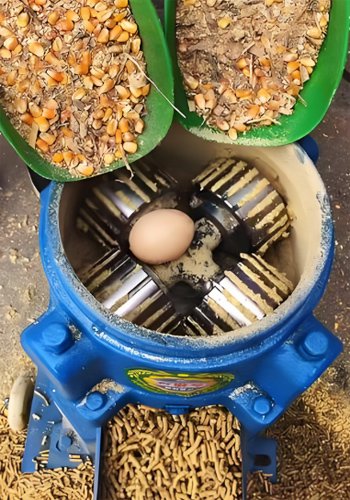
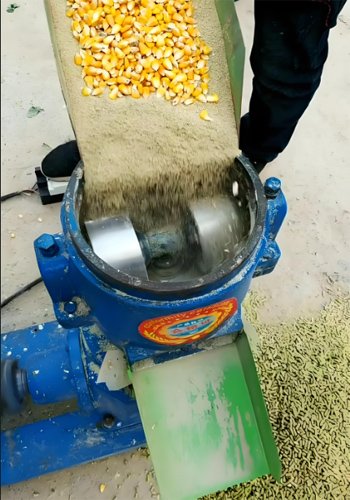
Making pellets is a simple process. Understand the steps easily. Materials are fed into the machine. They are pressed through a die by rollers. Heat and pressure form solid pellets. These are then cooled and screened.
First, the prepared raw material goes into the machine. It enters a feeder. The feeder controls how much material goes in. Some machines have a conditioner. This is a chamber before the die. Steam is often added here. Steam adds moisture and heat. This makes the material soft. It also helps activate natural binders. This step is important for pellet quality. It helps the pellets hold together. It makes the process smoother. The conditioned material goes into the pelleting chamber. Inside are a die and rollers. The die is a metal ring or flat plate. It has many holes in it. The rollers turn. They force the material through the holes in the die. High pressure is created here. The material is squeezed through the holes. This pressure creates heat. The material comes out as hot, dense strands. Knives cut these strands. This makes the pellets the right length. The size of the holes in the die sets the pellet diameter. The hot pellets are fragile. They are also moist from the steam. They need to cool down. They usually go to a cooler. Air flows through the pellets. This removes heat and moisture. Cooling makes the pellets hard. It helps them keep their shape. After cooling, the pellets go to a screener. The screener removes fines and broken pieces. Fines are small particles. These fines can be recycled back into the process. The finished pellets are ready for storage or use. The whole process is continuous. It turns loose material into dense pellets. This makes handling easy. It also improves storage.
Key Stages of Pellet Production
Feeding and Conditioning: Raw material enters, moisture/steam added.
Pelleting: Rollers force material through a die under pressure and heat.
Cooling and Screening: Pellets are cooled to harden, fines are removed.
What Are The Benefits of Using Feed Pellets On Your Farm?
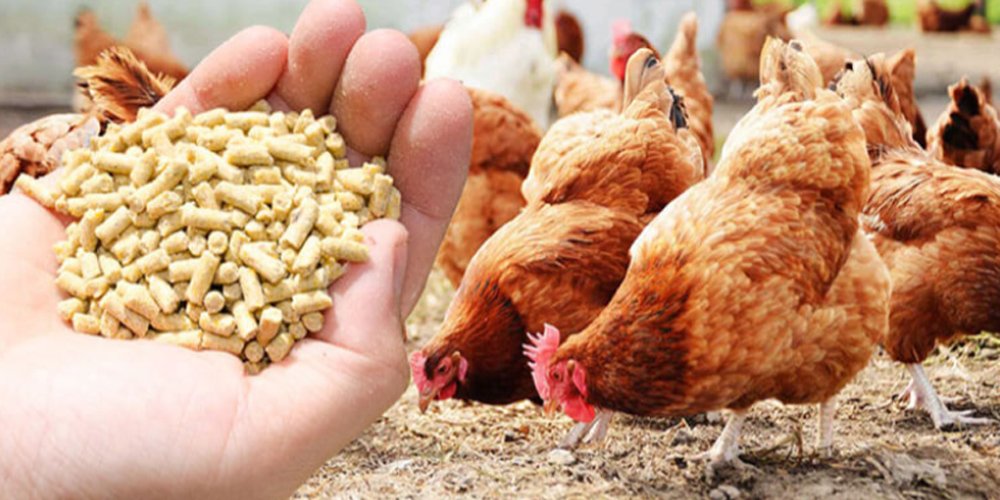
Pellets offer many advantages for your animals and farm. See the difference. Feed pellets improve animal intake, reduce feed waste, enhance digestion, are easier to store, and ensure balanced nutrition in every bite.
Animals usually eat more pellets. They are easy to pick up and swallow. The density means more nutrients per bite. The heat during pelleting can make some nutrients easier to digest. This means animals get more from their feed. They can grow faster. They can produce more milk or eggs. Overall health can improve. This leads to better performance on your farm. Loose mash feed causes waste. Animals can sort through it. They eat what they like. They leave the rest. Pellets are a complete package. Animals cannot sort ingredients. They eat the whole pellet. This means less feed is wasted. Less feed on the ground saves you money. It also keeps feeding areas cleaner. Pellets are dense. They take up less space than mash. This makes storage easier. You need less storage room. Pellets flow smoothly. This makes them easy to handle. They work well in automatic feeding systems. They create less dust. This is better for animal health. It is also better for farm workers. Less dust means a cleaner farm environment. Each pellet has the same mix of ingredients. Every animal gets the same balanced diet. With mash, animals can pick and choose. This leads to uneven nutrient intake. Pellets ensure consistent nutrition. This is important for steady growth and health. The pelleting process locks ingredients together. This prevents separation during transport or handling.
Feed costs too high? Make your own! See how you save real money. Saving money comes from using cheaper materials, reducing purchased feed volume, minimizing waste, and potentially selling excess pellets.
Buying finished feed is expensive. It includes costs for the manufacturer’s materials, processing, packaging, and profit. Making your own feed lets you use cheaper materials. You can use materials already on your farm. Straw, corn stalks, and other residues might be free or low cost. You can buy bulk grains or supplements directly. This is cheaper than buying bagged feed. You control the ingredients. You can source them locally. This reduces transport costs too. The main saving comes from buying less finished feed. If you can make all or most of your feed, your feed bill drops. Feed is often the biggest cost on a farm. Reducing this cost directly increases your profit margin. Even making part of your feed saves money. You can supplement purchased feed with your own pellets. This flexible approach still gives savings. As mentioned, pellets reduce feed waste. Animals eat it all. Less goes to the ground. This means you use less total feed for the same result. Pellets also store better. They are less likely to spoil if stored correctly. Reduced spoilage means you don’t lose money on feed you bought. This adds to the savings. If you have extra capacity, you can make pellets for neighbors. You can sell them to other farms. This can create a new income stream. You turn farm residues into a valuable product. This adds more to your farm’s profit. This is a way to use your investment more fully.
A farm feed pellet machine offers real savings. It improves animal health. It turns waste into profit. It is a smart investment for farmers.
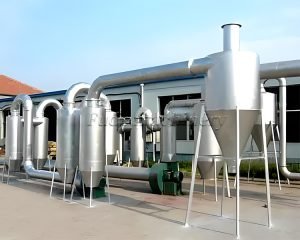
When selecting and configuring an airflow dryer, multiple factors need to be considered to ensure that the equipment can meet production needs and achieve the expected drying effect. Here are some key steps and suggestions:
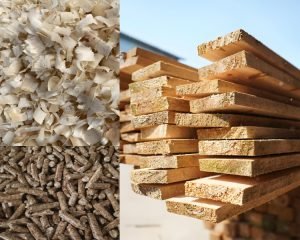
If you run a plywood factory, Every day, your operation generates mountains of wood residue: sawdust from sanding, veneer clippings, core cut-offs, and edge trimmings. For most factories, this waste represents a significant cost and a logistical h...
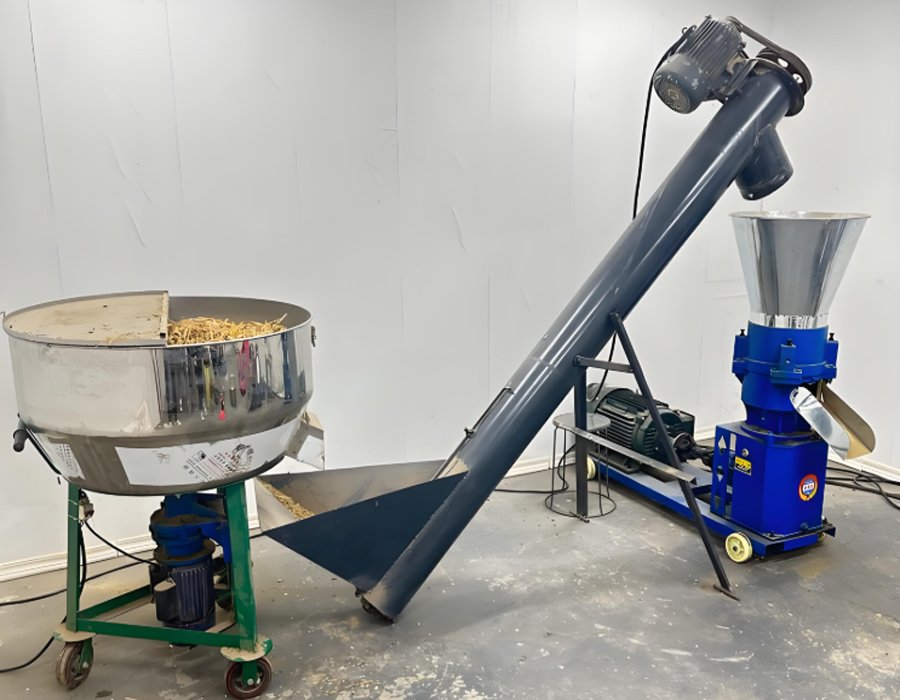
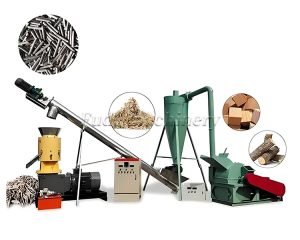
A small-scale feed pellet production line is a combination of equipment specifically designed for producing pellet feed. It can process various raw materials such as corn, soybean meal, straw, grass, etc. into pellet feed through a series of proce...
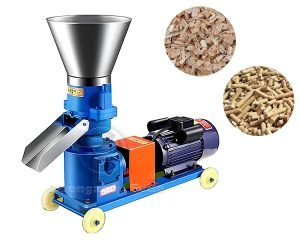
Recently, a customized wood pellet maker was delivered to one of our client in Thailand. He is one of our old customers who have bought one unit from us in last year. As the pelletizing result is good, he decided to bought one more. The following ...
 Fude Machinery-wood crusher manufacturer
HelloPlease log in