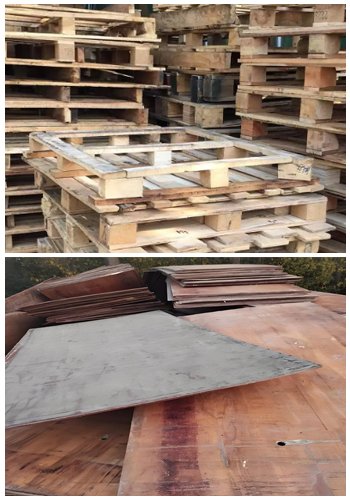
Struggling with bulky, nail-filled construction templates? Using the wrong crusher causes damage. Specialized machines handle them easily, saving you costs and hassle.
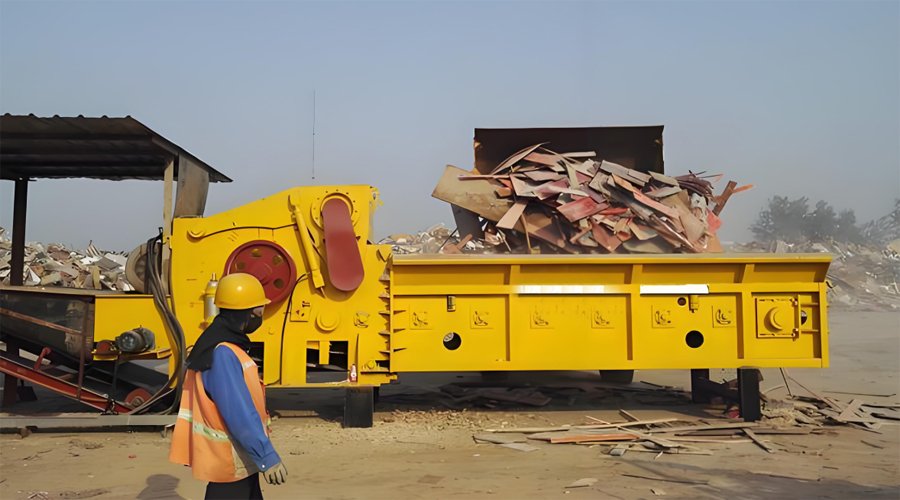
A template crusher is a heavy-duty machine, often a shredder or comprehensive crusher. It’s specifically designed to handle large construction templates contaminated with nails and other debris. Standard wood crushers typically cannot tolerate metal and lack the robustness needed for this tough job.
Now that you understand the basic difference, let’s look at why processing these templates with the right machine is so important for businesses like yours. The reasons go beyond just avoiding machine damage; they involve costs, recycling, and efficiency.
Why Do You Need a Machine to Crush Construction Templates?
Piled-up waste templates cost space and transport fees? Manual handling is slow, risky, and faces strict disposal laws. Machine crushing saves money, enables recycling, and ensures compliance.
Machines crush templates primarily to drastically reduce their volume and associated transport costs. This process enables valuable resource recovery—turning waste into fuel, boards, or charcoal—and helps meet environmental regulations that discourage landfilling, all while boosting operational efficiency.
Let’s delve deeper into the specific benefits that drive the need for mechanical crushing of waste construction templates. These benefits impact your bottom line, your environmental footprint, and your operational workflow. Understanding them helps justify the investment in the right equipment.
Cost Reduction: Size and Weight
Waste construction templates are bulky and irregular. They take up significant space in storage areas and on transport trucks. Crushing reduces the volume dramatically. This means you need less storage space on your site. It also means you can fit much more material (by weight or volume) onto a single truck. Fewer truckloads directly translate to lower transportation costs. Landfill fees are often based on volume, so reducing the size also lowers disposal costs if landfilling is the only option. This volume reduction is often the most immediate and tangible cost saving.
Resource Recovery Opportunities
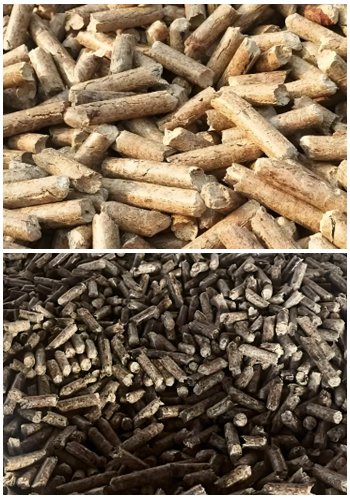
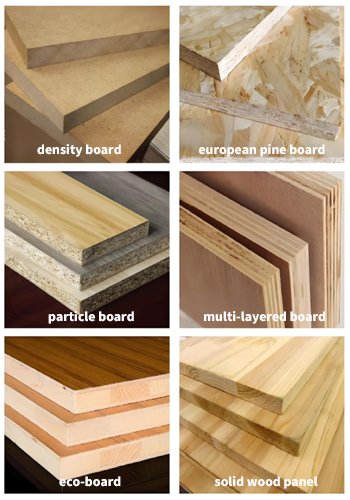
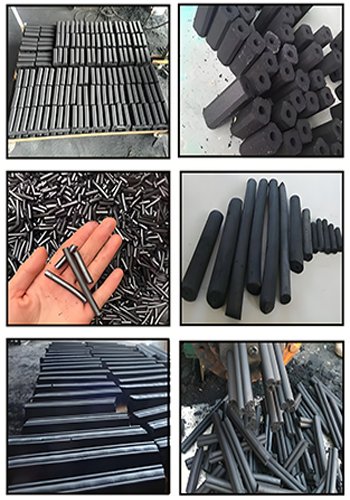
Crushed template material is not just waste; it’s a potential resource. Crushing is the first step in turning this waste into valuable products. The most common use is biomass fuel for power plants or industrial boilers. After removing metal contaminants like nails, the wood chips become a source of energy. Another key application is producing raw material for recycled wood panels, like particleboard or fiberboard. This requires thorough cleaning and sorting. Additionally, the material can be processed into input for producing machine-made charcoal. Turning waste into a sellable commodity creates a new revenue stream.
Environmental Compliance and Efficiency
Environmental regulations regarding construction waste are becoming stricter globally. Landfilling untreated wood waste is increasingly discouraged or prohibited. Authorities mandate resource recovery and recycling. Using a machine to crush templates is often a necessary step to comply with these rules and avoid penalties. Furthermore, manual dismantling and processing of templates is extremely slow, labor-intensive, and potentially hazardous due to nails and heavy lifting. A crushing machine automates this process, significantly increasing throughput and improving safety for workers.
Here’s a quick look at the primary recovery paths:
Nails destroying your standard crusher blades? Facing constant repairs and costly downtime? Template crushers use tough designs and materials specifically to handle embedded metal safely.
Template crushers handle nails through robust “brute force” design, not luck. They employ high-strength alloy steel cutters or teeth and reinforced machine structures. Essential features like overload protection and optional magnetic separators (for removing metal post-crushing) are crucial for reliable operation.
Dealing with metal contamination, especially nails, is the biggest challenge when processing construction templates. Standard wood crushers, particularly high-speed hammer mills, are not built for this. Let’s examine the specific features that allow specialized template crushers, like shredders or comprehensive crushers, to manage this effectively.
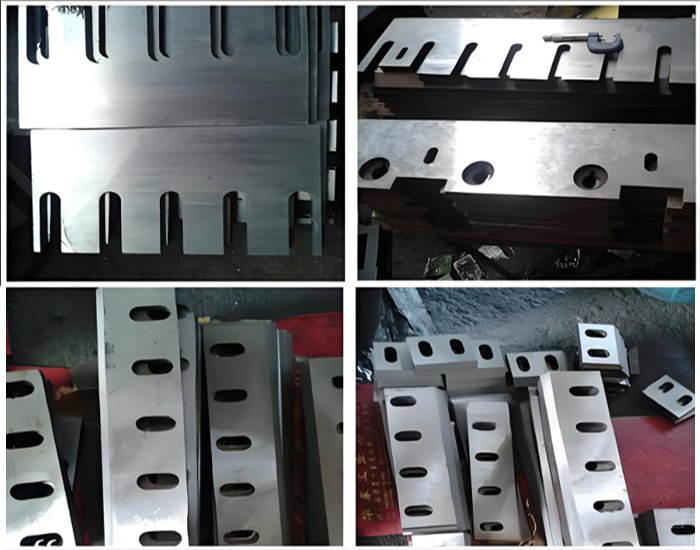
Robust Cutter Design and Materials
The cutters are the heart of the machine and face the most direct impact from nails. Unlike the thin blades or hammers in standard wood chippers/crushers, template crushers use different tools.
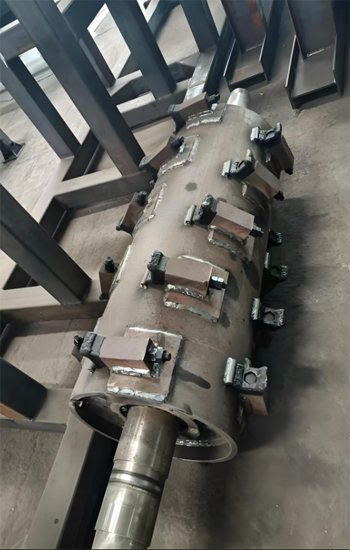
Shredders: Typically use thick, multi-toothed discs made from high-strength, wear-resistant alloy steel. These rotate at low speed but with high torque, allowing them to cut or shear through wood and even break or cut smaller nails. The thickness and toughness prevent catastrophic failure upon hitting metal.
Comprehensive Crushers: May use specially designed, reinforced hammers or blades, also made from durable alloys. The entire rotor assembly is built to withstand significant shock loads. The focus is on toughness and impact resistance over fine cutting precision.
Reinforced Machine Structure
The presence of metal means the entire machine experiences greater stress and impact forces. Therefore, template crushers require a much heavier and more robust construction compared to standard wood processing machines.
Heavy-Duty Frame: The main body or frame is built with thicker steel plates and reinforced welding to absorb impacts and vibrations without flexing or cracking.
Stronger Drive Train: The motor, gearbox (if applicable), bearings, and shafts must be oversized to handle the high torque required and the shock loads encountered when hitting incompressible metal objects. Shafts are typically made of hardened steel.
Durable Bearings: Bearings are critical components. They need to be robust and well-sealed to withstand shock loads and prevent dust ingress, which is common in this application.
Essential Protection Mechanisms
Even with robust designs, safeguards are needed.
Overload Protection: This is non-negotiable. If the machine encounters a piece of metal too large or hard to process (like a thick rebar chunk), the system must react. This usually involves sensors that detect a spike in motor current or a sudden drop in rotor speed. The system might automatically stop the machine or, in the case of many shredders, reverse the shafts briefly to dislodge the blockage, then try again. This prevents major damage to the cutters, shafts, and motor.
Magnetic Separation: While the crusher itself handles the nails during crushing, removing the metal after crushing is vital for most downstream uses. An optional but highly recommended feature is a magnetic separator installed at the discharge conveyor. This can be a powerful permanent magnet drum or an electromagnet belt that automatically pulls out nails, screws, and other ferrous metal fragments from the crushed wood material. This clean material is essential for boiler use (prevents damage) and panel production (prevents defects and press damage).
Here’s a summary of key features:
Feature
Purpose
Importance
High-Strength Cutters
Resist breakage and wear from metal impact
Reduces downtime and replacement costs
Reinforced Structure
Withstand shock loads and vibrations
Ensures machine longevity and reliability
Overload Protection
Prevent catastrophic damage from large metal
Protects major components and investment
Magnetic Separator (Opt.)
Remove ferrous metal from output material
Crucial for quality of fuel/panel material
Which Machine is Best: Shredder or Crusher for Templates?
Confused about which machine tackles templates best? Choosing wrong means inefficiency or damage. Knowing shredder vs. crusher differences ensures you pick the right tool for your needs.
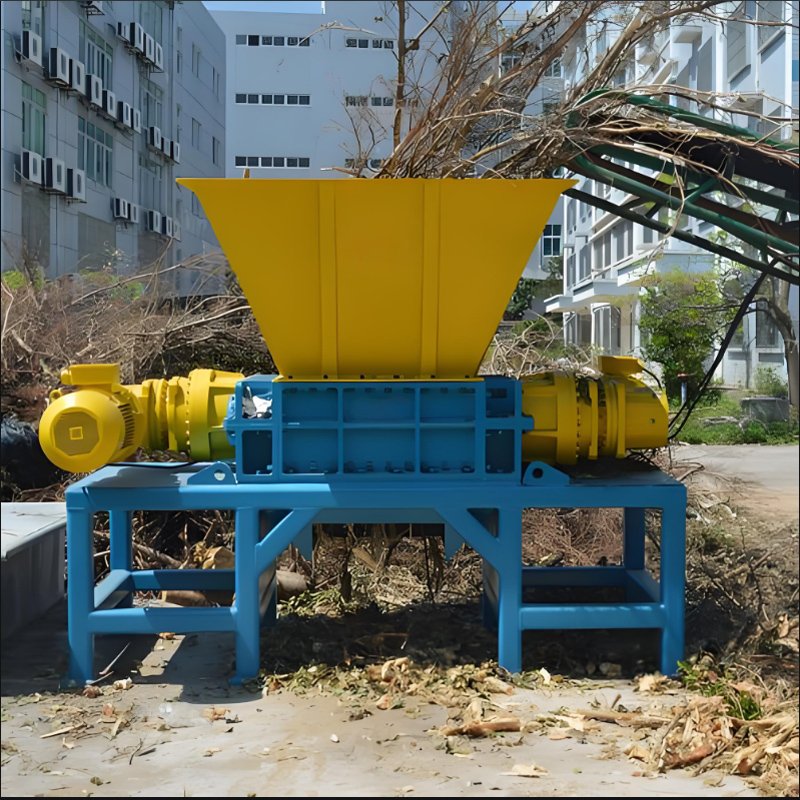
Double-shaft shredders are often preferred for templates. Their low speed, high torque, and robust cutters are highly resistant to damage from metal. Specialized “template crushers” or “comprehensive crushers,” which might blend shredding and crushing principles, are also viable options.
Choosing the right machine type is critical for efficiently and safely processing construction templates with nails. The main contenders are typically double-shaft shredders and specialized heavy-duty crushers (often called comprehensive crushers or specifically template crushers). Let’s compare them based on factors relevant to this application.
The Case for Double-Shaft Shredders
Double-shaft shredders are frequently the go-to choice for primary breakdown of bulky, contaminated waste like construction templates.
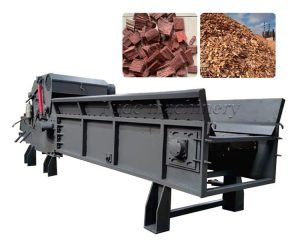
Operating Principle: They use two counter-rotating shafts fitted with thick, hook-like cutting discs. These discs intermesh, grabbing material and pulling it into the cutting zone where it’s sheared and torn apart.
Advantages:
High Torque, Low Speed: This is key. The low speed (typically 15-30 RPM) minimizes the violence of impacts with metal, reducing wear and the risk of damage. High torque allows them to power through tough materials and occasional metal pieces.
Metal Tolerance: They are inherently less sensitive to metal contamination than high-speed machines. They can often cut through smaller nails or trigger overload protection reliably if they encounter larger pieces.
Bulk Feeding: They usually have large feed openings and can handle bulky, irregular shapes effectively.
Disadvantages: Output material size is generally larger and less uniform compared to crushers. A secondary processing step (like screening or a hammer mill) might be needed if a fine, consistent output is required.
These terms often refer to machines designed specifically for challenging wood waste, including templates.
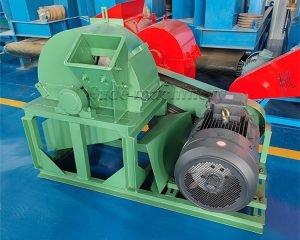
Operating Principle: They might use various mechanisms. Some are essentially very heavy-duty hammer mills with reinforced hammers, stronger screens, and robust bodies. Others might incorporate pre-shredding elements or use different impact/cutting designs compared to standard wood crushers. At Fude Machinery, our Comprehensive Crusher is designed with these challenges in mind.
Advantages: Can often produce a smaller, more consistent particle size in a single pass compared to a shredder, potentially controlled by an output screen. May offer higher throughput for certain material types compared to shredders of equivalent power.
Disadvantages: Even heavy-duty crushers can be more susceptible to wear and damage from high volumes of metal than low-speed shredders. Careful selection based on the specific design and manufacturer’s specifications regarding metal tolerance is crucial. You must verify their suitability for your level of contamination.
Key Factors for Selection
When deciding between a shredder and a specialized crusher for templates, consider these points:
Feature
Double-Shaft Shredder
Comprehensive/Template Crusher (Heavy Duty)
Metal Tolerance
Generally Very High (due to low speed/high torque)
Varies by design; Requires verification (Good-Very High)
Output Size
Larger, less uniform
Smaller, more uniform (often screen-controlled)
Input Size
Handles very bulky items well
Good, but may require some pre-sizing for largest items
Throughput
Moderate to High
Potentially High
Wear Parts Cost
Cutters can be expensive but long-lasting
Hammers/blades may wear faster, potentially lower cost per piece
Need for Secondary?
Sometimes (if fine output needed)
Less often
Ultimately, the best choice depends on your specific needs: the volume of templates, the level of contamination, the required output particle size, and your budget for initial investment and ongoing maintenance. Consulting with experienced manufacturers like us at Fude Machinery can help you select the optimal solution.
What Can You Do With Crushed Construction Templates?
Crushed your templates, now what? Landfilling is wasteful and misses potential revenue. Discover the valuable uses for this material in energy, production, and more.
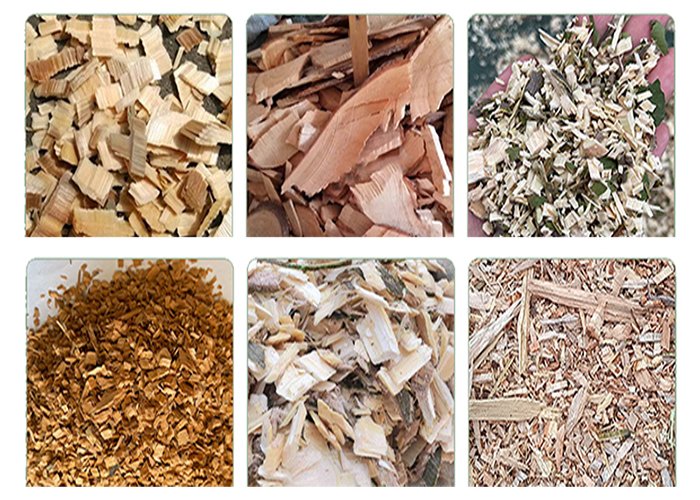
Crushed template material is commonly used as biomass fuel, provided metal is effectively removed. It can also serve as raw material for recycled wood-based panels or for producing machine-made charcoal. Even if destined for landfill, crushing significantly reduces volume and disposal costs.
Processing waste construction templates doesn’t end with crushing. The goal is usually to turn this problematic waste stream into something useful or, at minimum, cheaper to dispose of. The crushed material, often resembling wood chips or shreds, has several potential destinations. The viability of each depends heavily on the quality of the crushed material, particularly the effectiveness of metal removal.
Biomass Fuel: The Primary Outlet
This is one of the most common uses. Many industrial boilers and biomass power plants accept processed wood waste as fuel.
Requirements: The most critical requirement is near-complete removal of ferrous metals (nails, screws). Metal entering a boiler’s combustion chamber or fuel handling system can cause significant damage and operational problems. Material size consistency might also be specified by the end-user. The presence of glues, paints, or plastic coatings on the templates might affect emissions, so the power plant must have appropriate flue gas treatment systems.
Value: Provides a renewable energy source and diverts waste from landfills. The price paid for biomass fuel varies depending on quality, moisture content, and market demand.
Recycled Panels: A Higher Value Path
The crushed wood can be used as a component in manufacturing recycled wood-based panels like particleboard or Medium Density Fiberboard (MDF).
Requirements: This application typically has stricter quality requirements. Metal removal must be extremely thorough, as even small metal pieces can damage expensive hot presses used in panel production. Particle size needs to be controlled, often requiring screening and potentially further milling. Contamination from concrete, plastics, or excessive amounts of glue can also be problematic and may need to be minimized through sorting or cleaning processes.
Value: This represents a higher-value recycling route compared to fuel, contributing to the circular economy by turning waste wood back into building materials.
Other Uses and Considerations
Machine-Made Charcoal Production: The crushed wood chips can be used as feedstock for pyrolysis or carbonization plants to produce charcoal briquettes. Again, metal removal is important.
Animal Bedding/Compost: If the source templates are known to be clean (e.g., untreated wood, minimal glue), the crushed material might potentially be used for animal bedding or as a bulking agent in composting, but contamination concerns often limit this.
Low-Grade Fill/Landscaping: In some cases, if recycling options are limited, the crushed material might be used as temporary road base, slope stabilization, or ground cover, but this is generally considered a low-value application.
Reduced Landfill Volume: Even if the material cannot be recycled due to excessive contamination or lack of local markets, crushing still provides value. The significant volume reduction achieved drastically lowers transportation costs to the landfill and reduces the landfill space consumed, saving on disposal fees.
Here’s a summary of potential end uses:
End Use
Key Requirements
Potential Value
Biomass Fuel
Thorough metal removal, size consistency
Moderate (Energy Recovery)
Recycled Wood Panels
Stringent metal/contaminant removal, sizing
High (Material Recycling)
Machine-Made Charcoal
Metal removal, suitable wood composition
Moderate (Fuel Product)
Landfill (Reduced Vol.)
Compliance with landfill acceptance criteria
Low (Cost Savings on Disposal)
The best destination for your crushed templates depends on local market demand, the capabilities of your processing line (especially contaminant removal), and the quality of the input material.
Conclusion
Template crushers are robust machines designed for contaminated wood waste. They reduce costs, enable recycling, and transform difficult waste into valuable resources for various industries.
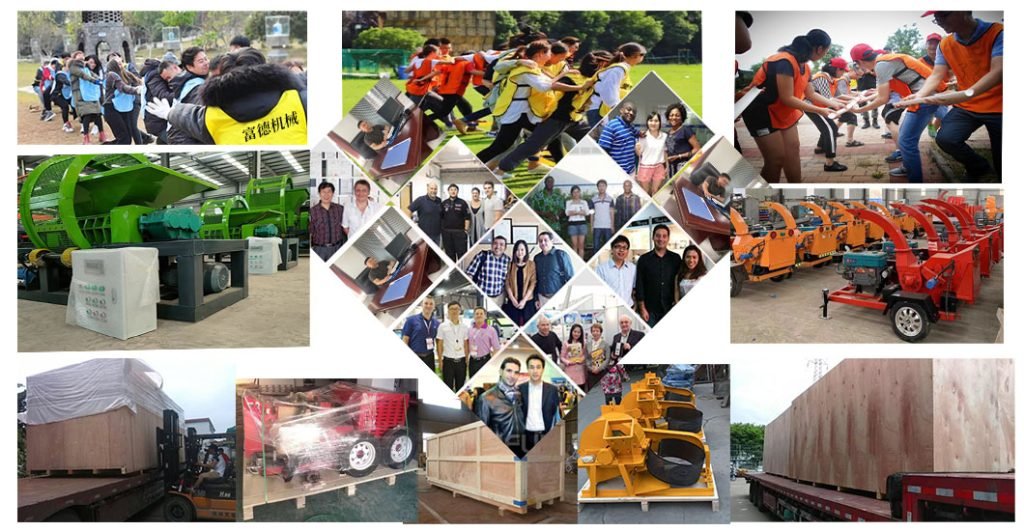
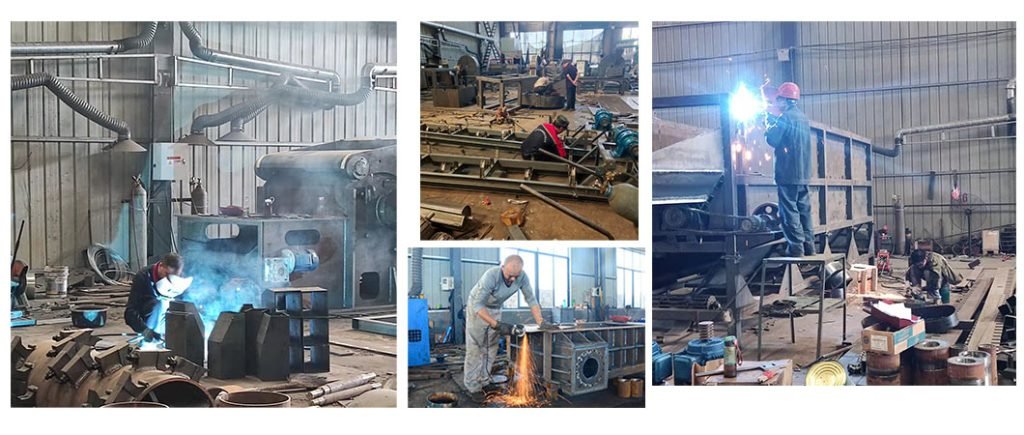
FuDe Machinery integrates research and development, manufacturing, and sales. We have a professional technical team that deeply understands customer needs, recommends and answers equipment questions for customers, and teaches operation techniques. If you want to learn about the processing industry, please consult us.
Piles of branches creating headaches and disposal costs? You know there must be a better way than hauling away bulky green waste or risky burning. Branch crushers (like chippers or shredders) primarily exist to drastically reduce the volume of ...
 Fude Machinery-wood crusher manufacturer
HelloPlease log in