The Advancements of Horizontal Carbonization Furnaces in Charcoal Production
Charcoal, a popular and versatile fuel source, has been produced using traditional methods for centuries. However, advancements in technology have led to the development of horizontal carbonization furnaces, transforming the way charcoal is produced. This article explores the technology behind horizontal carbonization furnaces and how they have revolutionized the charcoal production industry.
The Evolution of Charcoal Production
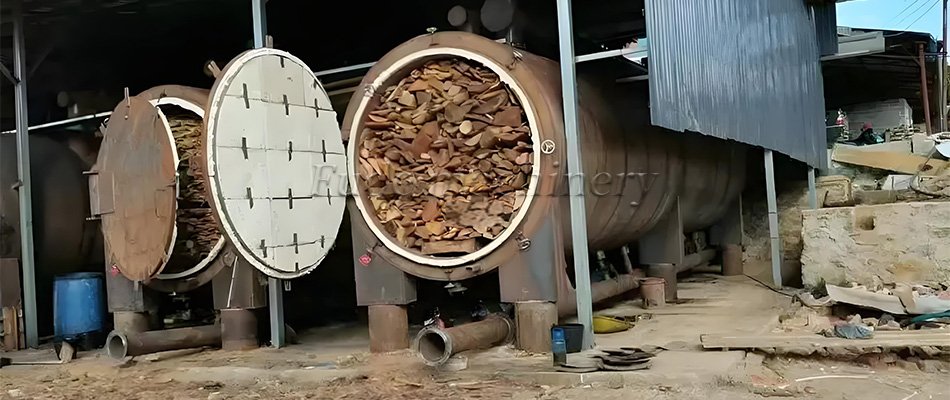
Historically, charcoal production involved the slow combustion of wood in traditional kilns or pits, a process that was labor-intensive and time-consuming. While this method was effective in producing charcoal, it often resulted in inconsistent quality and energy inefficiency. With the growing demand for sustainable and efficient charcoal production methods, the need for innovation became apparent.
Enter the Horizontal Carbonization Furnace
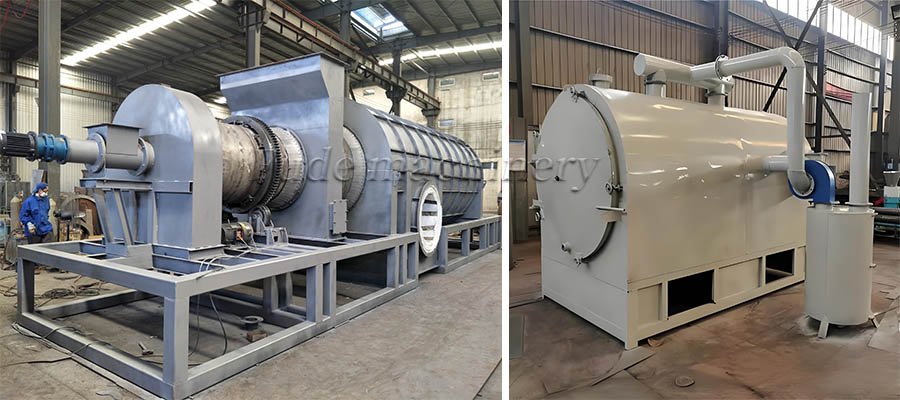
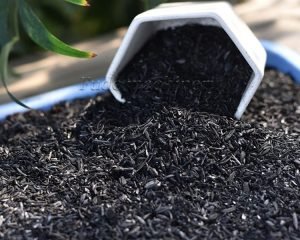
Horizontal carbonization furnaces represent a significant technological advancement in charcoal production. These modern furnaces are designed to carbonize biomass materials such as wood chips, sawdust, and agricultural waste in a controlled and efficient manner. Unlike traditional kilns, horizontal carbonization furnaces operate with greater precision and automation, resulting in higher quality charcoal and increased production capacity.
Technology Behind Horizontal Carbonization Furnaces
The key component of a horizontal carbonization furnace is its horizontal design, which allows for a continuous and uniform carbonization process. The furnace is equipped with a feeding system that continuously feeds the biomass material into the carbonization chamber. Once inside the chamber, the material undergoes a pyrolysis process at high temperatures, converting it into charcoal while releasing gases such as methane and carbon monoxide.
One of the main technological innovations of horizontal carbonization furnaces is their ability to control the carbonization process through advanced monitoring and regulation systems. Temperature, airflow, and pressure levels are carefully monitored and adjusted to optimize the carbonization process and ensure consistent charcoal quality. Additionally, the furnaces are equipped with exhaust systems that capture and recycle gases produced during carbonization, making the process more environmentally friendly.
Benefits of Horizontal Carbonization Furnaces
Horizontal carbonization furnaces offer a range of benefits compared to traditional charcoal production methods. One of the primary advantages is their efficiency and productivity. These furnaces can process large quantities of biomass material in a shorter time frame, increasing production output and reducing production costs. Additionally, the controlled carbonization process results in higher quality charcoal with consistent properties, making it more attractive to consumers.
Another significant benefit of horizontal type carbonization furnaces is their environmental sustainability. By capturing and recycling gases emitted during the carbonization process, these furnaces help reduce greenhouse gas emissions and minimize environmental impact. The use of biomass materials also contributes to the overall sustainability of charcoal production, as it utilizes renewable resources and reduces reliance on traditional wood sources.
Horizontal carbonization furnaces have revolutionized the charcoal production industry by incorporating advanced technology to improve efficiency, quality, and sustainability. These innovative furnaces offer a more controlled and automated carbonization process, resulting in higher quality charcoal products and increased production capacity. As the demand for sustainable fuel sources continues to grow, horizontal carbonization furnaces are poised to play a crucial role in meeting these needs and driving the industry forward. If you are interested in our charcoal making machines and charcoal production lines, Please consult us at Fude Machinery!
 Fude Machinery-wood crusher manufacturer

HelloPlease log in