Rice husks, often seen as waste from the agricultural industry, are being increasingly recognized for their potential as a valuable resource. With the development of rice husk production lines, these byproducts are being transformed into high-quality materials that serve a variety of purposes. This article will explore the benefits and advantages of utilizing a rice husk production line.
Utilization of Agricultural Waste
The rice industry generates large quantities of agricultural waste, with rice husks being one of the most common byproducts. Traditionally, these husks were either burned or discarded, leading to environmental pollution and wastage. However, with the introduction of rice husk production lines, these husks are now being repurposed into valuable materials, contributing to a more sustainable and environmentally friendly approach to waste management.
Biofuel Production
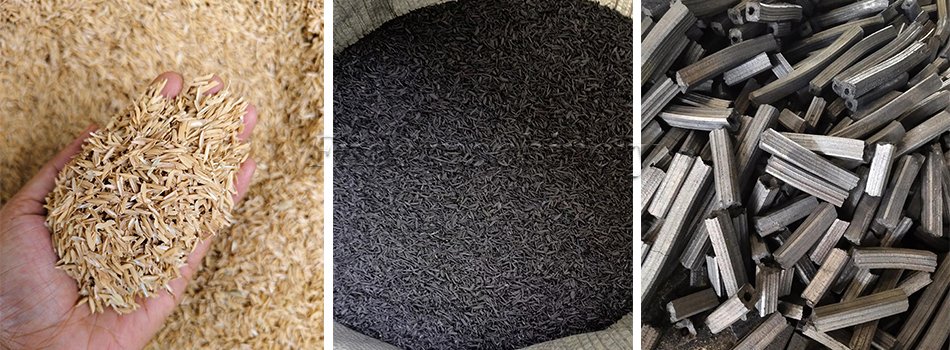
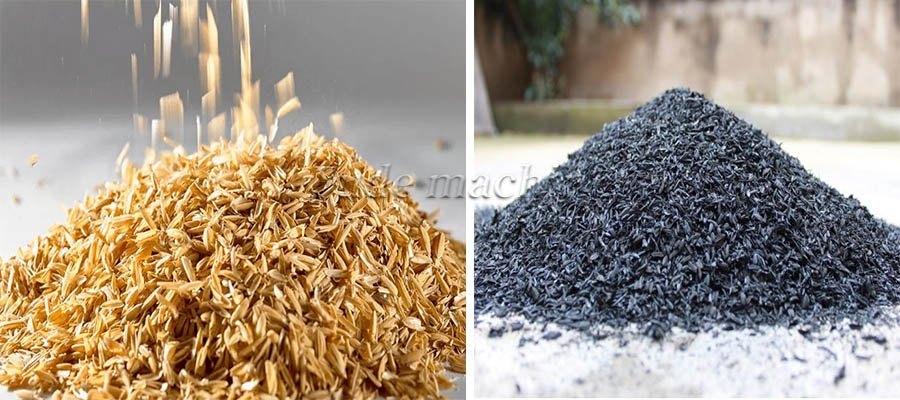
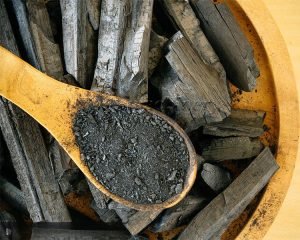
One of the primary uses of rice husks in a production line is the production of biofuels. Through a p rocess known as pyrolysis, rice husks can be converted into biochar, a type of charcoal that can be used as a renewable energy source. Biochar has the potential to replace traditional fossil fuels, reducing greenhouse gas emissions and mitigating climate change. By utilizing rice husks in biofuel production, we not only reduce waste but also contribute to a cleaner and more sustainable energy sector.
Environmental Benefits
The utilization of rice husks in a production line offers a range of environmental benefits. By repurposing agricultural waste, we are reducing the amount of waste that ends up in landfills or is burned, leading to air pollution. This, in turn, helps in reducing greenhouse gas emissions and mitigating the impact of climate change. Additionally, the production of biofuels and animal feed from rice husks helps in conserving natural resources and reduces the reliance on traditional fossil fuels and feed sources.
Economic Opportunity
Apart from the environmental benefits, a rice husk production line also presents significant economic opportunities. By converting rice husks into valuable materials such as biofuels and animal feed, we are creating new revenue streams and industries. This not only provides job opportunities but also stimulates economic growth in rural areas where rice cultivation is predominant. The utilization of rice husks in a production line can help in creating a more sustainable and resilient agricultural sector.
Working principle of rice husk charcoal production line
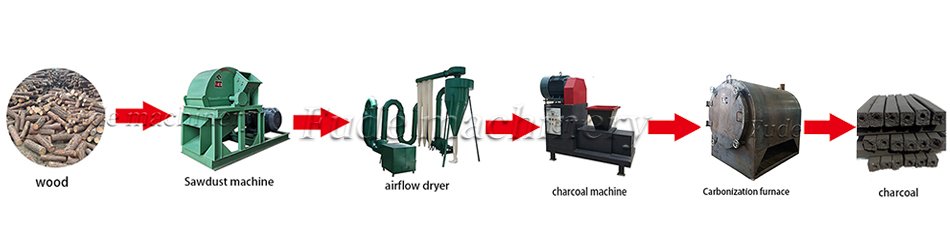
The working principle of rice husk charcoal production line is as follows: rice husk is transported to the continuous charcoal furnace through the feeding device, the furnace adopts the double-cylinder rotating structure, the temperature of the inner cylinder is lower for drying and pre-carbonization of rice husk, and the temperature of the outer cylinder is higher (usually around 400℃) to complete the deep carbonization, the furnace maintains the anaerobic or low-oxygen environment, the rice husk is moved to the outer cylinder to complete the pyrolysis reaction under the push of the spiral infiltration plate, and the rice husk charcoal generated is cooled by the water-cooling device to reduce the temperature from hundreds of degrees Celsius to around 30℃ to avoid the recombustion. The water-cooling device reduces the temperature from hundreds of degrees Celsius to about 30 degrees Celsius to avoid rekindling, and finally the finished products are collected through the sealed charcoal outlet, which realizes the whole process of continuous feeding, charring and discharging, and the combustible gas produced by charring can be recycled and utilized in the heating system, forming a closed-loop production process with high efficiency and energy-saving.
In conclusion, the utilization of rice husks in a production line offers a range of benefits, from environmental sustainability to economic opportunities. By harnessing the power of these agricultural byproducts, we are not only reducing waste but also creating valuable resources that contribute to a more sustainable and circular economy. The development and adoption of rice husk production lines represent a significant step towards a greener and more sustainable future. If you would like to learn more about the charcoal production machines and production lines,Please consult us at Fude Machinery!
Rice husk, a byproduct of rice milling, is often considered agricultural waste. However, it holds significant potential as a material for making charcoal briquettes. Transforming rice husk into charcoal briquettes can provide an eco-friendly, sus...
Wood powdered activated carbon and coconut shell charcoal are two types of activated carbon that are often used in daily life. Both have the characteristics of relatively large areas and developed void structures. What is the difference between t...
Wood biochar briquettes are an eco-friendly and sustainable fuel source derived from waste wood materials. These briquettes serve as an excellent alternative to traditional fossil fuels, offering both environmental and economic benefits. The prod...
 Fude Machinery-wood crusher manufacturer


HelloPlease log in