Need power? Want to use natural materials? Biomass energy is a good choice. It uses organic stuff for power.
The main sources of biomass energy are wood and forest residues, agricultural crops and residues, waste materials, and energy crops. These materials can be burned directly or converted into other fuels.
People want to use energy from plants. This energy is clean. Biomass gives us that energy. It comes from many places.
Where does wood biomass come from?
Old wood lying around causes problems. You need to clean it up. You can use this wood for energy.
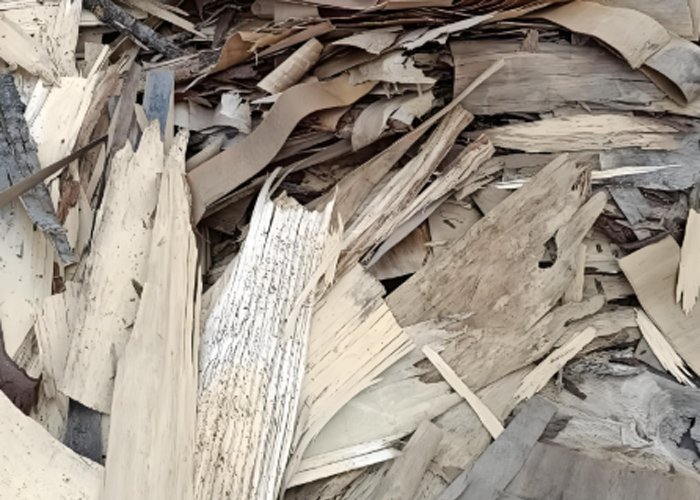
Wood biomass comes from forests, wood processing, and old wood products. This includes tree branches, sawdust, and old furniture.
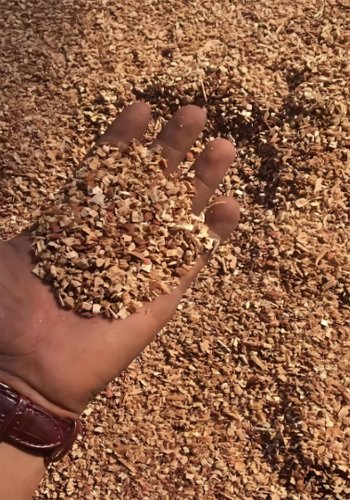
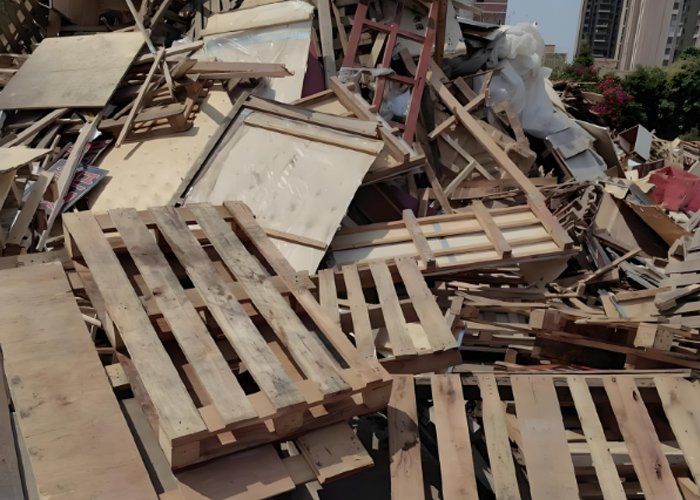
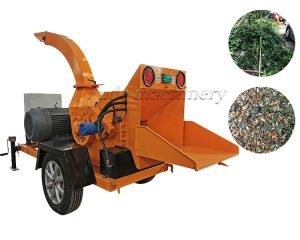
Wood is a big source of biomass energy. It comes from trees. When people cut trees, they leave parts behind. These parts are residues. For example, branches and tops of trees. Wood mills also make waste. They produce sawdust, wood chips, and bark. Old wood structures and furniture are also wood waste. You cannot use them anymore. But they have energy inside. People collect these wood materials. They put them into machines. Our machines can handle many kinds of wood.
Types of Wood Biomass
Wood biomass comes in different forms. Each form works for different things.
Forest Residues: Parts of trees left after logging.
Branches, tops, roots.
Needs chipping or crushing.
Wood Processing Waste: Leftovers from making wood products.
Sawdust, shavings, bark, wood chips.
Often ready for use or needs minimal processing.
Urban Wood Waste: Wood from cities.
Old furniture, construction wood, pallets.
Needs crushing to remove metal and paint.
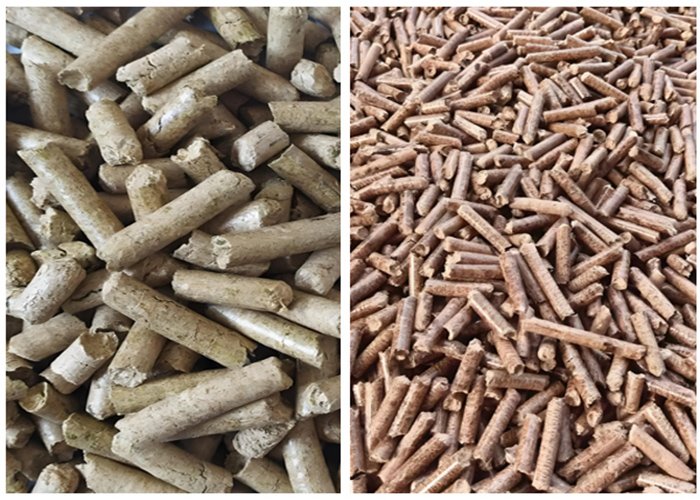
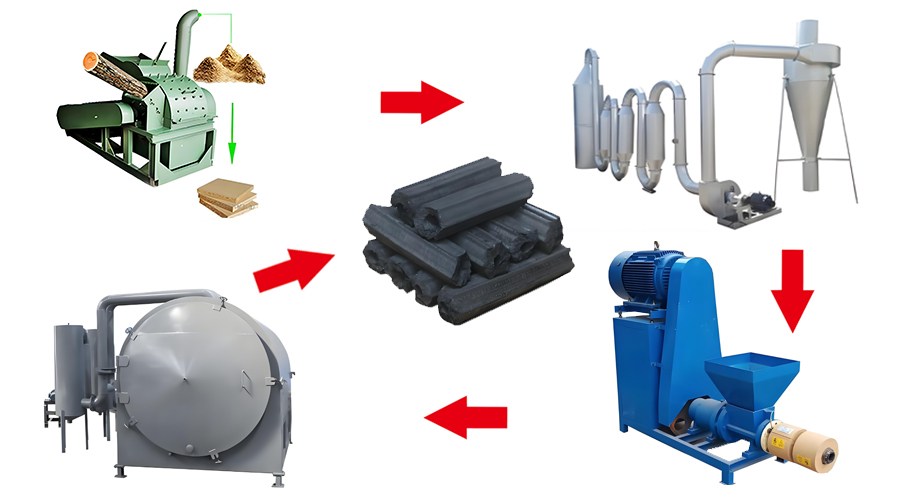
These materials are dry. They burn well. They can also become wood pellets. Our pellet machines use processed wood. You need wood chips or sawdust first. Our crushers make that happen. The wood chips then go to the pellet machine. Pellets are easy to store. They are easy to transport. They make good fuel. Wood biomass is easy to get in many places. People like it. Our machines help people use wood waste. We make wood crushers. We make wood chippers. We make pellet machines. They turn waste wood into useful energy sources.
Can farm waste make energy?
Farming creates a lot of waste. This waste can be a problem. But you can use it for good things.
Yes, farm waste can make energy. This includes stalks, husks, manure, and spoiled crops. Farmers can turn these materials into fuel or biogas.
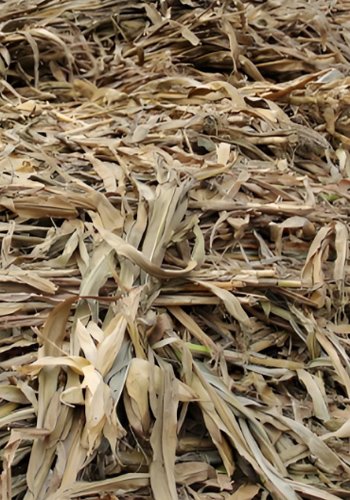
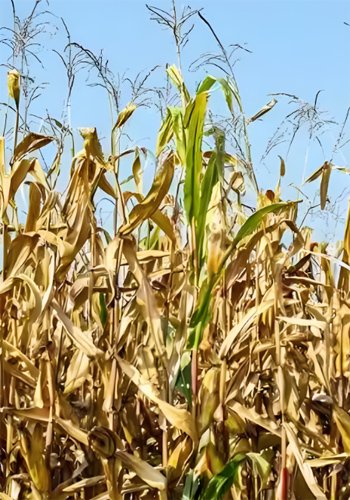
When farmers plant crops, they receive unsold plant parts. These are agricultural residues. For example, corn stover, wheat stover, rice husk, and sugarcane waste. Animal farms also produce biomass. Animal manure is a great source. Rotten crops that cannot be consumed are also biomass. These materials are everywhere. They are an important source of organic matter. You can directly burn some of them. But usually, you need to process them and turn them into biomass based fuels.
Processing Agricultural Biomass
Processing makes agricultural biomass useful for energy. The method changes based on the material.
Agricultural residues can be burned directly. But they are often bulky. Crushing makes them smaller. This helps with transport and storage. Our straw crushers are good for stalks and straw. They make small pieces. These pieces can be burned. They can also go into pellet machines. Pellets from straw are also good fuel. Farmers can use these pellets on their farm. Or they can sell them. Our machines help farmers use their waste. They get energy. They also clean up their farm. Manure is different. It often goes into digesters. These make biogas. Biogas is used for heat or electricity. Some agricultural materials, like corn cobs and straw, can also be used to make charcoal. Our charcoal machines can process materials like straw or sawdust, which come from crushing wood or agricultural waste.
What is the role of charcoal machines in the field of biomass energy?
As a core technology equipment for biomass energy conversion and utilization, charcoal machines convert waste biomass into high value-added products through processes such as pyrolysis and carbonization, playing a key role in resource recycling, environmental protection, energy substitution, and economic development.
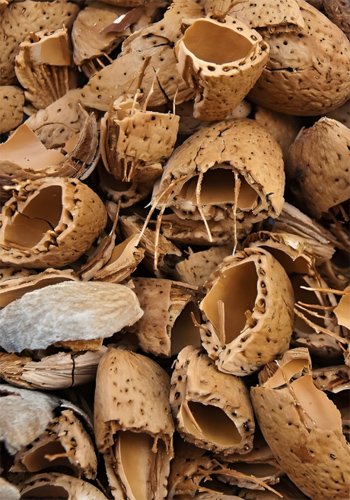
Charcoal machines use pyrolysis technology (high-temperature decomposition of biomass in anaerobic environments) to convert waste biomass such as agricultural straw, forestry residues, and fruit shells into high-value products such as charcoal (with a carbon content of 60-80%), combustible gases, wood vinegar, and tar.
Charcoal machines can significantly reduce PM2.5 and CO ₂ emissions through centralized processing. Biochar can enhance soil water holding capacity, regulate pH, and adsorb heavy metals, helping to restore degraded farmland.
The biochar produced by the charcoal machine has high stability, and each ton of biochar can store about 3 tons of CO ₂ equivalent.
Charcoal machine is a pivotal technology that connects biomass resource utilization with low-carbon economy. Its role is not limited to energy substitution, but also achieves triple benefits of environmental governance, agricultural efficiency improvement, and industrial upgrading through a circular economy model. In the future, it is necessary to further unleash its potential in the global energy transition through technological innovation, policy guidance, and international cooperation.
What about special energy plants?
Some plants grow just for energy. They grow very fast. They need less land than food crops.
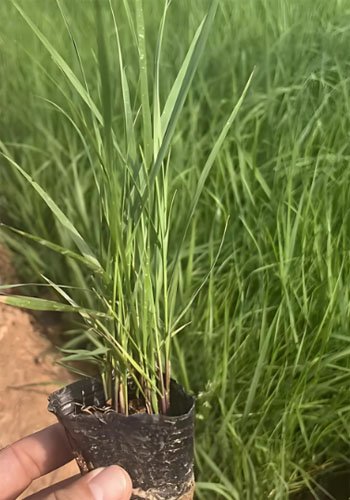
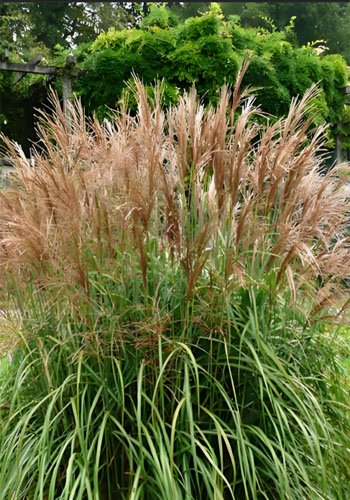
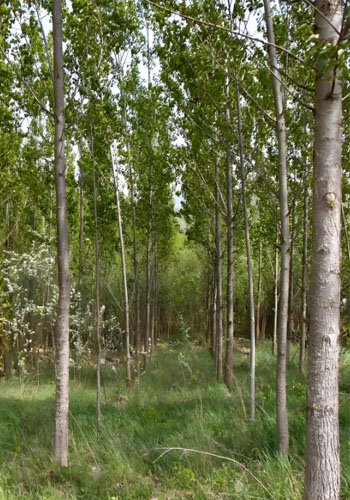
These are called energy crops. They are fast-growing plants like switchgrass, miscanthus, willow, and poplar. People plant them specifically to harvest for biomass fuel.
Energy crops are plants grown on purpose. People do not grow them for food. They grow them for energy. These plants grow very fast. They make a lot of biomass quickly. Examples are switchgrass, miscanthus, willow, and poplar trees. They are planted on land that is not good for food crops. Growing energy crops helps reduce using land needed for food. They are harvested regularly. The plant material is then used for energy. They are a sustainable source. You can plant them again after harvesting.
Processing Energy Crops
Energy crops need processing after harvest. The method depends on the crop type.
Energy grasses are like straw. Our straw crushers can process them. They make small pieces. These pieces are good for making pellets. Our pellet machines work well with processed grasses. Short rotation trees are like wood. They need chipping or crushing. Our wood chippers and crushers are perfect for this. The chips or crushed wood can be burned. Or they can be used for pellets. Bamboo is also a fast-growing plant. It is used for energy. Our machines can chip or crush bamboo. Bamboo can also be carbonized. Our carbonization furnaces can turn bamboo materials into bamboo charcoal. This is another form of energy. Energy crops are a good way to get biomass. They are grown specifically for energy. Our machines help turn these crops into usable fuel.
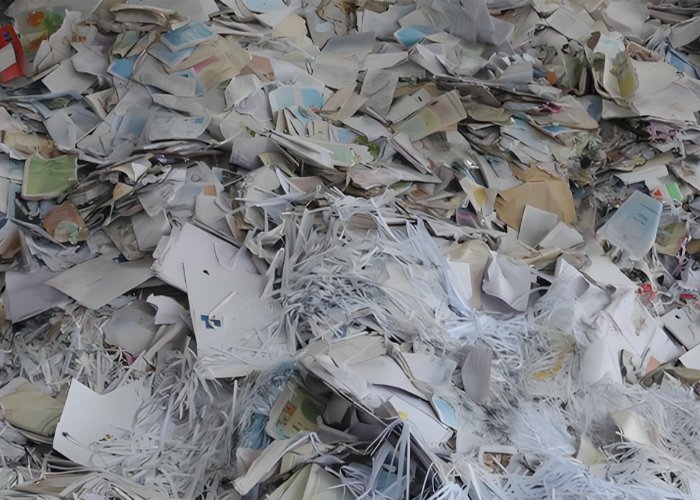
Biomass energy comes from many organic sources. Wood, farm waste, garbage, and energy crops are key. Zhengzhou Fude Machinery’s equipment processes these materials.
If you want to know more about processing equipment, you can consult us at any time.
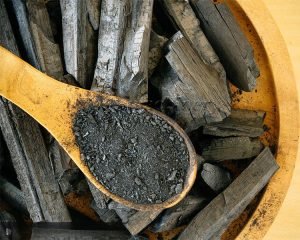
Wood biochar briquettes are an eco-friendly and sustainable fuel source derived from waste wood materials. These briquettes serve as an excellent alternative to traditional fossil fuels, offering both environmental and economic benefits. The prod...
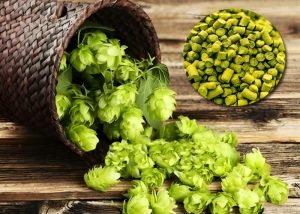
What are Hops? Hops are the pine-cone shaped flowers of a climbingvine that is native to the temperature regions of NorthAmerica, Europe and Asia. The plant has male andfemale bines, but only the female bines develop conesIn brewery, hops pro...
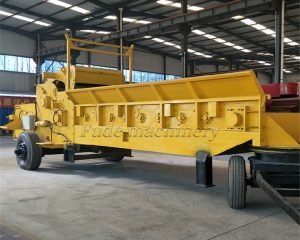
 Fude Machinery-wood crusher manufacturer

HelloPlease log in