You want to use biomass for energy? Choosing the right method matters. I know about turning wood and waste into power.
Main biomass energy methods are burning, gasification, pyrolysis, and making pellets or charcoal. These change raw materials into useful heat or fuel.
You have biomass material. You need to turn it into energy. Different ways work for different needs. I help people get the right machines for these jobs. My machines take the raw wood or waste and make it ready. Then you use the energy method you choose.
What is Biomass Combustion Doing?
Burning wood for heat is old. But how does it make modern energy? I can explain this simple way.
Biomass combustion burns raw biomass material directly. This creates heat. People use this heat for electricity, heating buildings, or industrial processes.
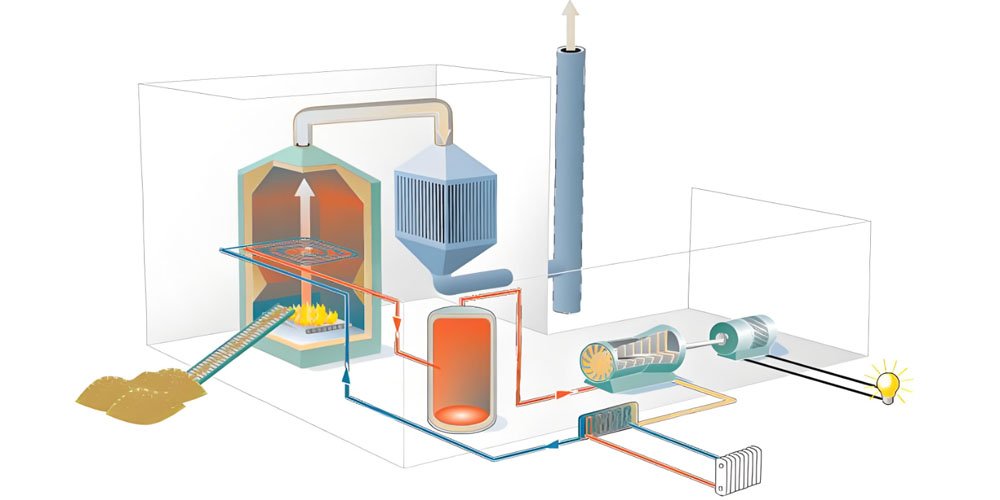
Combustion is the most common way to use biomass for energy. It is simple. You put biomass fuel into a boiler or furnace. You add air. The fuel burns. This makes hot gas. The hot gas heats water to make steam. People use the steam to turn a turbine. The turbine makes electricity. Or they use the hot gas or steam for heating or other uses.
Preparing the fuel is important. You need to break down large pieces. Logs and branches are too big. You need small, even-sized pieces. This helps the fuel burn well and steady. My machines do this work. We have wood chippers. These machines cut wood into small chips. We also have wood crushers. These machines break down waste wood or other materials into smaller parts. The size of the pieces must be right for the boiler. Different boilers need different sizes. A consistent size is important. It makes the feeding system work well. It makes the burning process efficient. If pieces are too big, they do not burn all the way. If pieces are too small, they can cause problems too. So, getting the size right is key. My machines help you get the right size.
How My Machines Help in Combustion
Wood Chippers: These make wood chips from logs or branches. Chips are good fuel for some boilers.
Wood Crushers: These break down other biomass waste like pallets or construction wood. They make smaller pieces.
Screening: Sometimes you need a screen to get just the right size pieces. We can add this to the line.
You feed the prepared fuel into the combustion system. The system burns it. It makes heat or electricity. This is a direct way to get energy from biomass. My machines make sure the fuel is ready for this.
What is Biomass Gasification Doing?
You hear about gas from biomass? This method is different from burning. I will tell you how it works simply.
Biomass gasification heats biomass with little air. This makes a gas called syngas. Syngas can power engines or turbines.
Gasification takes solid biomass. It turns it into a fuel gas. This happens in a special machine called a gasifier. Inside the gasifier, you heat the biomass to high temperatures. You add only a little bit of air or oxygen. This is not enough air for the biomass to burn completely. Instead, it breaks down. It makes a mix of gases. This gas mix is called syngas. Syngas mainly has carbon monoxide, hydrogen, methane, and nitrogen. Syngas is a fuel. You can burn syngas cleanly. You can use it in engines like those in cars or power plants. You can also use syngas in gas turbines to make electricity. Or you can use syngas to make other chemicals or fuels.
The type and size of biomass fuel matter a lot for gasification. The gasifier needs fuel pieces that are a certain size. They should be uniform. If the pieces are too big or too small, it causes problems inside the gasifier. It affects how well the process works. It affects the quality of the syngas. My machines help prepare the fuel for gasification. We have crushers and chippers. These machines break down wood or other biomass into the right size. We can give you machines that make wood chips or sawdust. We can also make machines that process agricultural waste like straw or corn stalks. The material needs to be dry too. Gasification works best with dry material. So, sometimes you need a dryer before gasification. My machines help you get the biomass ready. They make sure the size is right. This step is critical for the gasifier to work properly.
Gasification is a clean way to make energy. It uses biomass waste. My machines help you prepare this waste. This makes the gasification process work well.
What is Biomass Pelleting Doing?
Turning loose wood waste into small fuel bits? Pelleting makes biomass easy to handle. I build machines for this.
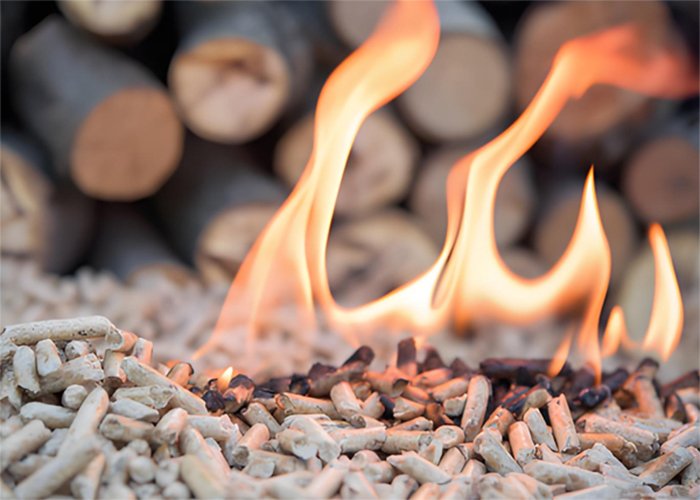
Biomass pelleting compresses crushed biomass into dense pellets. This makes fuel easy to store and transport. Pellets burn cleanly in special stoves or boilers.
Pelleting is a process that takes loose biomass material. It presses it into small, hard cylinders called pellets. Pellets are much denser than the raw material. This makes them easy to store and transport. They flow like a liquid. This allows for automatic feeding systems in stoves and boilers. Pellets also have a low moisture content. They burn very efficiently and cleanly. Wood pellets are a popular type of biomass fuel for heating homes and buildings. They are also used in larger power plants. The process of making pellets involves several steps. First, you need to size reduce the raw material. You need it to be very fine. Sawdust or material crushed to a fine powder is needed. Then you must dry the material. The moisture content needs to be just right, usually around 10-15%. Too much moisture or too little will stop the pellets from forming correctly. After drying and crushing, you feed the material into a pellet mill. The pellet mill uses rollers to force the material through small holes in a die. The pressure and heat make the material stick together. It forms dense pellets.
My machines are essential for the first steps of pelleting. The raw material needs to be crushed into small particles. My wood crushers and hammer mills do this job. They can take wood chips, sawdust, straw, or other biomass and grind it down. The size needs to be 3-5mm or even smaller. Then, you must dry the material. My rotary dryers are perfect for this. They reduce the moisture content to the level needed for pelleting. After these steps, the material is ready for the pellet mill. Fude makes pellet mills. We have flat die pellet mills and ring die pellet mills. We can help you choose the right one for your material and needed output. We offer complete pellet production lines. This means we provide all the machines from start to finish: crushing, drying, pelleting, cooling, and packaging.
How My Machines Help in Pelleting
Wood Crusher / Hammer Mill: Grinds biomass into fine particles (3-5mm).
Rotary Dryer: Reduces moisture content to required level (10-15%).
Pellet Mill (Flat Die / Ring Die): Forms the pellets.
Cooler: Cools down the hot pellets.
Packaging Machine: Bags the finished pellets.
Pelleting turns loose biomass into a useful, easy fuel. My machines cover all the steps needed to make good quality pellets.
What is Biomass Briquetting Doing?
Making wood waste into solid logs or briquettes? Briquetting uses pressure. I offer full lines for this.
Biomass briquetting presses biomass into dense logs or blocks. This creates a clean-burning fuel. People use briquettes in stoves or convert them to charcoal.
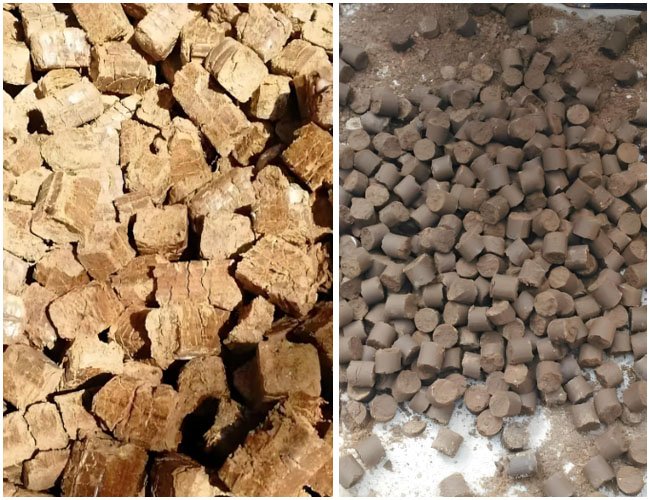
Briquetting is similar to pelleting but makes larger fuel shapes. It takes crushed biomass material. It uses high pressure to form it into dense blocks, logs, or other shapes. These shapes are called briquettes. Briquettes are denser than the original material. They are easy to handle and store. They burn longer and more evenly than raw biomass. Briquettes are often used in stoves and boilers for heating. A very common use for biomass briquettes is to turn them into charcoal. This process is called carbonization. Carbonized briquettes are known as machine-made charcoal or mechanism charcoal. This type of charcoal is popular for cooking and heating. It burns cleanly and for a long time.
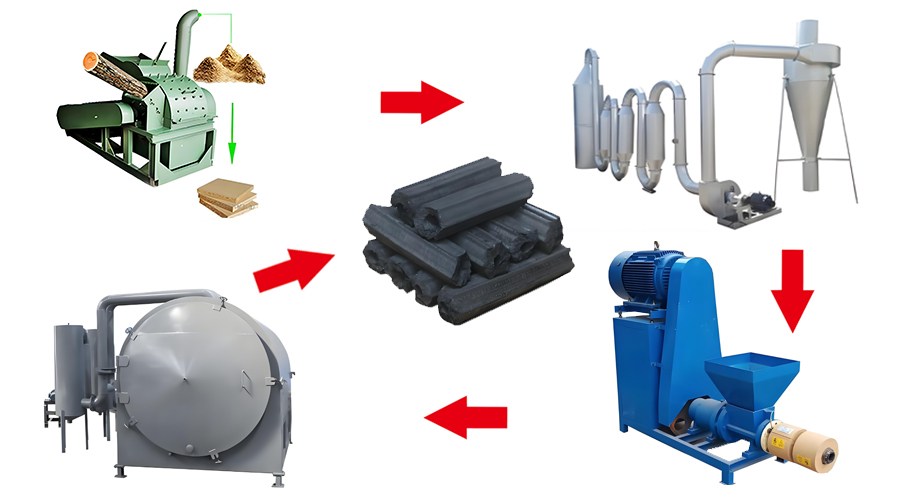
The process to make briquettes also starts with preparing the raw material. You need to crush the biomass. The size needed for briquetting is usually a few millimeters, like sawdust or fine particles from crushing. You also need to control the moisture content. It must be low, typically around 8-12%. If the material is too wet or too dry, the briquettes will not hold their shape. After crushing and drying, the material goes into a briquetting machine. There are different types, like screw presses or piston presses. These machines apply high pressure. This makes the material bind together. Lignin in the wood acts as a natural glue when heated under pressure. After forming the briquettes, you might need to cool them. If you want to make charcoal, the briquettes then go into a carbonization furnace. This furnace heats the briquettes without air. This turns them into charcoal briquettes.
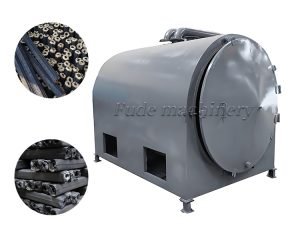
My machines are key parts of the briquetting and charcoal production line. You need to crush the material first. My wood crushers and hammer mills can do this. They make the material the right size. You need to dry the material next. My rotary dryers control the moisture. Then, my briquette machines press the material into shape. If you want charcoal, my carbonization furnaces do that step. I offer complete production lines for making machine-made charcoal. This includes all the equipment: crushers, dryers, briquette machines, and carbonization furnaces. We provide everything needed from the raw biomass to the final charcoal briquettes.
How My Machines Help in Briquetting
Wood Crusher / Hammer Mill: Grinds biomass into fine particles (3-8mm).
Rotary Dryer: Reduces moisture content to required level (8-12%).
When choosing a wood slicer, the following aspects can be considered: In summary, when choosing a wood slicer, multiple factors need to be considered, including usage requirements, type selection, manufacturer factors, equipment performance and pa...
A carbonization furnace is an environmentally friendly equipment used to convert organic matter into charcoal. It adopts advanced material carbonization technology to recycle and purify combustible gases such as carbon monoxide and methane generat...
There are many coconut shell charcoal products on the market, but the quality varies greatly, this is because the charcoal processors have not mastered the method of processing high-quality coconut charcoal briquettes at the time of production. In...
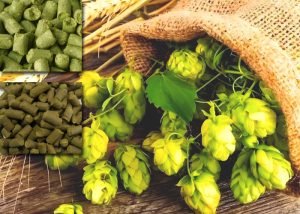
If your materials are wood, logs, rice husk, straws,etc., please learn more about small woodpellet mill and ring die wood pellet mill. Hops pellets are prepared from leaf hops which have been hammer-milled into a powder and the powder subsequently...
 Fude Machinery-wood crusher manufacturer






HelloPlease log in