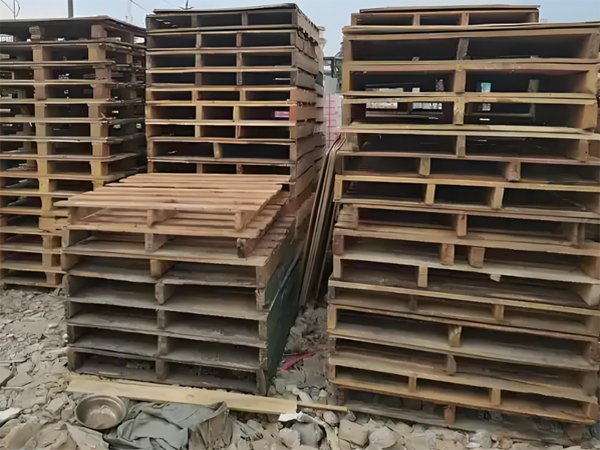
Got piles of old wood pallets cluttering your space? They’re bulky, often full of nails, and a real hassle to handle or dispose of. A wood pallet shredder is built specifically to tackle this tough job.
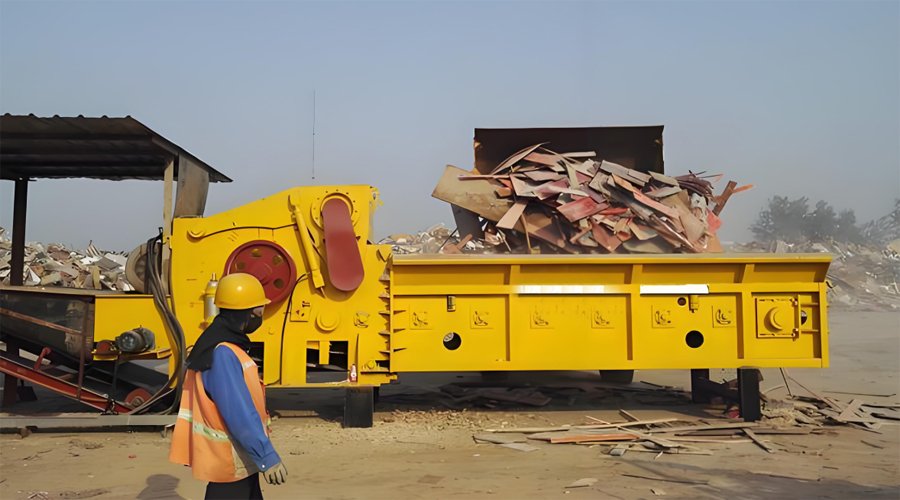
A wood pallet shredder is a heavy-duty machine designed to break down waste wood pallets. Crucially, it’s built tough enough to handle the nails and metal fasteners common in pallets, unlike standard wood chippers.
You see these machines solving big problems for businesses handling logistics, recycling, or manufacturing waste. But why exactly do you need a special machine just for pallets? Standard wood chippers exist, after all. As experts at Fude Machinery, we know the difference is critical. Let’s explore the core reasons and the types of machines best suited for this demanding task.
Why Do Wood Pallets Need Special Shredding?
Old, broken pallets pile up quickly. They take up valuable yard or warehouse space. Getting rid of them costs money, whether for hauling or landfill fees.
Special shredding is needed primarily to drastically reduce the huge volume of pallets. This cuts storage and transport costs. It also prepares the wood for recycling or disposal, handling tough nails safely.
The need for dedicated pallet shredding stems from several key challenges these items present. Simply stacking them isn’t a long-term solution, and manual dismantling is slow and dangerous. Machine processing offers clear advantages, but only if the machine is right for the job.
Massive Volume Reduction
This is the most obvious benefit. Whole pallets are bulky and awkward. Shredding them into chips or chunks reduces their volume dramatically, often by 70-80% or more. Suddenly, that mountain of pallets shrinks to a manageable pile. This frees up significant space in your facility.
Significant Cost Savings
Less volume means lower costs. You’ll need fewer truck trips to haul the material away, saving on fuel and driver time. If you pay disposal fees based on volume or weight at landfills or transfer stations, shredding directly reduces these expenses. For businesses generating lots of pallet waste, these savings add up quickly.
Preparation for Recycling or Reuse
Shredded pallet wood isn’t just smaller waste; it’s potential raw material. Shredding is the essential first step for most recycling pathways. Whether you intend to use the wood as biomass fuel, sell it as feedstock for particleboard, or separate the metal for scrap, it needs to be broken down first.
Improved Safety and Efficiency
Trying to break pallets apart manually with pry bars and saws is hard work. It’s slow and carries risks of injury from nails, splinters, and heavy lifting. A shredder automates this process, handling large quantities quickly and safely with minimal manual labor.
Factor
Before Shredding
After Shredding
Space
Consumes large areas
Requires significantly less space
Transport
High cost, many trips
Lower cost, fewer trips needed
Handling
Difficult, hazardous
Easier, safer
Recycling
Impractical
Prepared for further processing
At Fude Machinery, we design shredders specifically to deliver these benefits efficiently and reliably.
What Kind of Machine Works Best for Pallets with Nails?
You know standard wood chippers hate metal. Feeding a nail-filled pallet into one is asking for trouble. Broken knives, damaged screens, and costly downtime are likely results.
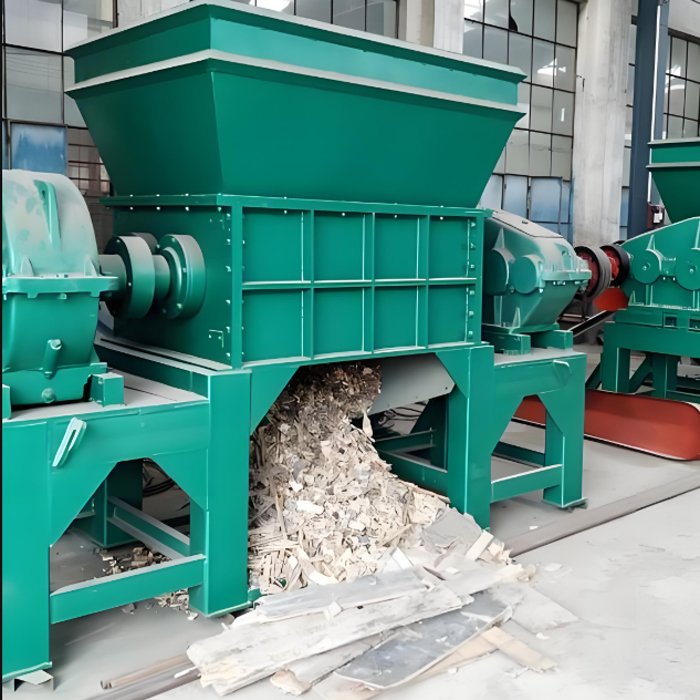
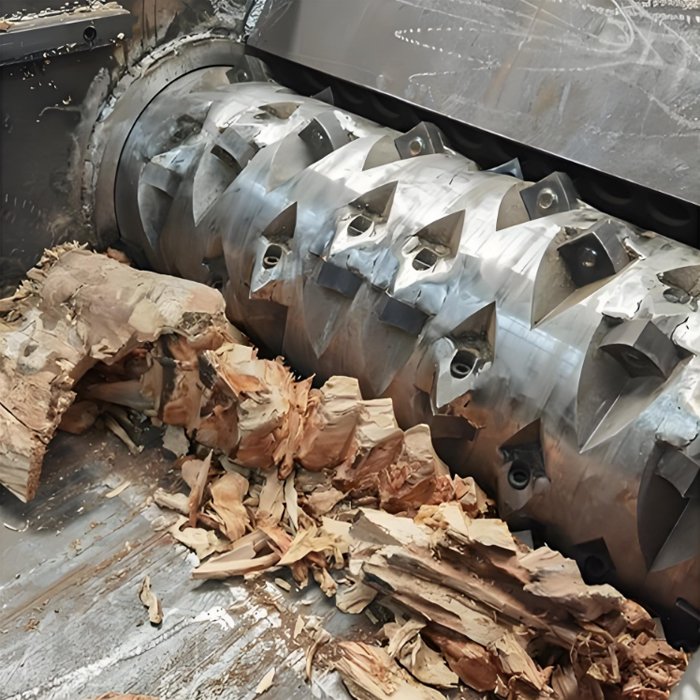
Heavy-duty shredders, particularly dual-shaft shredders, are the best choice. Their low-speed, high-torque design cuts and tears pallets effectively, easily handling nails and metal parts without frequent damage.
Choosing the right technology is critical when dealing with contaminated materials like wood pallets. The key difference lies in how the machine breaks down the material and how robust its components are.
Why Shredders Excel
Shredders operate differently from high-speed grinders or chippers. They typically use thick, durable blades mounted on one or two slow-rotating shafts. Instead of relying on high-impact speed, they use immense torque (rotational force) to shear, tear, and cut through material. This low-speed approach means metal encounters are less violent. The blades are less likely to shatter or chip upon hitting a nail or metal plate. They are designed to simply power through or cut around such obstacles. Many shredders also have automatic reversal features if they encounter something too tough, protecting the machine from severe damage.
Grinders vs. Shredders for Pallets
High-speed hammer mills or grinders pulverize material through rapid impact. While powerful, this method is very harsh on components when metal is present. Hammers and screens wear out quickly or break. While some very heavy-duty grinders might be adapted for pallets, shredders are generally considered the more robust and reliable solution specifically for metal-contaminated wood waste like pallets.
Dual-Shaft vs. Single-Shaft Shredders
Dual-Shaft Shredders: These are often the preferred choice for bulky, irregular items like whole pallets. They feature two counter-rotating shafts with interlocking cutters that actively grab the material and pull it down into the cutting chamber. This aggressive feeding action prevents pallets from “bridging” over the opening and ensures consistent processing. They handle high volumes and mixed materials well.
Single-Shaft Shredders: These use one main cutting rotor, often working against a stationary counter-knife. A hydraulic ram pushes the material horizontally into the rotor. They can be very effective, especially for more uniform waste streams. However, for large, whole pallets, the pushing mechanism might be less efficient than the pulling action of a dual-shaft machine.
Machine Type
Suitability for Pallets with Nails
Key Operating Principle
Robustness vs. Metal
Dual-Shaft Shredder
Excellent
Low Speed, High Torque, Shear/Tear
Very High
Single-Shaft Shredder
Good to Very Good
Low/Med Speed, High Torque, Shear/Cut
High
Hammer Mill/Grinder
Poor to Fair (risk of damage)
High Speed, Impact Pulverization
Low to Medium
Wood Chipper
Unsuitable
High Speed, Knife Cutting
Very Low
As manufacturers, Fude Machinery offers robust shredder designs, including powerful dual-shaft models ideal for demanding pallet processing applications.
What Can You Do With Shredded Pallet Wood?
Okay, you’ve shredded that mountain of pallets into chips. Now what? Just sending the chips to the landfill is better than sending whole pallets, but it still feels like a missed opportunity.
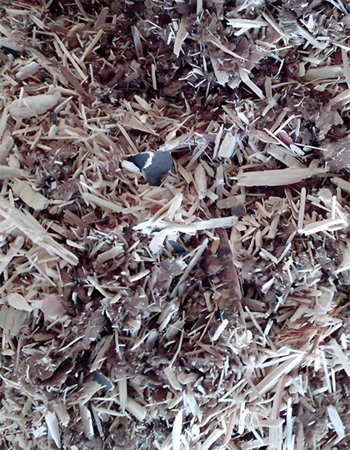
Shredded pallet wood is primarily used as biomass fuel. It’s also valuable as raw material for making particleboard or pressed wood products. Importantly, shredding makes separating the metal nails much easier.
The shredding process doesn’t just reduce volume; it unlocks the potential value within the waste wood and simplifies further processing. Here are the main destinations for shredded pallet material:
Biomass Fuel Production
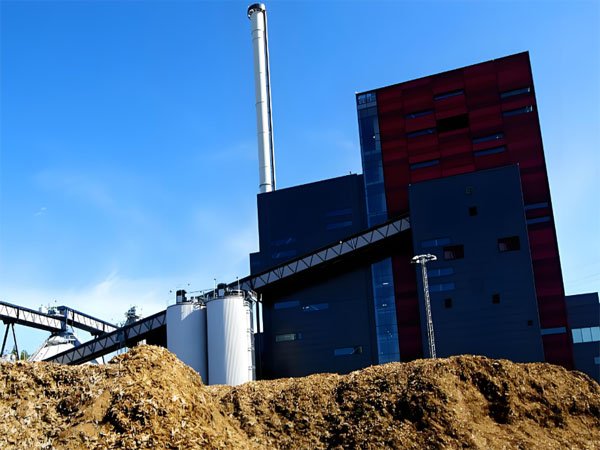
This is one of the most common and valuable uses. The wood chips, once nails are removed, provide good energy content. They can be burned directly in large industrial boilers designed for biomass, generating heat or electricity. The relatively consistent chip size produced by shredders makes them suitable for automated feeding systems. This turns a waste disposal cost into a potential energy source or revenue stream.
Material for Boards and Composites
Cleaned and properly sized wood fibers from pallets can be used in manufacturing engineered wood products. This includes particleboard, Medium Density Fiberboard (MDF), Oriented Strand Board (OSB), or even new molded pallets made from compressed wood fibers. This requires thorough removal of metal contaminants and potentially screening the chips to get the right size fraction.
Other Uses (Bedding/Mulch)
While possible, using shredded pallet wood for animal bedding or garden mulch requires caution. Pallets can sometimes be treated with chemicals (like older CCA treatments, though less common now) or absorb spills during their lifetime. It’s crucial to know the history of the pallets and ensure the wood is clean and untreated before using it in sensitive applications like animal contact or food gardens. Again, nail removal is essential. It can also be used as a carbon source in large-scale composting operations.
Simplified Metal Separation
This is a crucial secondary benefit. Shredding liberates the nails and metal plates from the wood structure. Instead of being embedded, they become loose pieces mixed within the wood chips. This makes removing them highly effective using magnetic separation equipment. Typically, a powerful magnetic drum or overhead belt magnet is placed over the conveyor belt carrying the shredded material. The magnet easily pulls out the ferrous metal (iron nails, steel plates), leaving cleaner wood chips for fuel or recycling.
Use Case
Key Requirements / Considerations
Benefit of Shredding
Biomass Fuel
Metal removal essential, dry material
Creates burnable size, allows separation
Board Material
Metal-free, specific size/cleanliness
Creates feedstock, allows separation
Metal Recycling
Effective separation method
Liberates metal for magnetic removal
Bedding/Mulch
Metal-free, untreated wood
Creates chips, needs careful sourcing
Compost Additive
Metal removal recommended
Provides carbon source, aids separation
Fude Machinery can help integrate magnetic separation systems with our shredders for a complete processing line.
Dealing with end-of-life pallets is a widespread issue. But for some industries, it’s not just an occasional problem, it’s a constant operational challenge impacting space, costs, and logistics.
Businesses generating high volumes of waste pallets benefit most. This includes logistics hubs, large warehouses, manufacturing plants, dedicated wood recyclers, and biomass energy facilities.
While many businesses might encounter waste pallets, the need for an efficient, in-house or contracted shredding solution becomes critical when volumes are consistently high. Let’s look at the primary users:
Logistics and Warehousing Centers
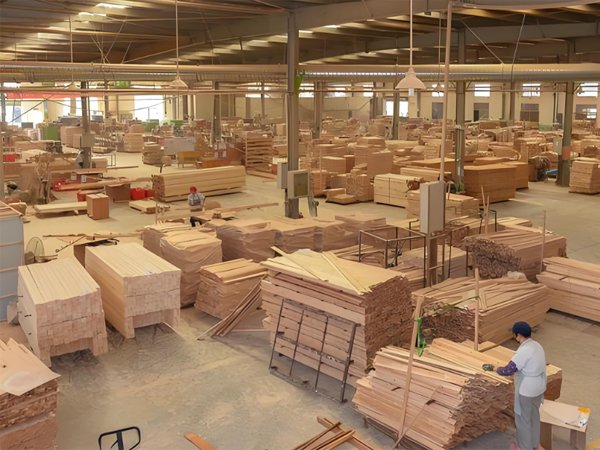
Distribution centers, large retailers’ warehouses, and third-party logistics (3PL) providers handle vast numbers of pallets daily. Damage is inevitable. Accumulating broken pallets quickly consumes valuable floor space needed for operations. An on-site shredder allows immediate volume reduction, freeing up space and drastically cutting down the frequency and cost of waste removal.
Manufacturing Facilities
Factories often receive raw materials on pallets and ship finished goods on pallets. This constant flow generates a steady stream of damaged or non-returnable units. Integrating a pallet shredder into their waste management system helps control costs and manage waste efficiently, sometimes even generating fuel for their own boilers.
Wood Recycling Operations
For companies specializing in wood waste processing, pallet shredders are core equipment. They receive pallets from various sources and process them into marketable commodities like biomass fuel chips, animal bedding feedstock, or raw material for board manufacturers. Robust, high-throughput shredders are essential for their business model.
Biomass Energy Plants
Some power plants designed to run on biomass fuel may accept whole waste pallets. They utilize large industrial shredders as part of their fuel preparation process. Shredding ensures the wood is the right size for their combustion systems and allows for effective removal of harmful metal contaminants before burning.
Industry
Primary Driver for Shredder Need
Key Outcome Achieved
Logistics/Warehouse
High volume of damaged pallets, space constraints
On-site volume reduction, cost savings
Manufacturing
Continuous generation of pallet waste
Efficient waste management, cost control
Wood Recycling
Processing waste into sellable products
Value creation, core business function
Biomass Energy
Preparing fuel feedstock
Fuel sizing, contaminant removal
At Fude Machinery, we provide shredding solutions tailored to the scale and specific needs of these demanding B2B clients, helping them turn a costly problem into a manageable process or even a resource.
Conclusion
So, a wood pallet shredder is a vital machine. It specifically tackles bulky, nail-filled pallets. It slashes waste volume, cuts disposal costs, enhances safety, and crucially enables recycling and resource recovery.
FuDe Machinery integrates research and development, manufacturing, and sales. We have a professional technical team that deeply understands customer needs, recommends and answers equipment questions for customers, and teaches operation techniques. If you want to learn about the processing industry, please consult us.
Success with a feed pellet machine hinges on consistent raw material preparation (moisture, size, mix), understanding binder science, selecting the right die (type and compression ratio), considering wear part metallurgy, and calculating total co...
There are many coconut shell charcoal products on the market, but the quality varies greatly, this is because the charcoal processors have not mastered the method of processing high-quality coconut charcoal briquettes at the time of production. I...
 Fude Machinery-wood crusher manufacturer

HelloPlease log in