 Fude Machinery-wood crusher manufacturer
How is a wood peeling machine used for peeling
641It mainly peels off the bark of wood through the synergistic effect of mechanical force and friction.
View detailsSearch the whole station Products
Biomass waste is a problem. It piles up. But what if it’s a solution?
Biomass energy turns waste wood, straw, and other organic material into fuel or products. This creates value and opportunities across many industries like wood processing, agriculture, and waste management. It makes use of materials once thrown away.
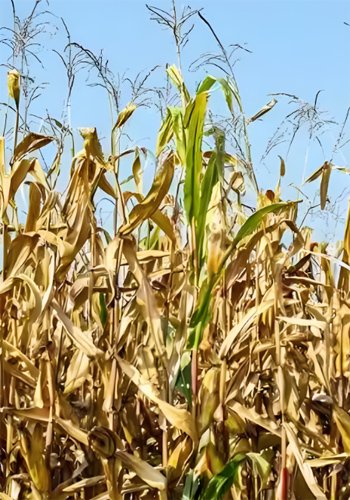
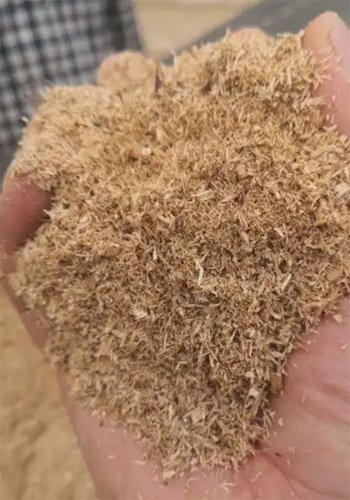
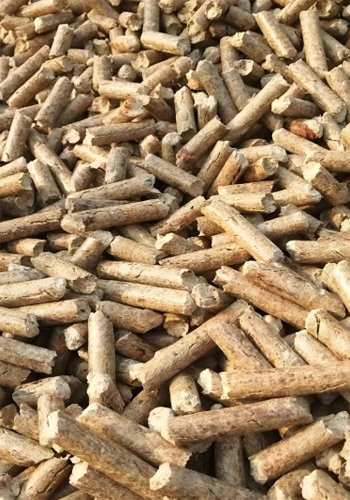
This idea changes how businesses see waste materials. It opens doors to new ways of working and new income. Let’s look closer at how this works for specific businesses.
Wood processing creates waste. Piles of sawdust and scraps appear. Is this waste useful?
Biomass energy uses wood waste to make fuel for heating or electricity. It also turns waste into materials for new products. This adds value to materials that were once thrown away and improves sustainability.
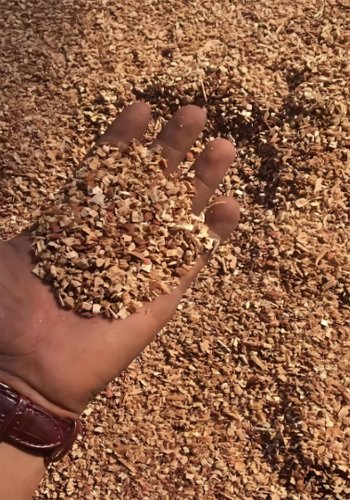
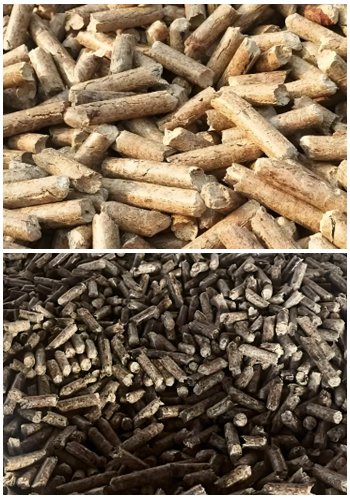
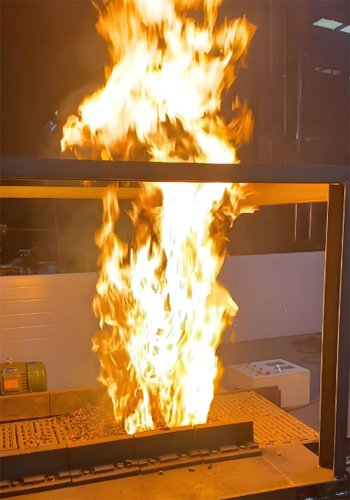
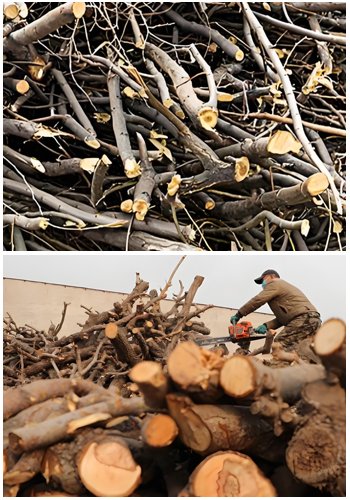
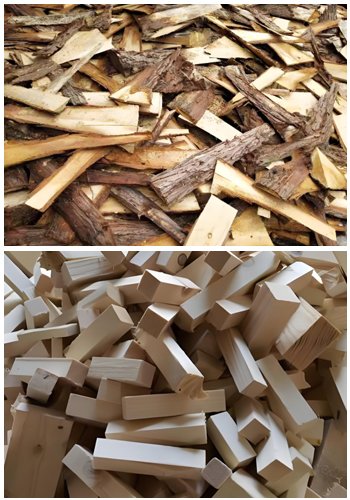
Wood processing plants, sawmills, and furniture makers create lots of leftover wood. This includes things like branches, bark, sawdust, wood chips, and wood scraps. Handling this waste costs money. Hauling it away adds costs. Burning it openly causes pollution problems. Biomass energy offers a better way. It takes this waste material and turns it into something valuable. For example, sawdust and wood chips can be dried and pressed into wood pellets. Wood pellets are a clean-burning fuel. They are used for heating homes and even for making electricity in power plants. Larger wood scraps and branches can be processed into wood chips using a wood chipper or a wood crusher. These chips can be used directly as fuel in some boilers. They can also be used to make particleboard or other engineered wood products. This means the wood is used completely. Almost nothing is wasted. This improves the business’s bottom line. It also helps the environment. It reduces the need to cut down more trees just for energy or materials. We see many wood processing companies adding biomass equipment. They make money from their waste now.
Wood waste comes in many forms from different processes.
Specific machines are needed to prepare wood waste for biomass use.
The processed waste becomes new products or fuel sources.
Farms produce lots of plant waste. Straw, stalks, and husks are left behind. What can farmers do with it?
Biomass energy uses farm waste to make fuel, animal bedding, or soil additives. This gives farmers new ways to profit from leftover crops and improves farm operations and resource use.
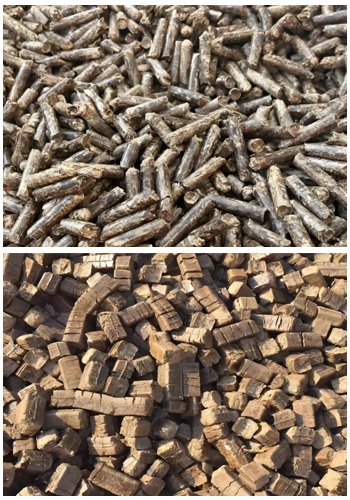
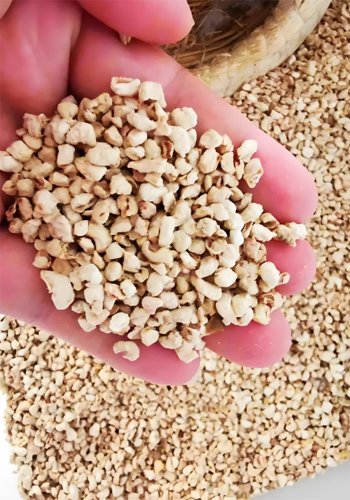

Farmers deal with a lot of organic material after harvesting crops. This includes corn stalks, wheat straw, rice husks, cotton stalks, and other plant residues. Traditionally, much of this material is left on the fields or burned. Burning creates smoke and pollution. Leaving it on the field can sometimes cause disease problems. Biomass energy provides valuable options. This agricultural waste can be collected and processed. A straw crusher or integrated crusher breaks down the stalks and straw into smaller pieces. These pieces can then be used in several ways. They can be made into animal feed or used as bedding for livestock, like cows, pigs, and chickens. Using processed straw for bedding is more absorbent than using it whole. The processed material can also be used as a base for growing mushrooms (edible mushroom cultivation). Mushroom growers mix the crushed straw with other nutrients. The mycelium grows on this substrate. Another big opportunity is making biomass pellets. Farm waste like straw and husks can be pelletized just like wood. These pellets are a clean, renewable fuel. Farmers can use them to heat their own buildings. They can also sell these pellets for extra income. This turns a disposal problem into a profit center. It uses farm resources efficiently.
| Farm Waste Type | Fude Processing Equipment | New Use / Benefit |
|---|---|---|
| Straw, Stalks | Straw Crusher, Dryer | Animal Bedding, Feed Additive, Mushroom Substrate, Fuel |
| Rice Husks | Dryer, Pellet Mill | Biomass Pellets, Fuel for boilers |
| Corn Cobs/Stalks | Corn Cob Crusher | Biomass Pellets, Animal Feed |
| Other Crop Residues | Integrated Crusher | Various Biomass Applications |
Cities and builders create waste wood. Old furniture and building scraps pile up. Can we use this waste?
Biomass energy provides a way to recycle waste wood into fuel or raw materials. This reduces landfill use and creates a circular economy for wood resources. It is a sustainable way to handle large volumes of waste.
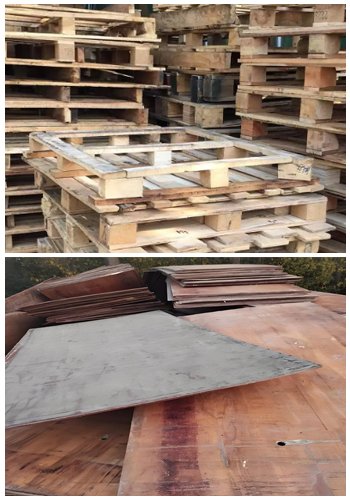
Waste wood comes from many places outside of primary wood processing. This includes old furniture, demolition wood from buildings, shipping pallets, and tree trimmings from landscaping. Disposing of this material in landfills is expensive. It takes up valuable space. Biomass energy offers a solution for this urban and construction waste. This type of waste wood can be tricky because it often contains metal like nails, screws, or hinges. It might also have paint or glue. Processing this material requires robust machinery. Fude offers integrated crushers designed to handle these mixed materials. These machines can break down large pieces of waste wood. They can also often separate metal during the crushing process. Mobile crushers are especially useful for waste recycling. They can be moved directly to demolition sites or waste collection points. This reduces the cost of transporting bulky waste wood. The output from crushing waste wood can be used in several ways. It can be used as fuel in biomass power plants. It can also be processed further to make particleboard or other composite wood products. Landscaping waste like branches and leaves can be turned into mulch or compost using smaller branch crushers. This recycled material improves soil health. Biomass recycling turns a waste problem into a useful resource. It supports the idea of a circular economy. Resources are used again and again.
Waste wood comes from urban and construction activities.
Special equipment is needed for waste with metal or other materials.
Recycled waste wood creates valuable products and energy.
Biomass energy processing needs machines. Where do these machines come from? Who makes them?
The growth of biomass energy increases demand for specialized machinery. This includes crushers, chippers, pellet mills, and carbonization equipment needed to process biomass materials. This drives innovation and production.
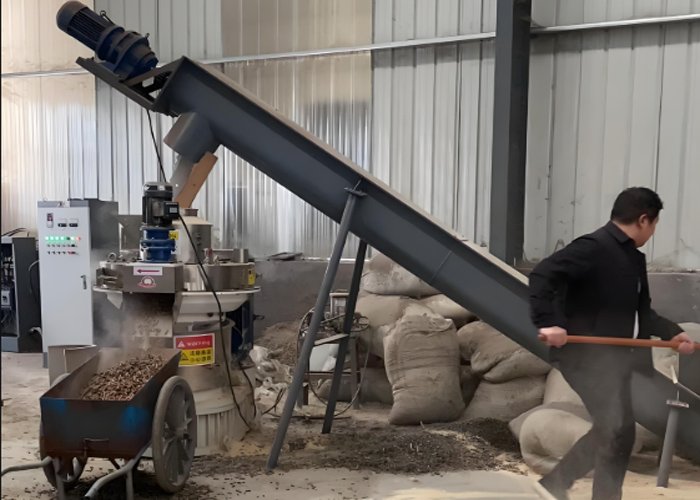
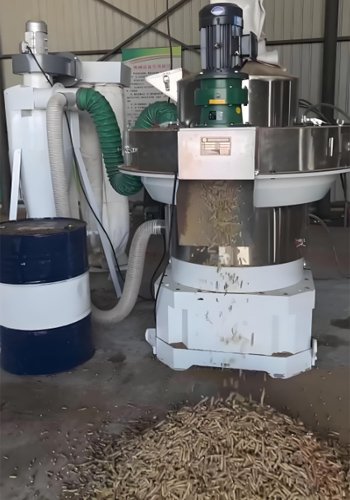
Developing biomass energy projects requires specific types of machinery at every step. First, the raw biomass material, whether it is wood waste, agricultural residue, or energy crops, needs to be prepared. This often means reducing its size. This is where machines like wood crushers, wood chippers, and straw crushers are essential. The type of machine needed depends on the raw material and the desired output size. For making pellets or briquettes, the material might need to be dried using a rotary dryer. Then it needs to be formed using a pellet mill or briquette press. For making charcoal, materials like sawdust or branches are processed and then put into a carbonization furnace. Each step requires reliable and efficient equipment. The biomass energy industry creates demand for these machines. Manufacturers like Fude specialize in building this equipment. We design and produce machines like various wood crushers, drum chippers, pellet mills, charcoal machines, and related systems. Biomass projects often have specific needs. The required capacity, input material type, and output size vary. This means equipment needs to be customizable. Manufacturers must offer complete production lines that integrate multiple machines. The biomass trend pushes equipment makers to innovate. Machines need to be more efficient. They need to use less energy. They need to be more durable to handle different materials. The need for mobile solutions is also growing. Biomass energy drives the equipment industry forward.
| Biomass Processing Stage | Required Action | Fude Equipment Type | Example Fude Product |
|---|---|---|---|
| Size Reduction | Crushing, Chipping | Wood Crusher, Wood Chipper, Integrated Crusher | 420 Wood Crusher, Drum Chipper |
| Drying | Moisture Removal | Rotary Dryer | Rotary Dryer |
| Forming | Pelletizing, Briquetting | Pellet Mill, Briquette Machine | Ring Die Pellet Mill |
| Carbonization | Heating without Oxygen | Charcoal Machine | Carbonization Furnace |
| Material Handling | Feeding, Conveying | Conveyors, Feeders | Screw Conveyor, Belt Conveyor |
| Dust Control | Filtration | Dust Collector | Bag Filter, Cyclone Separator |
Biomass energy offers great inspiration. It turns waste into value for many industries. It creates new business chances.
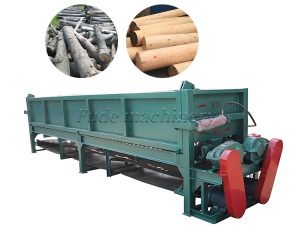
It mainly peels off the bark of wood through the synergistic effect of mechanical force and friction.
View details
What are Hops? Hops are the pine-cone shaped flowers of a climbingvine that is native to the temperature regions of NorthAmerica, Europe and Asia. The plant has male andfemale bines, but only the female bines develop conesIn brewery, hops pro...
View details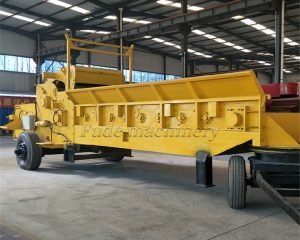
A comprehensive wood crusher is a device specifically designed for crushing wood
View details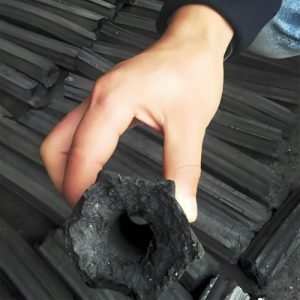
The charcoal machine efficiently converts biomass raw materials into environmentally friendly charcoal, which is widely used in industry, agriculture and life. Through the four-step proces...
View details
HelloPlease log in