Fossil fuels cause pollution. We need clean energy. Biomass energy is a good answer. Biomass energy is important. It uses waste materials. It gives renewable energy. It reduces greenhouse gas. Developing biomass energy brings many good things. We should look at these good things.
What Are the Environmental Benefits?
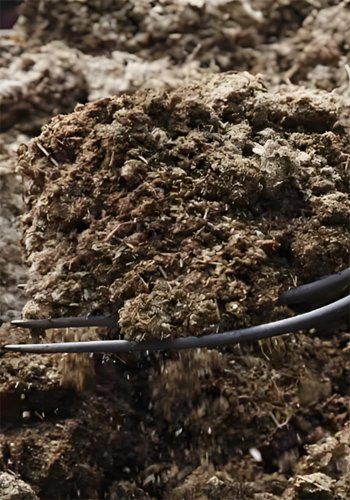
Waste wood piles up. This harms the environment. Biomass energy helps clean it up. Biomass energy helps the environment a lot. It uses waste. It lowers harmful gas in the air. Developing biomass energy has big environmental upsides. It uses materials like waste wood and farm leftovers. These materials might otherwise just rot or be burned openly. Open burning makes smoke and bad gas. Biomass energy is part of the carbon cycle. Plants take carbon dioxide from the air. When we burn biomass for energy, this carbon goes back. New plants grow and take it up again. This cycle is better than digging up old carbon from the ground (fossil fuels). We help manage waste. Wood processing factories make sawdust and scraps. Farms have straw and stalks. We take this waste. We turn it into fuel. This reduces landfill waste. It also gives value to materials that had none before. Using biomass can improve soil. Some materials can become compost after use or processing. The ash from burning biomass can sometimes be put back into soil as fertilizer. This needs careful management. It helps nutrients return to the soil.
How Does It Help the Economy?
Economies need power. Fossil fuels cost money. Biomass offers local economic chances. Biomass energy helps economies. It creates jobs. It gives energy from local sources. It reduces reliance on outside fuel. Biomass energy growth means more jobs. People are needed to gather raw materials. They operate machinery like wood crushers and pellet machines. They build energy plants. They manage operations. These jobs are often in rural areas. This helps local communities.
It creates local value chains. Farmers can sell crop residues. Foresters can sell thinning wood. Our company sells the machines that process these materials. This keeps money within the local area or region. It does not go to buy fuel from far away. Energy security gets better. Countries that use biomass rely less on importing fossil fuels. They use their own resources. This makes their energy supply more stable. It can protect against price changes in the global market. New businesses start. Companies offer services for collecting, processing, and transporting biomass. Other companies build or run the energy plants. This makes the economy more diverse. It supports local suppliers. It encourages new skills.
What Raw Materials Can We Use?
Lots of materials get thrown away. They could be useful. Biomass energy uses these things. We can use many raw materials for biomass energy. These include wood waste, farm crops left over, and even animal waste.
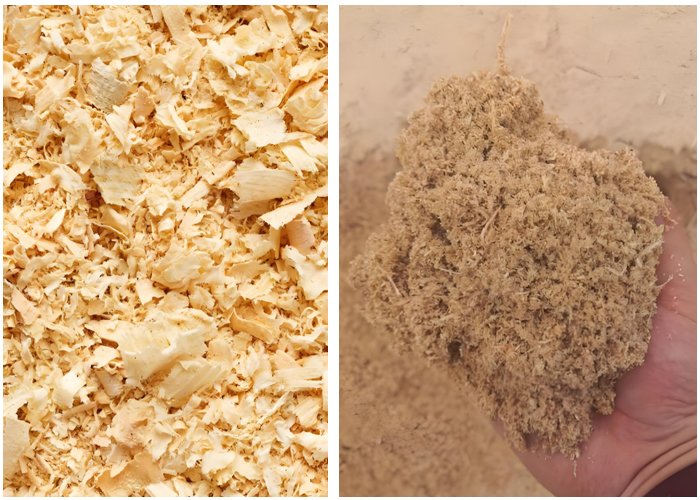
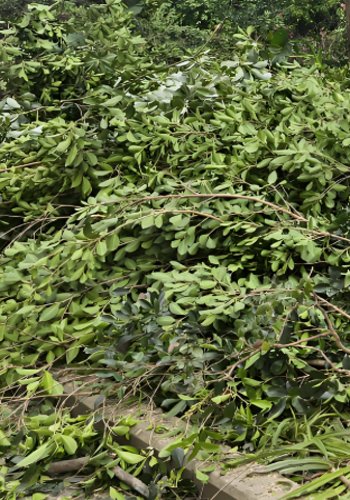
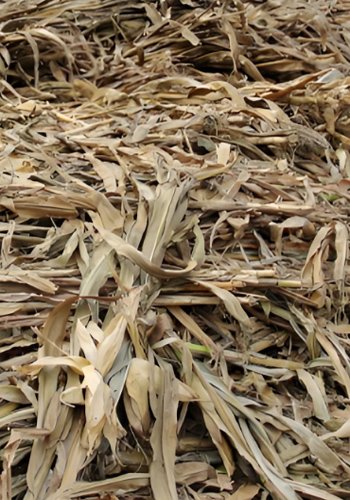
Biomass energy uses materials that come from living things. Wood processing makes lots of leftovers. Sawdust, wood chips, bark, and small branches are common. Garden companies cut trees and bushes. This green waste is good biomass fuel. Farms also give many materials. Corn stalks, wheat straw, rice husks, and sugar cane waste can be used. Special machines can process these tough, dry materials. Animal farms create manure. This manure can make biogas, a type of biomass energy. Other sources exist. Food processing waste can be used. Some types of algae are grown for energy. Energy crops like switchgrass or fast-growing trees are grown specifically for biomass. These plants grow fast. They are easy to manage. Our machines process many of these materials. Wood crushers handle wood and branches. Shredders work well on straw and stalks. Pellet machines turn many types of waste into dense fuel. We make equipment for different types of waste.
What Equipment Is Needed?
Turning waste into fuel needs machines. Simple tools are not enough. Special equipment is vital. Turning biomass into energy needs special machines. This includes machines for crushing, cutting, drying, and making pellets or charcoal.
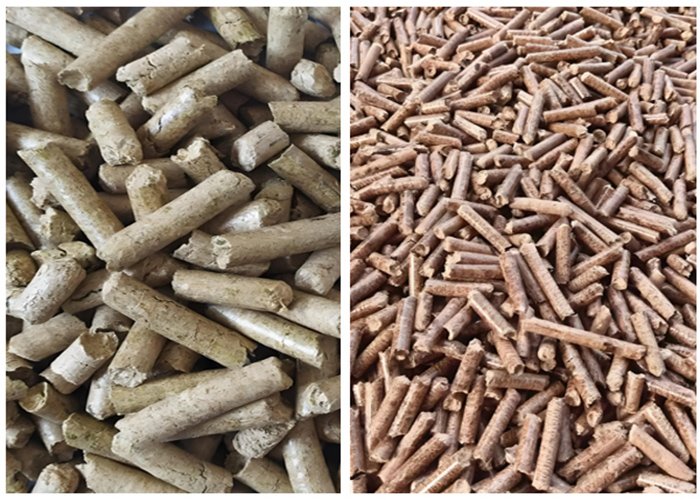
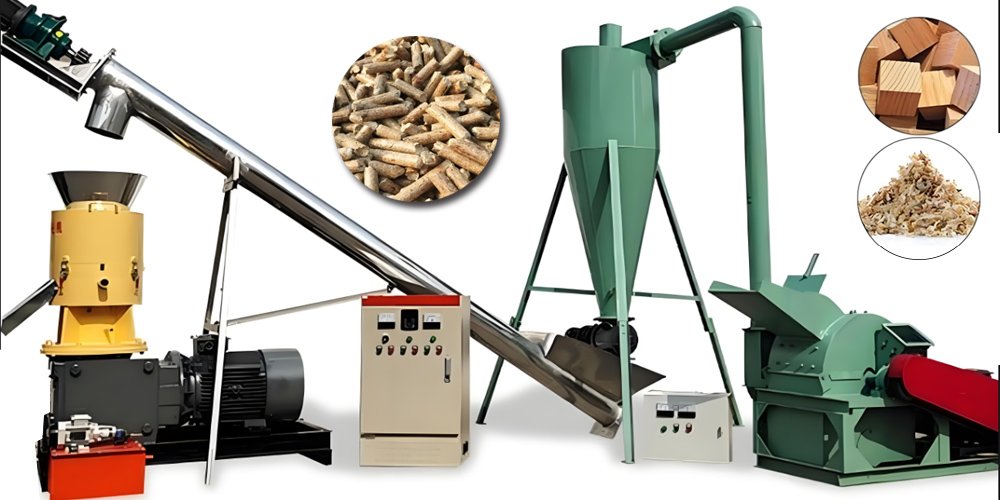
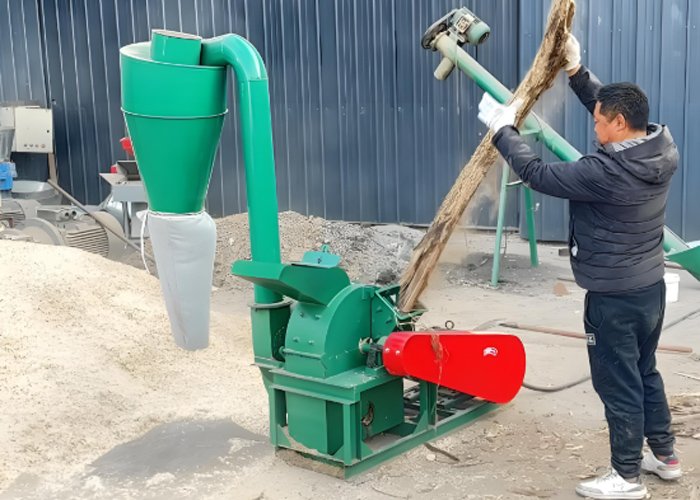
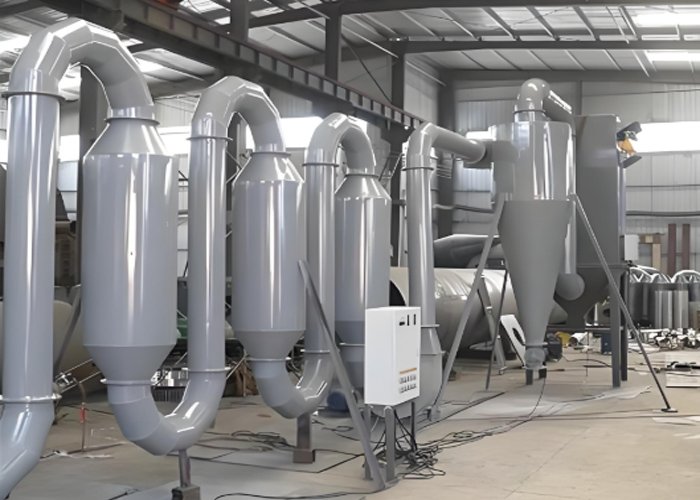
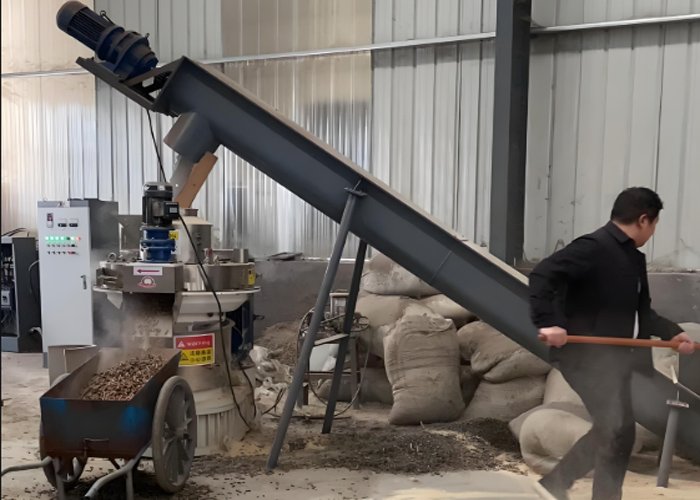
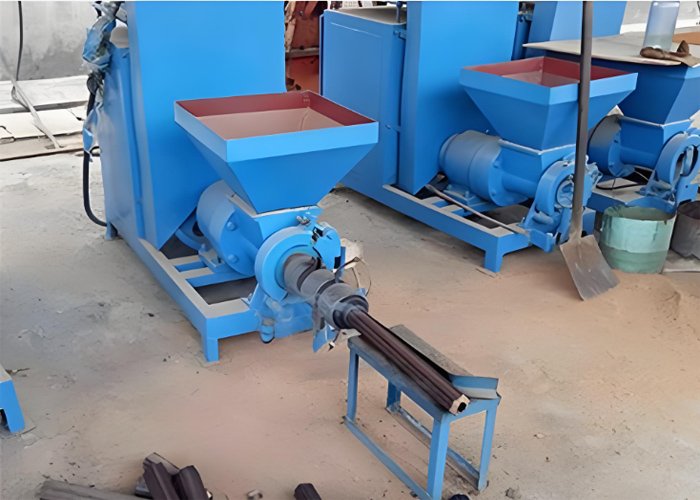
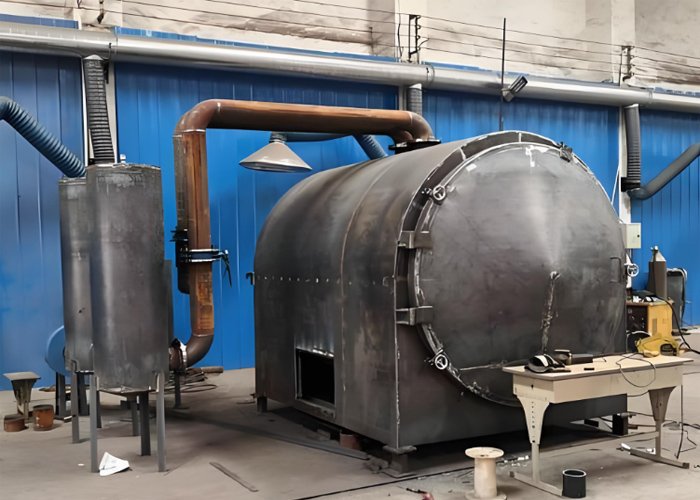
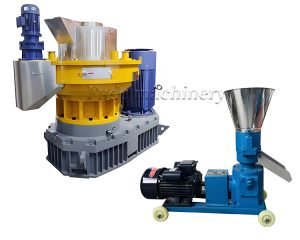
Getting biomass ready for energy needs several steps. First, materials often need to be made smaller. We use wood crushers for wood. Chippers cut wood into smaller pieces. Shredders break down softer materials like straw. This step makes handling easier. It also prepares material for the next steps. Sometimes, the material needs to be dry. Rotary dryers remove water. This makes the material burn better or form stronger pellets. Removing dust is also important for safety and clean air. We have dust collectors for this. Dry material has more energy per weight. For some energy uses, material is formed into shapes. Pellet machines make small, dense pellets from sawdust or straw. These are easy to transport and burn. Coal rod machines make charcoal briquettes from carbonized material. These forms are standard size. Making charcoal is another method. Carbonization furnaces turn wood or other biomass into charcoal. This is a compact energy source. It burns cleanly. We can provide full production lines for these processes. This means we offer all the machines needed from start to finish. Our mobile crushers can move around easily.
Why Is This Development Growing?
The world needs more energy. It needs cleaner energy. Biomass energy is becoming more popular. Biomass energy development is growing because countries want clean energy, manage waste better, and gain energy freedom. Many reasons push biomass energy growth. One big reason is climate change. Countries want to lower greenhouse gas releases. Biomass is seen as carbon neutral. It fits climate goals better than fossil fuels. This is a major global goal. Governments give support. They set goals for using renewable energy. They offer money or good rules for biomass projects. This makes it easier and cheaper to start biomass energy work. Policies encourage investment. Cost of fossil fuels can change a lot. Using local biomass gives more stable energy costs. It also makes energy supply more certain. This is important for countries and businesses. It reduces risk. Technology is getting better. Machines are more efficient. Processing biomass is easier now. Our machines are stronger and use less power. This makes biomass energy more affordable and practical. Automation is also improving. Waste management is a growing problem. Cities and farms make lots of organic waste. Turning this waste into energy solves two problems at once: waste disposal and energy need. This is a strong driver. Rules about waste disposal are getting stricter.
Developing biomass energy is important. It helps the planet and the economy. It uses waste and gives clean power.
A small-scale feed pellet production line is a combination of equipment specifically designed for producing pellet feed. It can process various raw materials such as corn, soybean meal, straw, grass, etc. into pellet feed through a series of proce...
There are significant differences between the flat model biomass pellet machine and the ring model biomass pellet machine in multiple aspects. The following is a detailed comparison of these two models: Flat mold biomass pellet machine Circular bi...
More and more chicken farmers are complaining that the prices of chicken feed sold by feed companies are too high, so that farmers have almost no profit when selling their chickens. Therefore, the current trend is to make poultry feed by oneself. ...
Rice husk, a byproduct of rice milling, is often considered agricultural waste. However, it holds significant potential as a material for making charcoal briquettes. Transforming rice husk into charcoal briquettes can provide an eco-friendly, sust...
 Fude Machinery-wood crusher manufacturer

HelloPlease log in