 Fude Machinery-wood crusher manufacturer
What are the factors that affect the price of carbonization furnaces
691Carbonization furnace is an improved mechanism furnace based on the principle of earthen kiln, also known as mechanism kiln.
View detailsSearch the whole station Products
Energy needs are growing fast. Relying on old fuels causes problems. Biomass energy offers a real solution.
Developing biomass energy is very important because it provides renewable power, helps manage waste, and supports rural economies. It lowers greenhouse gas emissions compared to fossil fuels. This makes it a key part of future energy plans.
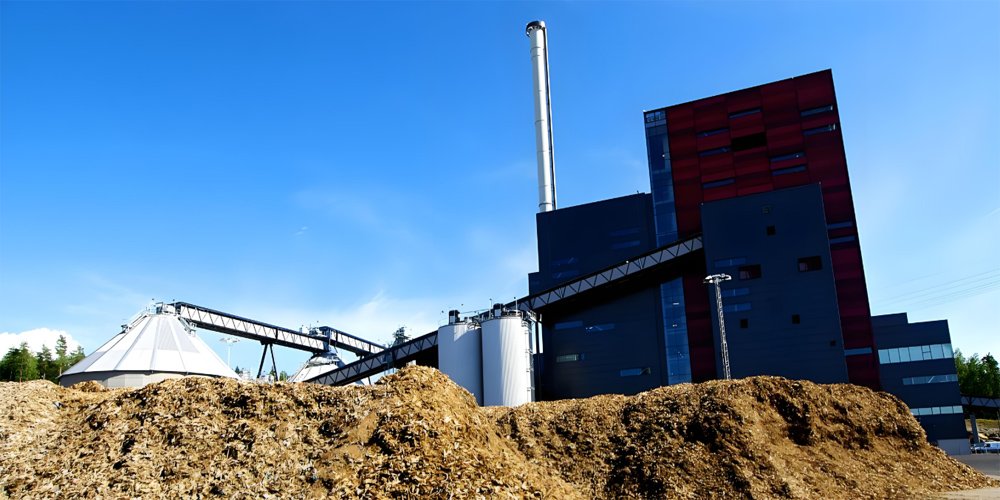
Understanding its importance is just the first step. We need to look closer at what makes it so valuable and what issues we need to overcome. This means exploring its positive sides and the difficulties involved.
Many people question new energy sources. Some think biomass is just burning waste. But biomass gives us many key benefits.
Biomass energy offers many benefits. It is a renewable resource, unlike fossil fuels. It helps reduce waste volume. It can be locally sourced, supporting local jobs. It helps lower net carbon emissions when managed properly.
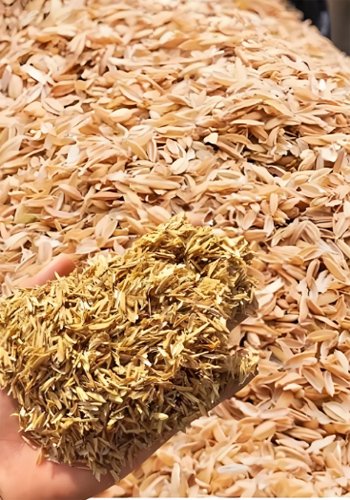
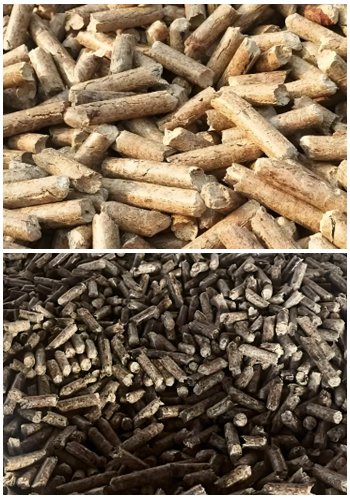
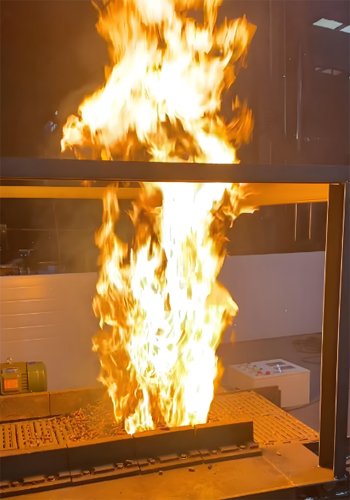
Biomass comes from living things. These are plants and animals. We can grow more plants. This means the source renews over time. Fossil fuels are different. They took millions of years to form. We are using them up quickly. We cannot replace them at the same speed. Biomass offers a continuous supply if managed sustainably.
Biomass uses materials we often throw away. This includes wood scraps from sawmills. It uses leftover crops like straw and stalks. Animal waste can also be used. Turning this waste into energy is useful. It reduces the amount of trash going to landfills. It can lower costs for waste disposal. It helps clean up farms and forests.
Plants take carbon dioxide from the air as they grow. They store carbon. When we burn biomass, this stored carbon releases back into the air. This sounds bad. But if we replant trees or crops, the new plants take up more carbon. Over a long time, the net amount of carbon in the atmosphere can stay balanced. Fossil fuels release carbon that was locked underground for ages. This adds new carbon to the air.
Biomass supports local jobs. People are needed to collect biomass. Others process it. Power plants need workers. This often happens in rural areas. It provides new income sources for farmers and foresters. Using local biomass also means we do not need to import as much fuel. This keeps money within the local economy.
We can store biomass fuels. This is different from solar or wind power. Solar and wind depend on weather. Biomass power plants can operate steadily. They can provide power when the sun is not shining or the wind is not blowing. This makes biomass a reliable part of the energy grid. It helps keep the power supply stable.
Biomass pellet machines have high applicability in the field of biomass energy. Their core function is to convert biomass raw materials such as agricultural and forestry waste into high-density, easy to store and transport pellet fuels, providing important support for the efficient utilization of energy.

Biomass sounds great, but it is not perfect. There are difficulties in making it work well. We must understand these problems to solve them.
Developing biomass energy faces challenges. These include ensuring sustainable sourcing, managing land use conflicts, dealing with transportation costs, and controlling emissions from burning. Scaling up production and processing equipment is also a challenge
| Challenge | Description | Impact |
|---|---|---|
| Sourcing | Getting materials from sustainable sources | Environmental damage if not managed |
| Land Use | Competing with food or habitats | Potential for conflict, biodiversity loss |
| Transport | Moving bulky biomass is costly | Higher energy cost, local pollution |
| Emissions | Burning releases pollutants (PM, NOx) | Air quality issues, health risks |
| Processing | Needs special machinery and energy input | Adds complexity and cost |
Getting raw biomass is one thing. Turning it into usable fuel is another task. The right processing makes all the difference.
Effectively processing biomass materials requires the right machinery. This includes crushing, chipping, drying, and pelletizing equipment. Proper processing makes biomass easier to handle, transport, and use as fuel or other products. Efficient machines improve energy yield.
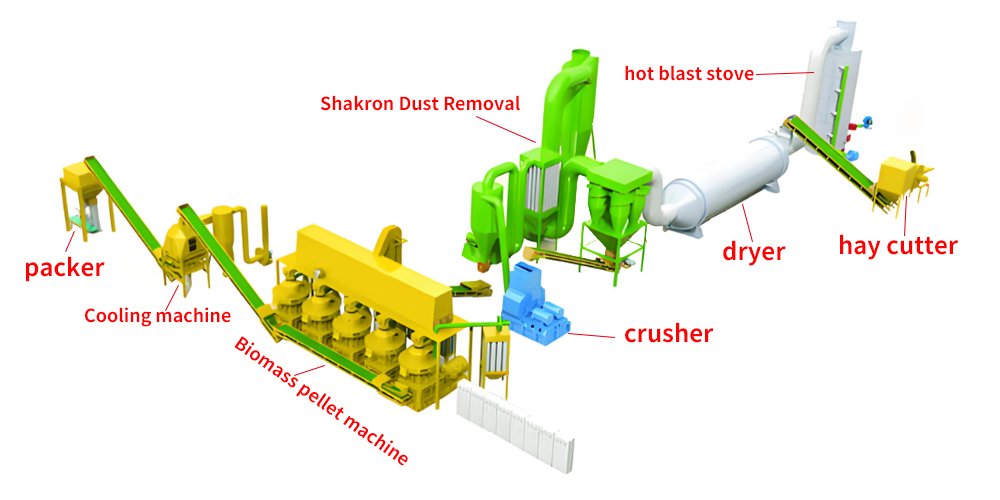
Raw biomass like tree branches or wood scraps is big and bulky. It is hard to handle. It does not burn well in some systems. We need to break it down. Machines like wood crushers and wood chippers do this. They turn large pieces into smaller chips or sawdust. This makes the material uniform. It is easier to move and store. It prepares it for the next steps. Our machines handle many types of materials. This includes wood, straw, and other plant waste.
Biomass often has high moisture content. Wet material does not burn well. It has lower energy output. It can cause problems in processing. We need to dry it. Rotary dryers are used for this. They remove water from the biomass. This makes the material more efficient for burning or making pellets. Drying improves the quality of the final fuel product.
Loose biomass like sawdust or chips takes up a lot of space. Transporting it is not efficient. It can be dusty. Pellet machines solve this. They compress the material into dense pellets. These pellets are small and uniform. They flow easily. They are much easier to ship and store. They work well in automated heating systems. We offer wood pellet machines and feed pellet machines.
Sometimes biomass has dirt, stones, or metal mixed in. These can damage machines or cause problems when burning. We use screening equipment to clean the material. Also, processing creates dust. Dust collectors are important. They keep the air clean in the processing plant. They also recover useful fine materials.
Processing biomass involves several steps. It is not just one machine. It needs a line of equipment. This might include feeding systems, crushing, drying, screening, pelletizing, and packing. As a manufacturer, we design and provide complete production lines. We can customize these lines. We build systems that match the specific needs of the customer. This makes the whole process efficient. Our machines are built strong. They are designed for high capacity. They are stable in performance. We also offer mobile crushers. These can go where the biomass is. This saves money on transport.
Biomass energy is important for a sustainable future. It offers many benefits but has challenges. Effective processing with good machines is key.
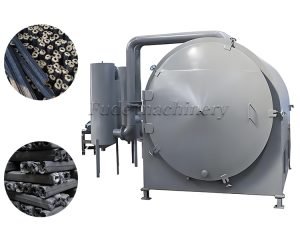
Carbonization furnace is an improved mechanism furnace based on the principle of earthen kiln, also known as mechanism kiln.
View details
The waste residue from pallet factories can be crushed, crushed, and dried to produce pellet fuel, achieving resource reuse and reducing environmental pollution. An extensive pallet industry has become established as a result of the rapidly...
View details
It is a production process that converts various biomass raw materials into granular solid fuels.
View details
It is a mechanical device specifically designed for removing wood bark
View details
HelloPlease log in