 Fude Machinery-wood crusher manufacturer
What materials are suitable for wood shredders to crush
664Wood chipper, also known as wood crusher or branch crusher, is suitable for crushing various materials, mainly including the following categories
View detailsSearch the whole station Products
Do you want your chickens to grow well? Are you looking at feed bags? Good chicken pellet feed has specific parts.
Good chicken pellet feed has essential nutrients for birds. These include protein, carbohydrates, fats, vitamins, and minerals. Chickens need these parts for proper growth, health, and making eggs. Getting the right mix is important.
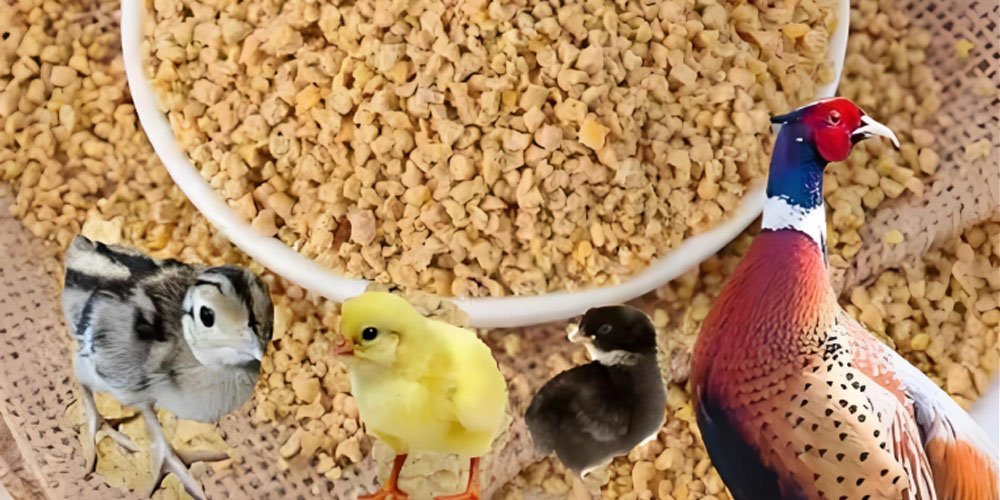
Knowing what is inside the feed helps you pick the best one. Let’s look closer at these important parts.
Chickens need building blocks. What makes these blocks?
Protein is needed to build chicken bodies. It makes muscles, feathers, and insides. Young chickens need a lot to grow fast. Hens making eggs need much protein too.
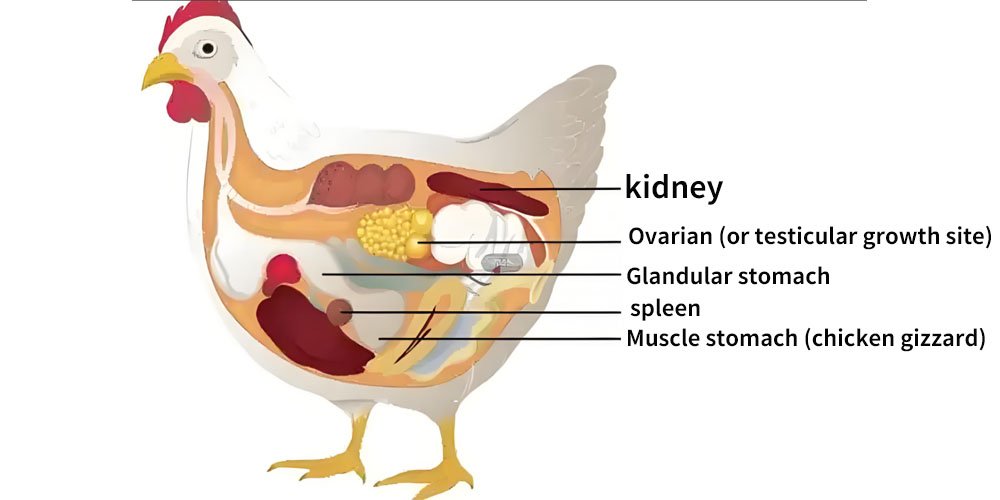
Let me explain more about protein for chickens. Protein is like the body’s main builder. It is made of smaller pieces called amino acids. Chickens need specific amino acids. They must get these from their feed. If the feed lacks certain amino acids, the chicken cannot build its body right. This means slow growth or fewer eggs. Good chicken feed uses things like soybean meal, corn gluten meal, or meat and bone meal. These things have good amounts of protein. The amount of protein a chicken needs changes with its age and what it does. A young chicken growing big needs more protein than an older chicken just living. Hens making eggs need much protein to put in the egg. Getting enough good protein helps chickens stay strong and healthy. It also helps them use other parts of the feed well. Without enough protein, chickens will not be strong or productive. It is a very important part of their food.
Feed uses different things for protein.
Different chickens need different protein levels.
| Chicken Type | Need (Rough %) | Why Needed |
|---|---|---|
| Young Chicks | 18-23 | Fast body building |
| Growing Chickens | 15-18 | Body growth continues |
| Laying Hens | 16-18 | Making eggs needs protein |
| Older Chickens | 14-16 | Less body building needed |
Chicken bodies do many jobs. What helps them do these jobs?
Vitamins and minerals are needed for chicken health. They help the body work right. They stop many sicknesses. Chickens need vitamins A, D, E, K, and B vitamins. They also need minerals like calcium and phosphorus.
The vitamins and minerals in chicken feed are very important. Vitamins help the body utilize important components such as protein and energy. Vitamins help with vision, skin, red blood cell production, and maintaining nerve health. Minerals are also crucial. Calcium is essential for strong bones and hard eggshells. Phosphorus and calcium work together on bones and other bodily functions. Chickens also require trace minerals. The demand for trace minerals is very, very small. If a chicken does not consume enough vitamins or minerals, it may become sick. It may not grow well. Its bones may be very fragile. Hens may lay soft shelled eggs. Therefore, feed manufacturers have added appropriate amounts of these small yet powerful assistants to their feed.
Vitamins do different jobs in the body.
Minerals build parts and help body jobs.
The feed pellet machine significantly improves the nutritional utilization, safety, and economy of chicken feed by optimizing the physical form and processing technology of the feed, while supporting the intensification and sustainable development of the breeding industry. Its versatility and adaptability make it an indispensable key equipment in modern chicken farming.
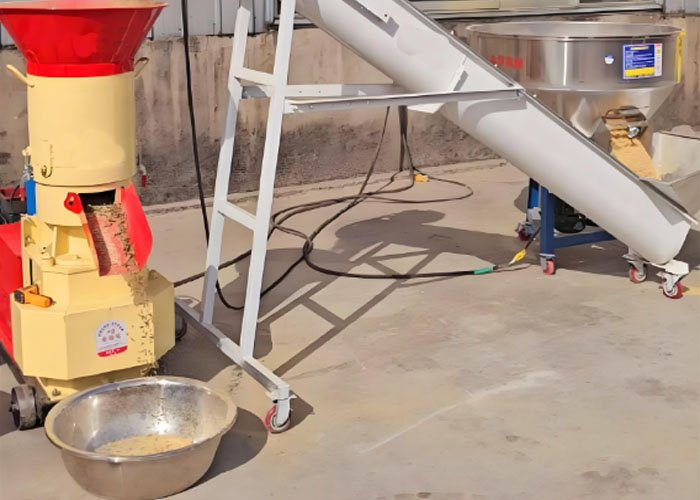
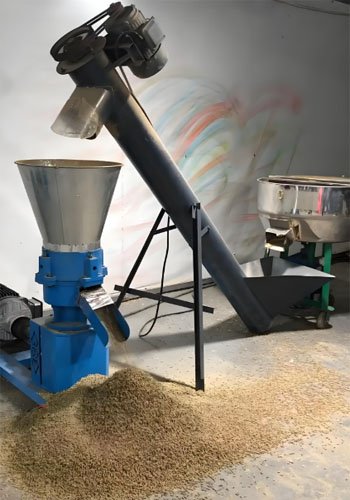
You have different parts. How do you put them together right?
Good feed formulation balances all nutrients. It makes sure the feed fits the chicken type and age. Good mixing ensures chickens get what they need. It stops them getting too little or too much of anything. This makes the feed work best.
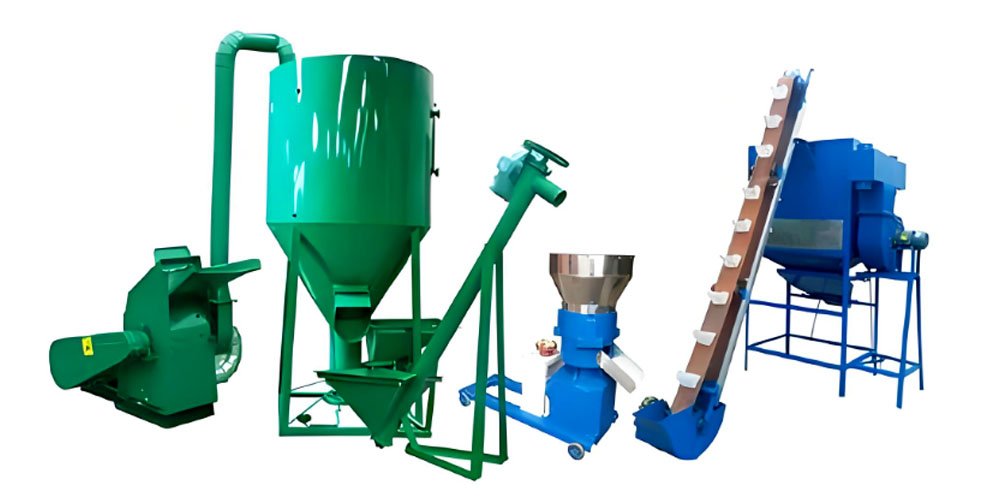
Let me explain why putting the feed together correctly is very important. Feed making is not just mixing things randomly. People who know about animals and food, called nutritionists, decide exactly how much of each ingredient goes into the feed. They look at what the chicken needs at a certain age. They know how much protein a young chicken needs. They know how much calcium a laying hen needs. They use this knowledge to make a recipe. This recipe lists all the ingredients and their amounts. They must make sure there is enough protein, enough energy, enough vitamins, and enough minerals. They also make sure the amino acids are balanced. For example, chickens need a specific balance of calcium and phosphorus. Getting this balance wrong can cause bone problems. Good formulation means the chicken gets everything it needs from eating the right amount of feed each day. It means less waste and better chicken health. After mixing, the material is often made into pellets. This is done using machines that press the feed mix into small shapes. Pellets help chickens eat all the parts of the feed, not just pick out their favorites. Making good pellets needs the right machines and methods.
Getting the mix right is a science.
After mixing, the feed is often pelleted.
| Formulation Step | Why It’s Important |
|---|---|
| Ingredient Selection | Choose nutrient-rich, safe materials |
| Nutrient Calculation | Ensure needed levels are met |
| Balancing Key Ratios | Get things like Ca:P right for bones |
| Checking Amino Acids | Ensure enough building blocks are there |
| Pelleting Process | Makes feed easy to handle, prevents sorting |
Good chicken pellet feed has key nutrients: protein, energy, vitamins, and minerals. This right mix helps chickens grow strong and stay healthy.
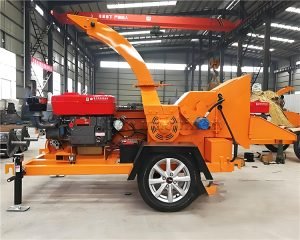
Wood chipper, also known as wood crusher or branch crusher, is suitable for crushing various materials, mainly including the following categories
View details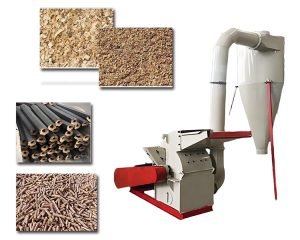
Seen piles of wood scrap and just thought 'waste disposal'? Or maybe 'boiler fuel'? Friend, let me tell you – that's just scratching the surface. The real magic happens after the crusher. True value comes not just from crushing, but from...
View details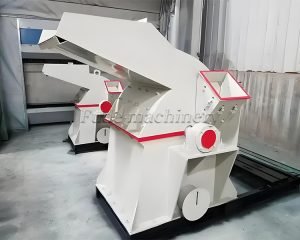
Wood crusher is an advanced fine crushing equipment with a wide range of applications, mainly reflected in the following aspects: In summary, wood crushers have a wide range of applications in wood processing, biomass energy, agriculture, environm...
View details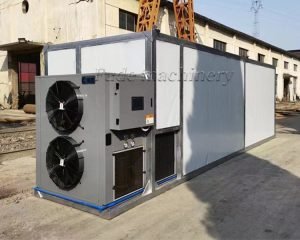
The wood drying oven is an important equipment used for wood drying, and its advantages and disadvantages are analyzed as follows: In summary, the wood drying oven has the advantages of high drying efficiency, easy operation, high drying quality, ...
View details
HelloPlease log in