Are you struggling with mounting waste disposal costs? Do those piles of wood scraps or crop residues seem like a burden? We help you turn them into valuable biomass pellets!
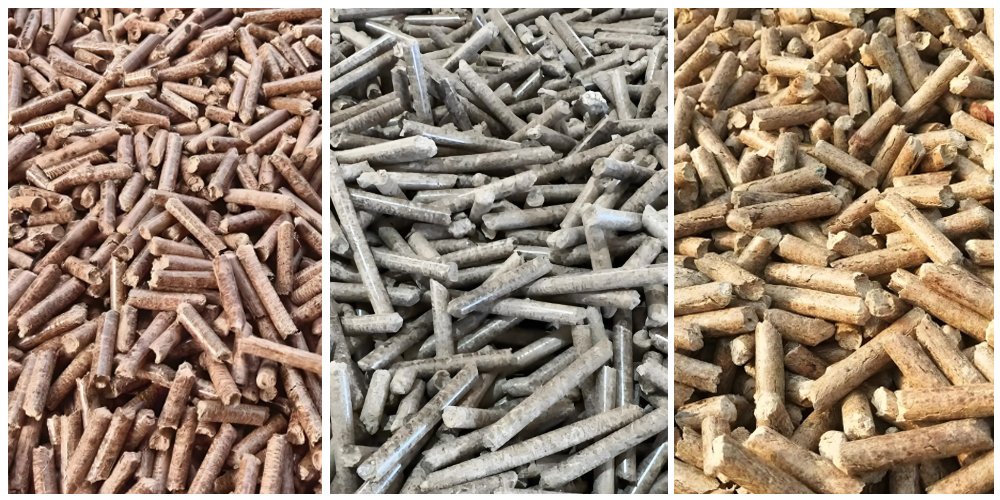
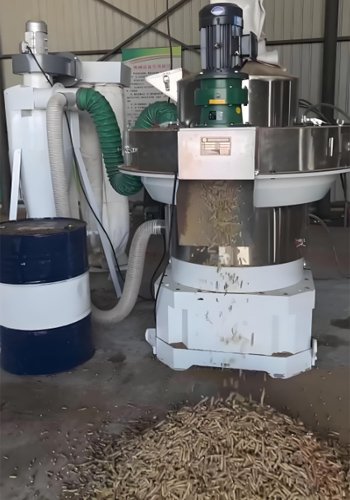
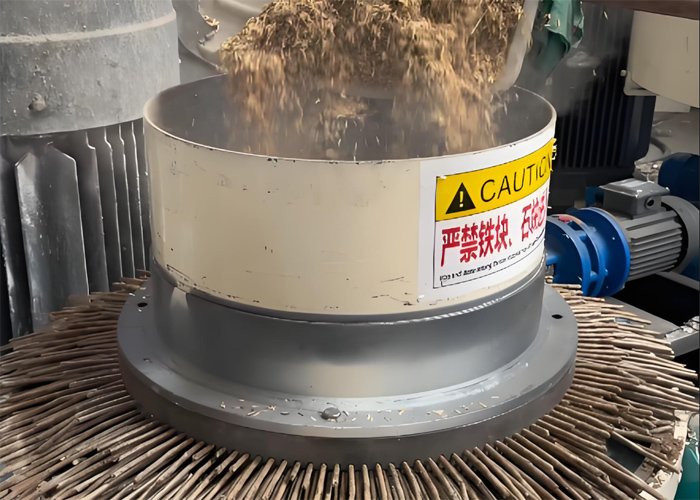
Biomass pellet mills primarily process wood materials like sawdust, shavings, and branches. They also effectively handle agricultural residues such as straw, corn stalks, and rice husks, plus other organic wastes.
Understanding the full range of suitable materials helps you maximize your resources and profitability. It opens up possibilities for using locally available waste streams. Let’s explore the specific types of materials you can use in our pellet machines. Knowing this helps you plan your operation better.
What are the most common raw materials for biomass pellet mills?
Are you unsure about which materials give the best results? Worried about pellet quality or machine compatibility? Learn about the most frequently used feedstocks for reliable production.
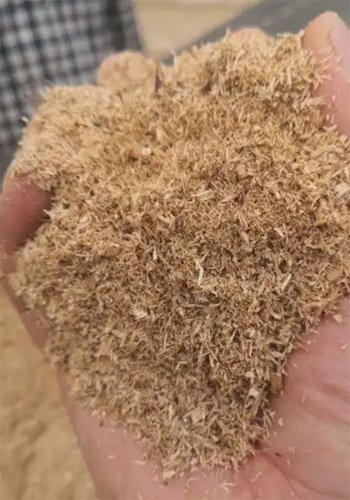
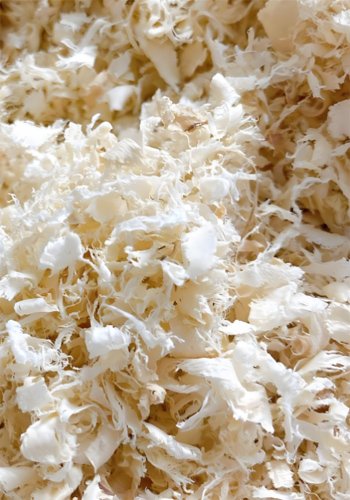
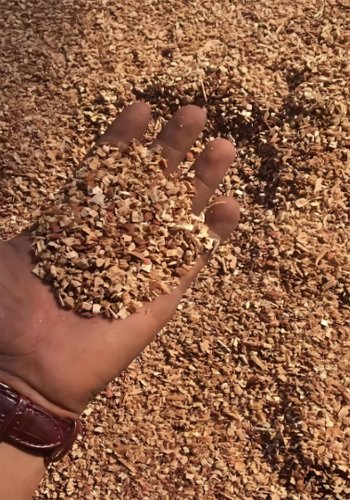
The most common materials are wood processing residues. Think sawdust, wood chips, and shavings. Forestry leftovers like branches and treetops are also very popular. This is because they are abundant and have good properties for making pellets.
These materials are favourites for good reasons. They are often readily available at low cost, especially if you are in the wood processing or forestry industry. They also contain natural lignin, which acts as a binder during the pelletizing process. This means you often don’t need to add extra binding agents. We design our pellet machines to handle these common materials efficiently.
Wood Processing Byproducts
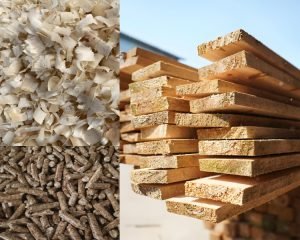
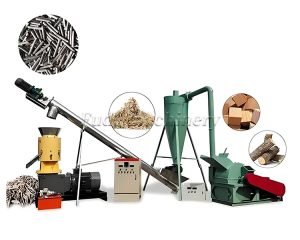
Sawmills, furniture factories, and wood workshops generate large amounts of sawdust, shavings, and wood chips. Instead of treating these as waste, you can convert them into high-value energy pellets. This reduces disposal costs and creates a new revenue stream. Our machines, like the wood chip production line, can prepare these materials perfectly.
Forestry Residues
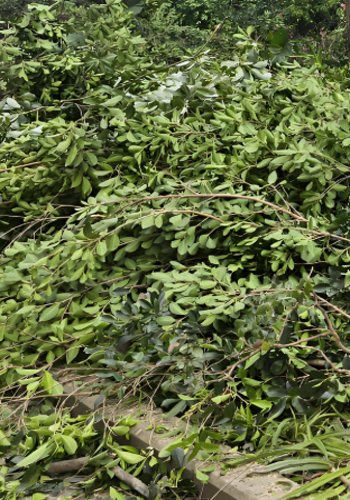
Logging operations leave behind branches, treetops, and small-diameter logs. These materials are excellent for pellet production. Using them promotes forest health by reducing waste left on the forest floor. Our mobile crushers are great for processing these materials directly in the field, saving transport costs.
What specific types of wood waste can be used?
Do you have piles of mixed wood waste like old pallets or construction scraps? Are you unsure if these diverse types can actually be pelletized? Discover the wide variety of wood waste suitable for your pellet mill.
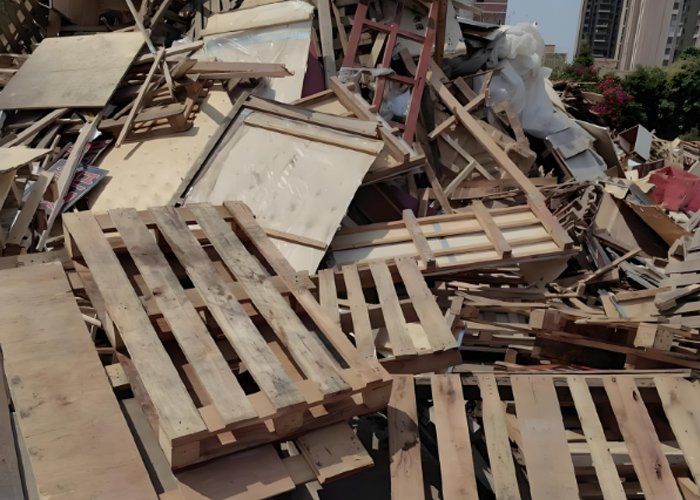
Many types of wood waste work well. This includes sawdust, shavings, chips, branches, logs, and bark. You can also use construction wood scraps, discarded pallets, and even old furniture waste, once you remove metal or plastic parts. The most important thing is proper preparation.
The flexibility of our pellet machines means you can tap into various wood waste streams. This increases your potential feedstock sources. However, different types require different handling. For example, bark might have higher ash content. Construction wood needs careful cleaning to remove nails or screws. Hardwoods and softwoods pellet slightly differently due to density and lignin content. We can help you configure the machine based on your primary materials. This is part of our customization service.
Softwood vs. Hardwood
Both softwoods (like pine, spruce) and hardwoods (like oak, birch) can be pelletized. Softwoods generally pellet easier due to higher lignin content but produce slightly less dense pellets. Hardwoods require more pressure but yield denser, higher-energy pellets. Often, a mix works well.
Processed Wood Waste
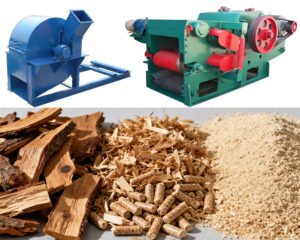
Materials like used pallets, crates, and construction timber are usable. The main challenge is removing contaminants like nails, screws, paint, or plastics. Our robust crushers, such as the Comprehensive Crusher, can handle tougher materials, but pre-sorting is crucial for pellet quality and machine safety.
Necessary Pre-processing
Most wood waste needs size reduction before pelletizing. Large pieces require chipping or crushing. Consistent, small particle size (usually under 5mm) is essential. Moisture content must also be controlled, ideally between 10-15%. We offer equipment like drum chippers and rotary dryers as part of a complete line.
Can crop stalks and agricultural waste also be made into pellets?
Are you a farmer dealing with large amounts of straw or stalks after harvest? Does burning this waste cause pollution and seem like a waste of resources? You can turn these agricultural leftovers into valuable fuel or animal feed pellets.
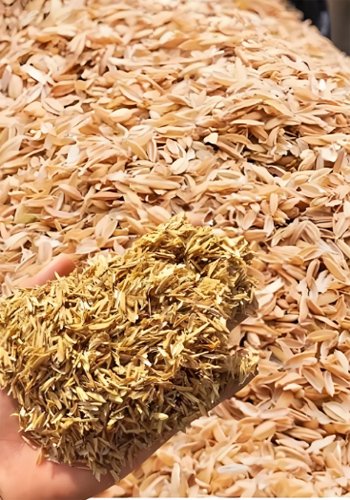
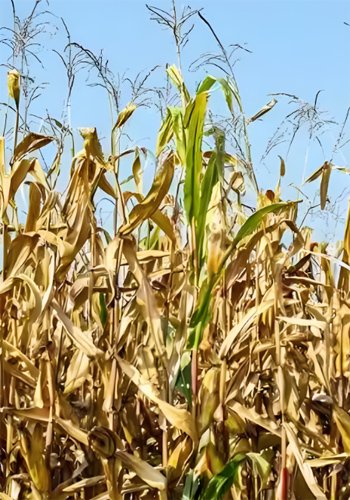
Absolutely. Crop stalks are very suitable. This includes corn stalks, wheat straw, rice straw, and cotton stalks. Other agricultural residues also work well. Examples are rice husks, peanut shells, and sugarcane bagasse. These are excellent feedstocks for biomass pellet mills.
Using agricultural waste for pellets offers significant benefits, especially for farming communities. It provides a solution for managing large volumes of residue generated after harvest. Instead of burning, which causes air pollution, pelletizing converts it into a useful product. These pellets can be used as biofuel for heating or cooking, or as animal feed depending on the material and processing. Our Feed Pellet Mills are specifically designed for feed production. However, agricultural materials can sometimes present challenges, like lower bulk density or higher ash content compared to wood. Our experience allows us to customize the pellet mill settings (like die compression ratio) for optimal results with these feedstocks. Pre-processing like chopping or crushing using a straw crusher is usually necessary.
Common Agricultural Feedstocks
Many types are suitable:
Corn Stover (stalks, leaves, cobs)
Wheat Straw
Rice Straw
Rice Husks
Cotton Stalks
Sugarcane Bagasse
Soybean Straw
Peanut Shells / Hulls
Benefits of Using Agri-Waste
Using these materials turns a disposal problem into an opportunity. It promotes circular economy principles within agriculture. It provides farmers with an additional income source or a cheaper fuel/feed alternative. It also reduces reliance on fossil fuels or traditional wood resources.
Potential Challenges
Some agricultural materials have high silica or ash content (like rice husks), which can cause faster wear on machine parts and affect pellet burning quality. Some have lower lignin content, potentially requiring binders or specific process conditions. Their lower bulk density means handling and storage need consideration. We provide full-service support to help you overcome these challenges.
Besides wood and crops, what other “hidden” materials can be used?
Are you looking for alternative, potentially lower-cost materials for your pellet mill? Could you be overlooking readily available organic waste streams nearby? Let’s uncover some less common but still viable feedstocks.
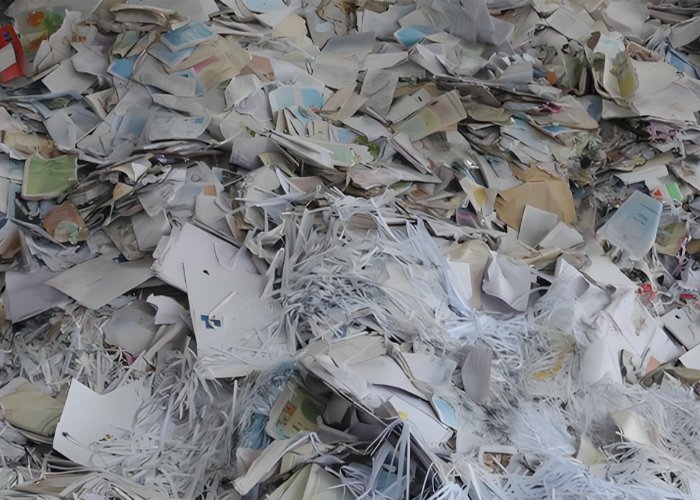
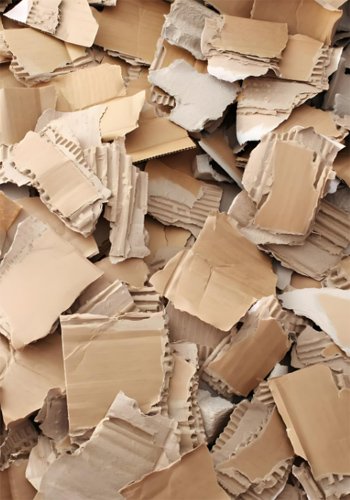
Other options exist beyond the usual suspects. You can consider paper waste and cardboard. Waste from mushroom cultivation (spent substrate) is another possibility. Certain types of industrial sludge, if properly treated and safe, might work. Things like coconut shells, palm kernel shells, and even dedicated energy crops like switchgrass are also used.
Exploring these alternative materials can be very beneficial. They might be available locally at very low cost, especially if they are considered waste products by other industries. This can significantly improve the economics of your pellet production. However, these materials often require more careful evaluation and testing. Their properties can vary greatly. For example, paper has very low ash but might need a binder. Mushroom waste is often moist but contains beneficial fungal biomass. Nut shells are dense and make excellent fuel pellets. As manufacturers with direct sales, we have experience with diverse materials and can offer customized solutions.
Fiber-Based Wastes
Waste paper and cardboard can be pelletized, often mixed with other biomass. They need shredding first. The resulting pellets are usually low in ash. This is common in recycling operations.
Agricultural Byproducts (Nuts/Shells)
Hard shells from nuts like coconuts, palm kernels, or even olive pits make very dense, high-energy pellets. They are excellent fuel sources. Availability depends on regional agriculture. Fude’s robust machines can handle these harder materials.
Specialized & Other Wastes
Mushroom Cultivation Waste: The leftover substrate after harvesting mushrooms is rich in organic matter and can be pelletized, often for fertilizer or soil conditioner use. We supply machines to many edible mushroom cultivation bases.
Energy Crops: Plants grown specifically for energy, like miscanthus or switchgrass, pellet well but require harvesting and processing infrastructure.
Textile Waste: Certain natural fiber textile wastes (like cotton scraps) could potentially be used, but require careful assessment for contaminants.
Treated Sludge: Some organic industrial or municipal sludges, after proper treatment to remove hazardous components and reduce moisture, can be pelletized, often mixed with other biomass. This requires strict quality control.
How do I know if my material is suitable for pelletizing?
Do you have a potential raw material in mind but feel unsure if it will actually work in a pellet mill? Are you worried about risking machine damage or ending up with poor-quality pellets? Learn the key factors to check for material suitability.
Several key factors determine suitability. Moisture content is critical – ideally around 10-15%. Particle size needs to be small and uniform, typically less than 5mm. Lignin content helps bind pellets naturally. Low levels of contaminants like dirt, sand, metal, or plastic are essential. Testing a sample is always recommended.
Evaluating your potential feedstock thoroughly before committing to large-scale production is vital. Getting it right avoids operational headaches and ensures you produce high-quality pellets consistently. We, at Fude Machinery, have extensive industry experience and can assist you in this process. Our full-service support includes helping customers assess materials. We can often run tests if you provide samples. Understanding these factors helps you prepare your material correctly.
Factor
Ideal Range/Condition
Why It Matters
Relevant Fude Equipment
Moisture Content
10-15%
Binding, die flow, pellet density/durability
Rotary Dryer
Particle Size
< Die hole diameter (~3-5mm)
Prevents blockages, ensures compaction, quality
Wood Crusher, Hammer Mill
Lignin Content
Sufficient for binding
Natural glue for strong pellets
Standard Pellet Mill design works well
Ash Content
As low as possible
Pellet burning quality, less stove maintenance
Material selection is key
Contaminants
Minimal/None
Prevents machine damage, ensures pellet purity
Pre-processing line design, Screens
We help you transform a wide variety of organic materials, from wood waste to agricultural residue, into valuable biomass pellets. Contact Fude Machinery for your customized pelletizing solutions.
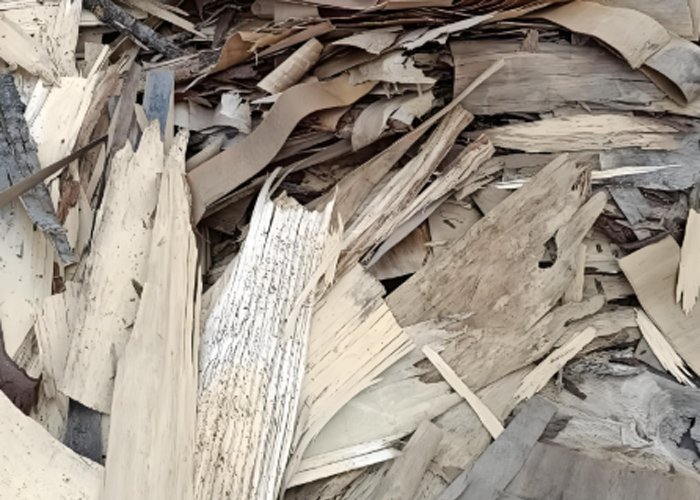
If you run a plywood factory,Every day, your operation generates mountains of wood residue: sawdust from sanding, veneer clippings, core cut-offs, and edge trimmings. For most factories, this waste represents a significant cost and a logistical h...
A wood chipper is a powerful machine that cuts large pieces of wood into small, uniform pieces called wood chips. We at FUDE Machinery are a specialized B2B manufacturer of these machines. The main job of a wood chipper is to take low-value raw m...
 Fude Machinery-wood crusher manufacturer

HelloPlease log in