Making your own chicken feed pellets is a great idea. But where do you even start? It can seem a little bit tricky to get everything right. I can help you understand the most important things to watch out for to make good feed.
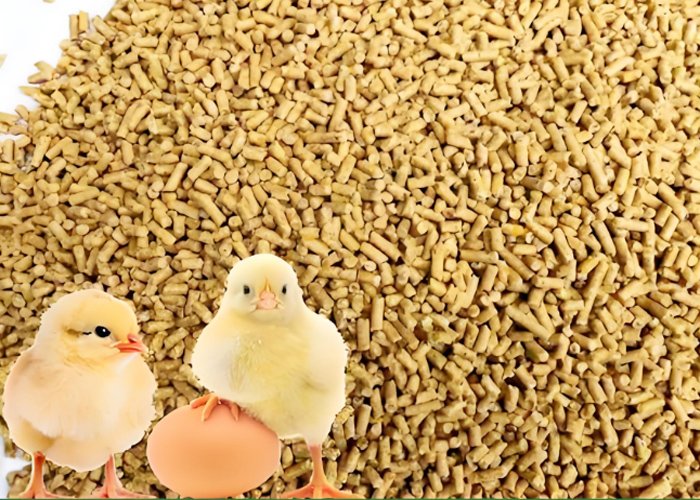
Making good chicken feed pellets needs careful ingredient selection, proper grinding, correct moisture levels, a reliable pellet machine with the right die, and proper cooling and storage to keep them fresh and nutritious for your chickens.
Making your own feed gives you a lot of control. You know exactly what your chickens eat. Let’s look at the key things you need to consider step by step.
What Ingredients Should I Use for Chicken Feed Pellets?
Picking the best ingredients is super important for healthy chickens. Wrong ingredients mean bad feed. Your birds might not grow well or lay eggs. Learn what goes into a balanced chicken pellet diet.
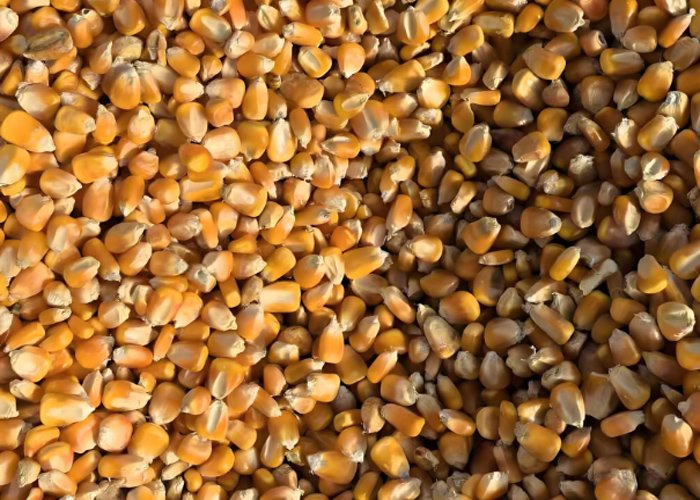
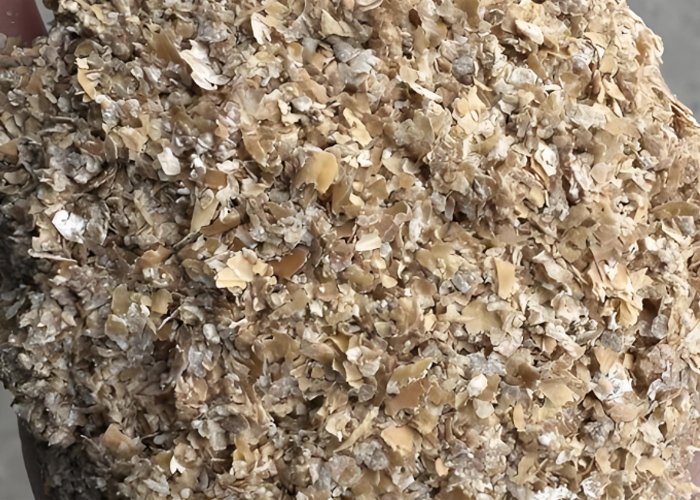
Use a mix of grains like corn, wheat, and barley. Add protein sources like soybean meal or fish meal. Include vitamins, minerals, and possibly supplements for a complete diet. Follow established poultry nutrition guidelines for best results.
Making chicken feed starts with choosing the right parts. Your chickens need a balanced diet. They need energy from grains. They need protein to grow and lay eggs. They also need vitamins and minerals to stay healthy. You cannot just use one thing. You need a mix of different things. Grains like corn, wheat, or oats give energy. Protein comes from things like soybean meal, sunflower meal, or even dried insects. You need to add special mixes of vitamins and minerals. These are very important. They fill in the gaps that grains and protein sources might miss. Sometimes, you need to add other things. These could be calcium for strong eggshells or special supplements for gut health. The mix changes depending on the age of your chickens. Young chicks need more protein than laying hens. Laying hens need more calcium. You must follow recipes or guidelines made for poultry nutrition. These guidelines tell you the right amount of each type of ingredient. Using the wrong amounts can make your chickens sick. It can make your feed not work well. A good mix makes healthy chickens. Healthy chickens produce more.
Understanding Ingredient Types
Different parts of the feed do different jobs. Some give energy. Some build muscles. Some keep chickens healthy.
Balancing Nutrient Needs
The amount of each ingredient changes. This depends on the chicken’s age. Starter feed for chicks has high protein. Layer feed has high calcium.
How Do I Prepare Ingredients Before Pelleting?
Ingredients need special work before they become pellets. You cannot just mix them raw. Just mixing won’t work right. You need specific steps to get ready. I will explain how to get your ingredients ready for the machine.
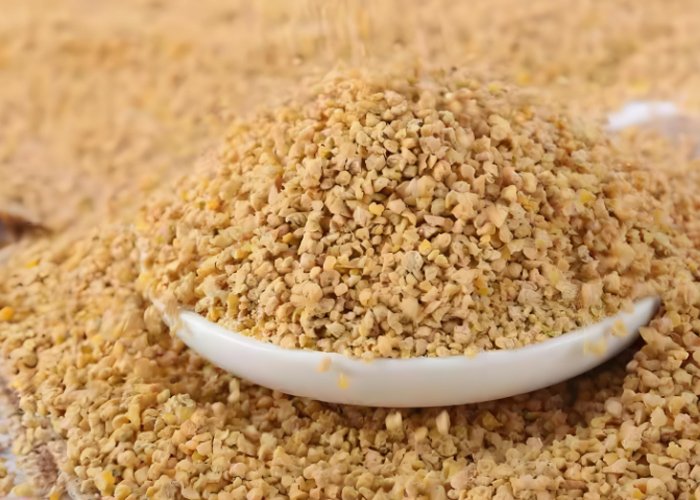
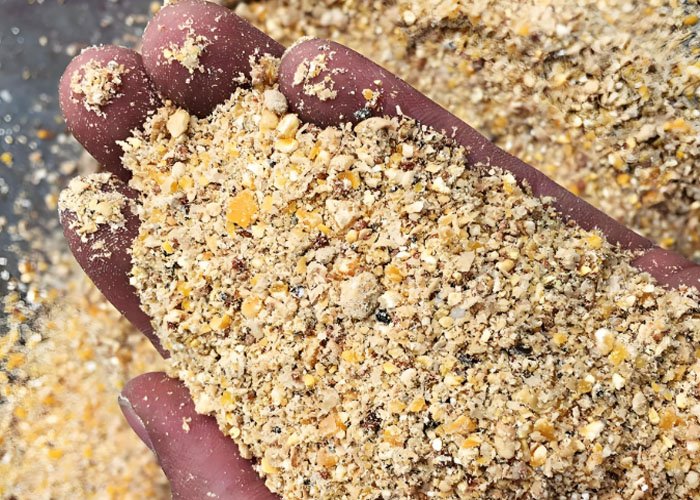
First, grind all ingredients to a uniform particle size. This helps everything mix well. It also makes better pellets. Then, mix all dry ingredients together completely. After that, add any liquid binders or moisture. Get the moisture just right for the pellet machine.
Getting the ingredients ready is a very important step. It makes sure the pelleting process works. It also makes sure the final pellets are good quality. The first step is grinding. You need to grind all the solid ingredients into small pieces. The size of these pieces matters a lot. If the pieces are too big, the mix will not be uniform. The pellet machine might clog. The pellets might break easily. If the pieces are too small, the machine might overheat. The pellets might not form right either. You need a grinder that makes a consistent size. A hammer mill or a disc mill can work. After grinding, you must mix everything together perfectly. Every single pellet should have the same amount of each ingredient. If you do not mix well, some pellets will have too much protein. Some will have too little calcium. This is not good for your chickens. You need a good mixer. It should mix fast and completely. The last step is getting the moisture right. The mix cannot be too dry. It cannot be too wet. If it is too dry, the pellets will not form. They will be dust. If it is too wet, the machine will clog. The pellets will crumble. The right moisture level helps the ingredients stick together. It helps the machine work smoothly. You might need to add water. You might need to add a liquid binder. Things like molasses or a special clay can help.
Why Grind Ingredients?
Grinding makes all particles small. This helps them mix well. It makes pelleting easier.
Getting the Mix Right
All ingredients must be spread evenly. Use a good mixer. Mix for enough time.
Moisture is Critical
The feed mix needs the right amount of water. Not too much, not too little. This helps form strong pellets.
What Equipment Do I Need to Make Pellets?
Making pellets needs the right machines. It is not something you can do by hand easily. Without correct machines, making feed pellets is impossible or very difficult. You need special tools to get the job done well. Find out the essential equipment for making chicken feed pellets.
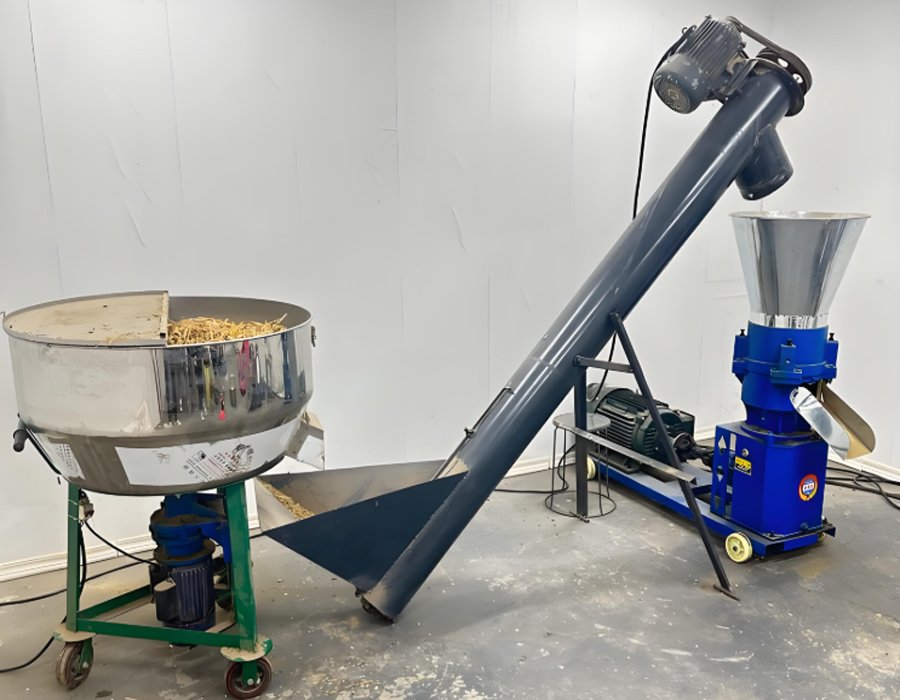
You need a grinder to size the ingredients first. A mixer makes sure everything is evenly spread out. The most important machine is a pellet mill or a pellet machine. This machine turns the mix into pellets. You might also need a cooler after pelleting. You might need a screen too.
You need a few key pieces of equipment to make feed pellets. The first is a grinder. This machine takes your raw ingredients, like corn or soybean meal, and breaks them into smaller pieces. As I said, particle size is important. Different grinders work in different ways. Hammer mills hit the material with hammers. Disc mills grind between rotating discs. Choose a grinder that fits your scale of production. Next, you need a mixer. Mixing makes sure that every scoop of your feed mix has the right balance of nutrients. If your mix is not uniform, your chickens will not get balanced nutrition. There are simple mixers for small amounts. There are large, complex mixers for big operations. The heart of the pellet making process is the pellet mill. This machine takes your mixed and conditioned feed and presses it into pellets. There are different types, like flat die pellet mills or ring die pellet mills. For making chicken feed at home or on a small farm, a flat die pellet mill is often used. It is simpler and costs less. Inside the pellet mill, a die has holes. Rollers push the feed mix through these holes. This forms the pellets. The die size determines the pellet diameter. You need different dies for different ages of chickens. After the pellets come out of the mill, they are hot and soft. You need to cool them. A cooler removes heat and moisture. Screening removes fine particles and broken pellets.
Equipment Name
Main Function
Why You Need It
Common Types
Grinder/Mill
Reduce ingredient size
Uniform particle size for mixing & pelleting
Hammer Mill, Disc Mill
Mixer
Blend ingredients evenly
Ensure balanced nutrition in every pellet
Horizontal Mixer, Ribbon Mixer
Pellet Mill
Form pellets from feed mix
Create the final pellet product
Flat Die Mill, Ring Die Mill
Cooler
Remove heat and moisture from pellets
Increase pellet hardness, prevent mold
Counterflow Cooler, Tray Cooler
Screen
Remove fines and broken pieces
Improve pellet quality and reduce waste
Vibrating Screen
How Do I Actually Make the Pellets?
You have your ingredients ready. You have your equipment set up. Now, how do you actually turn the mix into pellets? The process needs specific steps. You need to pay attention to details. I will guide you through the steps of the pelleting operation.
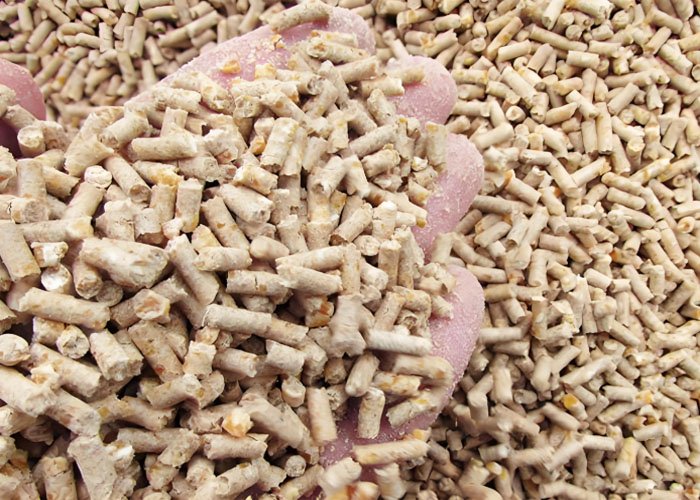
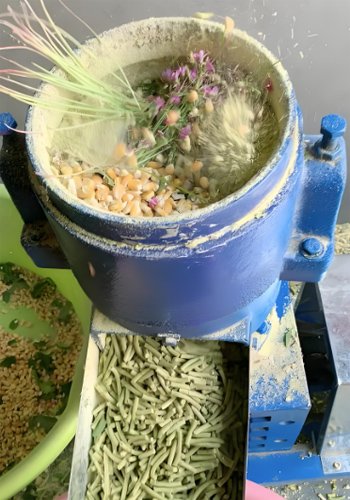
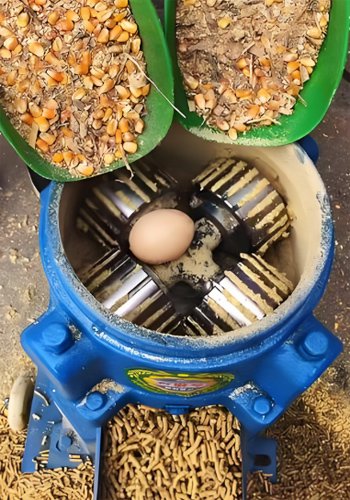
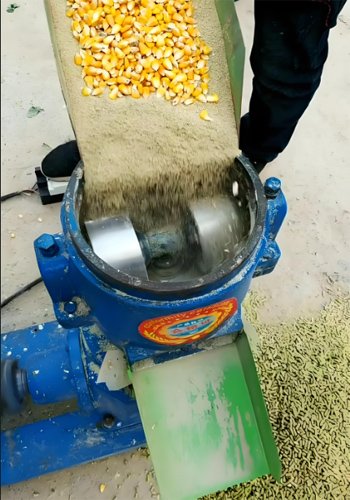
First, make sure your pellet mill is clean and set up. Start the machine. Slowly feed the mixed ingredients into the machine’s inlet. Inside, rollers push the mix through the die’s holes. This pressure and friction make the pellets. Cut the pellets to the right length as they come out. Watch the machine temperature and the speed you feed the mix.
The actual process of making pellets involves a few key steps. Once your feed mix is ready with the correct moisture, you feed it into the pellet mill. The mix goes into the chamber where the die and rollers are. The rollers press the mix against the die. The pressure forces the material through the holes in the die. As the mix is pressed through, it gets hot. This heat comes from friction. The heat helps bind the ingredients together. It also makes the natural starches in the grains gelatinize. This makes the pellets stronger. As the material comes out the other side of the die, it forms a long strand. A knife or cutter cuts these strands into short pellets. You need to set the cutter to the right length. Different chicken ages need different pellet lengths as well as diameters. While the machine is running, you need to watch it. Make sure the feed is flowing smoothly. Check the temperature of the machine. If it gets too hot, it can damage nutrients in the feed. It can also wear out the die and rollers faster. If it is not hot enough, the pellets will be soft or not form at all. The speed at which you feed the mix is also important. Feed too fast, and the machine might clog. Feed too slow, and you might not get good pellets or heat. Troubleshooting is part of the process. If pellets are not forming, check moisture. Check feed rate. Check the die condition. If pellets are crumbling, they might need more moisture or a binder. They might need better cooling.
The Pelleting Mechanism
Pressure and friction push mix through holes. This makes heat. Heat helps bind the feed into pellets.
Choosing the Right Die
The die has holes. The size of the holes makes the pellet diameter. Choose the size right for your chickens.
Monitoring and Controlling the Process
Watch the machine temperature. Control how fast you add the mix. This helps make good, hard pellets.
Making homemade feed pellets needs attention to ingredients, preparation, equipment, the process itself, and storage for healthy chickens and good results.
Fish farming needs good feed. Bad feed wastes money and hurts fish health. What is the best feed choice? The best fish feed depends on the fish species, age, and farming goal. It needs balanced nutrients, high digestibility, and often comes as sta...
It is well known that poultry feed costs account for 65-75% of the total cost of poultry production and operation. Therefore, proper chicken feed formulation is very important. Sometimes, a small mistake in poultry formulation can increase the cos...
The working principle of a box type wood dryer is mainly to control the temperature and humidity of the environment in which the wood is located, so that the moisture inside the wood gradually dissipates, achieving the goal of reducing the moistur...
Biomass briquettes have high density and hardness due to the high temperature and high-pressure conditions during the production process. Therefore, this kind of sawdust briquettes is a good fuel with the characteristics of long burning time and h...
 Fude Machinery-wood crusher manufacturer
HelloPlease log in