Want better chicken health? Is feed waste a problem? Pellet feed can solve these issues.
Pellet feed gives chickens balanced nutrition every time. It cuts down on waste. It helps chickens grow better and stay healthier. This makes managing your flock easier.
Pellet feed offers several advantages for your chickens. We can look at each benefit.
Does pellet feed provide consistent nutrition?
Worried your chickens pick out parts of their food? Is their diet uneven? Pellet feed stops this problem.
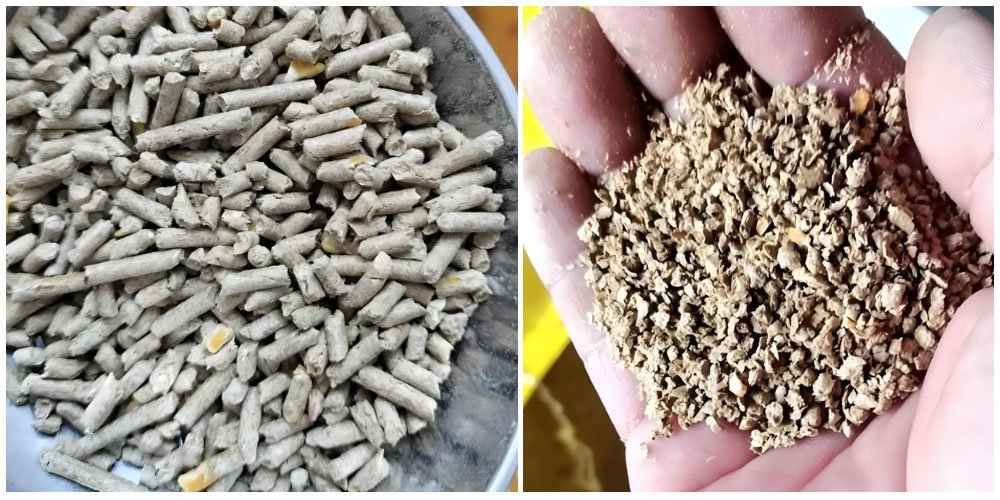
Pellet feed mixes all feed ingredients together tightly. Every pellet has the same mix of proteins, energy, vitamins, and minerals. Chickens eat a full, balanced diet with every bite.
Chickens can be picky eaters with mash or crumbles. They might eat just the tasty bits. This means they miss important nutrients. Pellet feed stops selective eating. Each chicken gets the full formula. This leads to more uniform growth across the flock. Nutrients are delivered directly. They are easier for the chicken’s body to use.
Ensuring Uniform Intake
Chickens cannot easily separate ingredients in pellets. They eat the whole pellet. This means every chicken gets the planned diet.
Reducing Selective Eating
Mash allows chickens to pick favorites. Some chickens get too much of one thing. Other chickens get too little of another. Pellets make every bite the same.
Optimizing Nutrient Delivery
The pelleting process uses heat and pressure. This changes starches. Nutrients become more available. Chickens absorb more goodness from the feed.
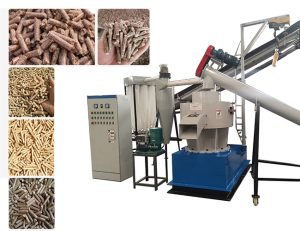
When making chicken feed, selecting a suitable feed pellet machine requires comprehensive consideration of the following key factors:
Clarify production demand and scale
Production matching: Select the machine model that is suitable for hourly production based on the scale of aquaculture. For example, small farms (80-800kg/h) can use flat die pellet machines (easy to operate, low cost), while large processing plants (1-20 tons/hour) need to use ring die pellet machines because of their high output, stable pellet quality, and long lifespan.
Power conditions: Check whether the equipment power matches the power supply of the site, such as three-phase power demand.
Raw material characteristics and particle usage
Raw material type and moisture content: Different raw materials (such as corn, soybean meal, straw) need to be adapted to different compression ratios of molds. For example, high moisture raw materials require the use of extrusion pellet machines, while dry raw materials are suitable for flat die machines. The moisture content of raw materials should be controlled within 12% -15%, and if it is too high, drying equipment should be equipped.
Particle usage: If used for sales, it is necessary to ensure that the particle has a smooth appearance and moderate hardness; For personal use, the appearance requirements can be relaxed.
Equipment performance and technical parameters
Material and durability: Stainless steel or alloy steel molds are preferred for wear resistance and extended service life. Core components such as motors and bearings affect equipment stability.
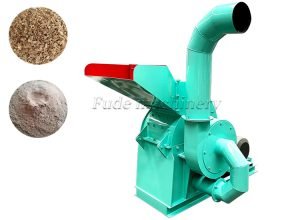
Adjustment function: Select models with adjustable particle size to adapt to different growth stages of chickens (such as 2-3mm particles for chicks and 4-8mm particles for adult chickens). Some models support replacing ring molds or adjusting particle size using crushers.
Safety and Automation: Equipped with overload protection, magnetic iron removal device, and automatic feeding system to enhance safety and efficiency.
The selection of a feed pellet machine needs to be evaluated from multiple dimensions, including production scale, raw material characteristics, equipment performance, cost-effectiveness, and manufacturer services. For example, small farmers can choose flat mold machines, while large processing plants should choose ring mold machines and ensure that particle size can be adjusted to meet the needs of different growth stages. The final decision should be based on on-site trials and economic benefit analysis to achieve efficient and low-cost feed production. Fude Machinery Equipment Manufacturer can customize a suitable feed pellet machine equipment for you based on the above factors.
How does pellet feed reduce feed waste?
Is feed spilled around the feeder? Are you losing money on wasted food? Pellet feed helps stop waste.
Pellet feed is dense and heavy. Chickens cannot easily scratch it out of the feeder. Less feed ends up on the ground. This saves you money over time.
Chickens naturally scratch and peck. Mash and crumbles are light. They fly out of feeders easily when chickens move or scratch. Pellets have more weight. Their shape also makes them stay in the feeder better. This physical difference means less feed waste on the ground. Less waste means lower feed costs. This directly improves your farm’s profit. The dense form also reduces dust. Dust in feed can cause respiratory problems in chickens.
Physical Properties Matter
Pellets are small, dense shapes. They do not scatter like fine particles. They stay in the feeder bowl better.
Less Spillage in Feeders
Chickens cannot flick pellets out easily. Their natural scratching action has less effect. Feed stays where it belongs.
Direct Cost Savings
Less wasted feed means you buy less feed. This lowers your overall costs. It makes feed usage more efficient.
Can pellet feed improve chicken health and growth?
Want your chickens to grow faster? Do you want them to be healthier birds? Feed type plays a big part.
Pellet feed combines better nutrition, less waste, and improved digestion. This leads to faster growth rates. Chickens gain weight more efficiently. They are less likely to get sick.
When chickens get consistent, balanced nutrition, their bodies function better. They can put more energy into growth. Improved digestion means they get the most nutrients from the feed they eat. Less waste means they eat the intended diet, not just favorite parts. Reduced dust improves respiratory health. Overall, the benefits of pellet feed work together. They support stronger immune systems. They lead to lower mortality rates. This results in a more productive and healthier flock.
Synergy of Benefits
All the good things about pellets work together. Better nutrition, less waste, easy digestion. These points build on each other.
Impact on Weight Gain
Chickens use nutrients efficiently. They convert feed into body weight better. This leads to faster growth cycles.
Healthier Immune System
Balanced diet supports immune function. Less stress from competition or dust helps. Stronger birds resist disease better.
Feed Type
Growth Rate Potential
Health Indicator (General)
Mash
Lower
Medium
Crumbles
Medium
Medium-High
Pellets
Higher
High
Choosing pellet feed for chickens makes good sense. It provides balanced nutrition. It reduces wasted feed. It is easy to handle. It leads to healthier, faster-growing birds.
Struggling with scattered waste piles or costly material transport? Heard about mobile crushers but unsure if they fit, or which type you really need? Let an old hand with in the field cut through the noise. A mobile crusher combines processing...
Choosing the right briquetting machine involves understanding different forming principles (screw vs. stamping vs. hydraulic), matching them to raw materials, intended use (fuel vs. charcoal), and considering wear parts costs. Many facto...
 Fude Machinery-wood crusher manufacturer


HelloPlease log in