Q&A on Particle Machines
Question 1: What is the difference between a flat die and a ring die pellet mill?
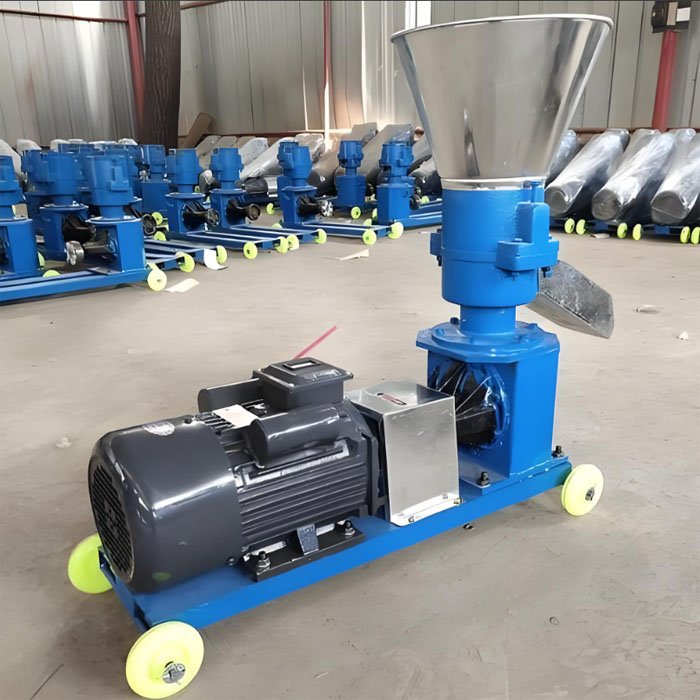
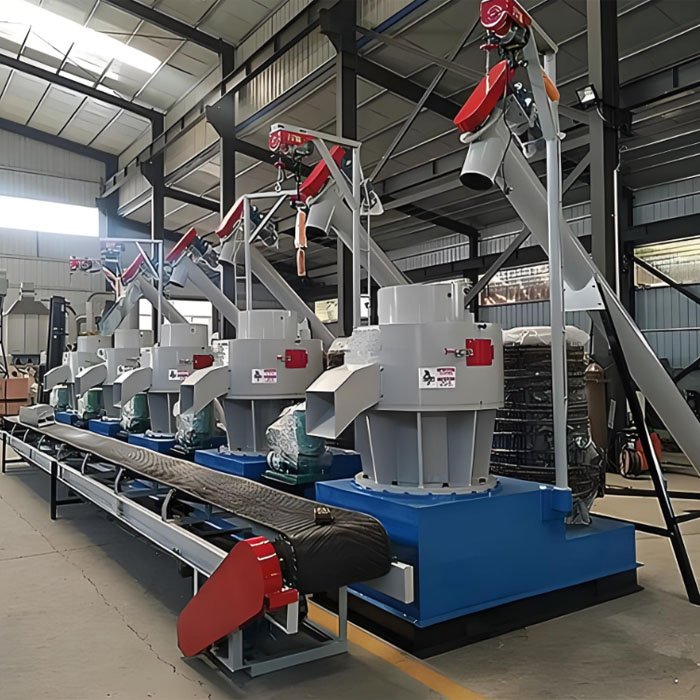
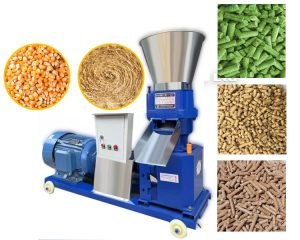
A flat die pellet mill, like the ones we specialize in for farm use, has a horizontal die and is ideal for small to medium-scale production. They are simpler, more robust, and easier to maintain. A ring die mill has a vertical die and is used for very large, industrial-scale feed production (over 2 tons/hour).
Question 2: Do I need to add a binder to the materials?
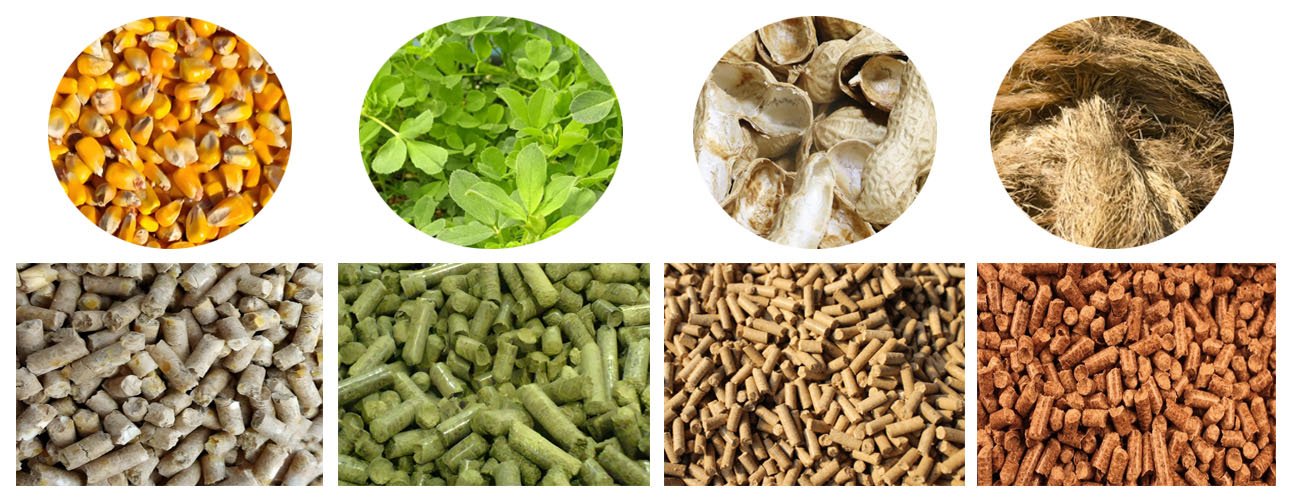
In many cases, no. The natural lignins in the plant materials and the moisture content are often enough to bind the pellet under pressure. For some very low-starch materials, a small amount of binder like molasses or bentonite clay can improve pellet durability.
Selling feed pellet machines: comprehensive recommendations
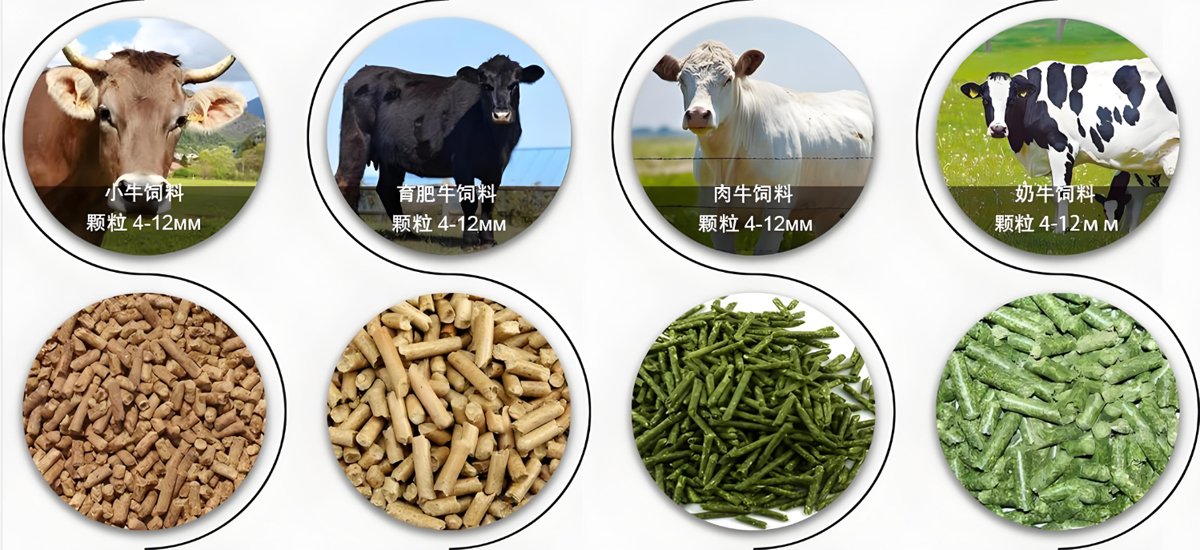
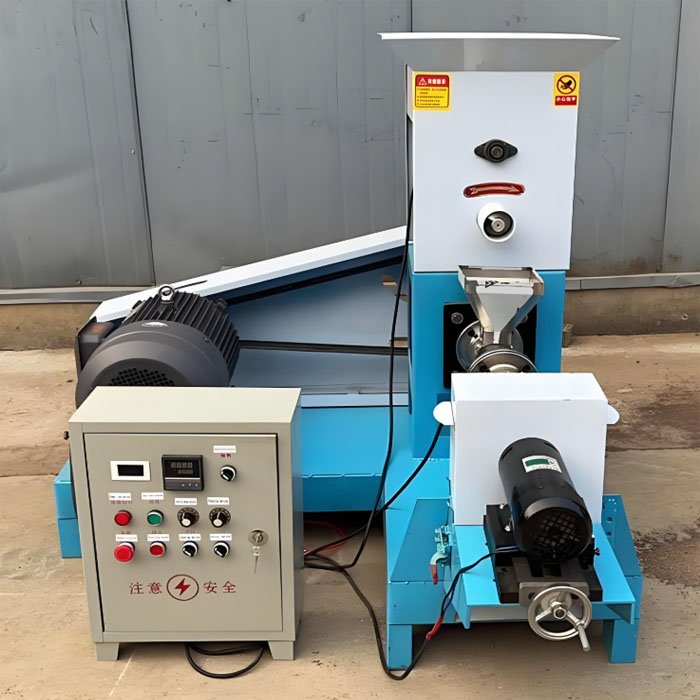
A feed pellet mill is a strategic investment in your farm’s independence and profitability. By taking control of your feed production, you lower your costs, reduce waste, improve animal health, and ultimately produce a better final product. The key is to choose a machine that matches your scale of operation and the specific needs of your livestock.
- Small scale breeding farms (annual output<1000 heads): It is recommended to use a flat mold pellet machine (such as the 120 type, with a yield of 80-100 kg/hour).
- Medium sized breeding farms (annual output of 1000-5000 heads): Optional ring mold pellet machine (such as 250 type, with a production capacity of 0.6-1.5 tons/hour).
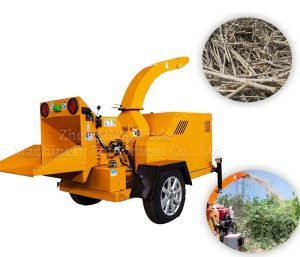
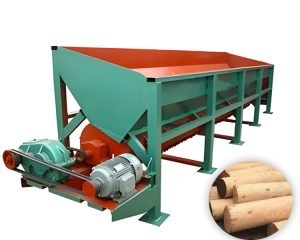
- Large feed mills: It is recommended to install automated production lines, including crushing, mixing, conditioning, granulation, cooling, and other processes.
Your next step is to calculate your daily feed requirements and identify the raw materials you have readily available. With that information, our team can help you select the perfect pellet mill and any necessary pre-processing equipment to create a complete, efficient feed production line for your farm.
 Fude Machinery-wood crusher manufacturer
HelloPlease log in