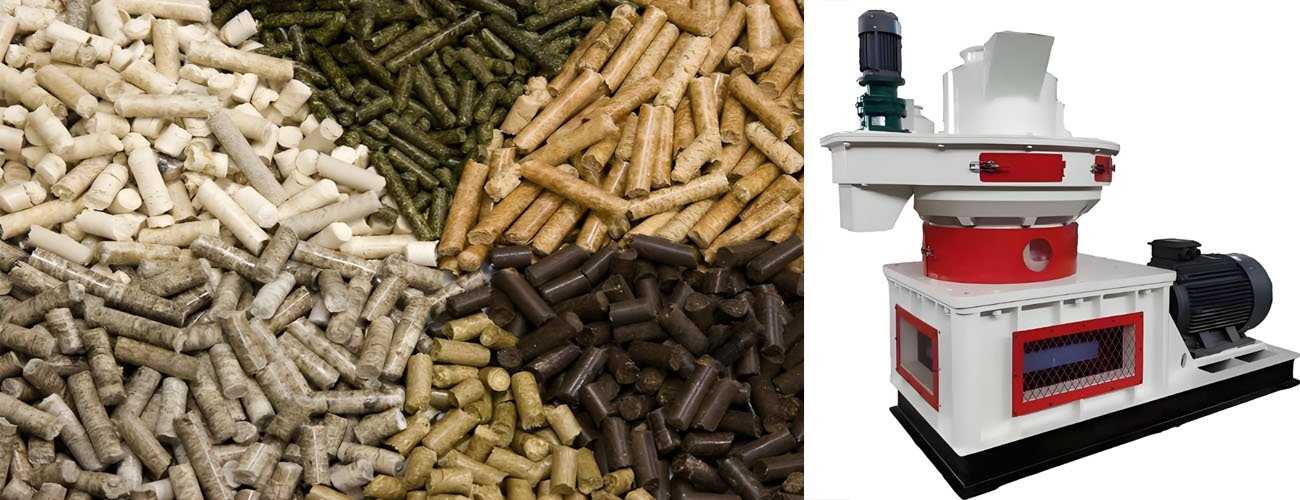
A biomass pellet machine is a specialized piece of equipment that uses physical compression molding technology to convert agricultural and forestry waste (such as wood chips, straw, rice husks, bark, etc.) into high-density pellet fuel.
Using intelligent control technology, the motor power is matched to production requirements (such as 300kg/h to 5t/h models), reducing energy consumption by more than 30%.
The variable frequency motor feeding system is equipped with an overload protection device to ensure stable operation.
Environmental performance
The production process does not generate wastewater or exhaust gas emissions. The combustion of pellet fuel only produces CO₂ and water, with sulfur oxide emissions approaching zero.
Replacing coal with pellets can reduce PM2.5 emissions by more than 80%, which is in line with environmental protection policies.
Key Performance Indicators
Density: 1.1-1.5 t/m³ (raw material density is only 0.6-0.8 t/m³)
Ash Content: ≤2% (coal ash content typically reaches 15-30%)
Combustion Efficiency: ≥98% (coal combustion efficiency is approximately 70-80%)
Types of pellet machines
Classification by mold structure
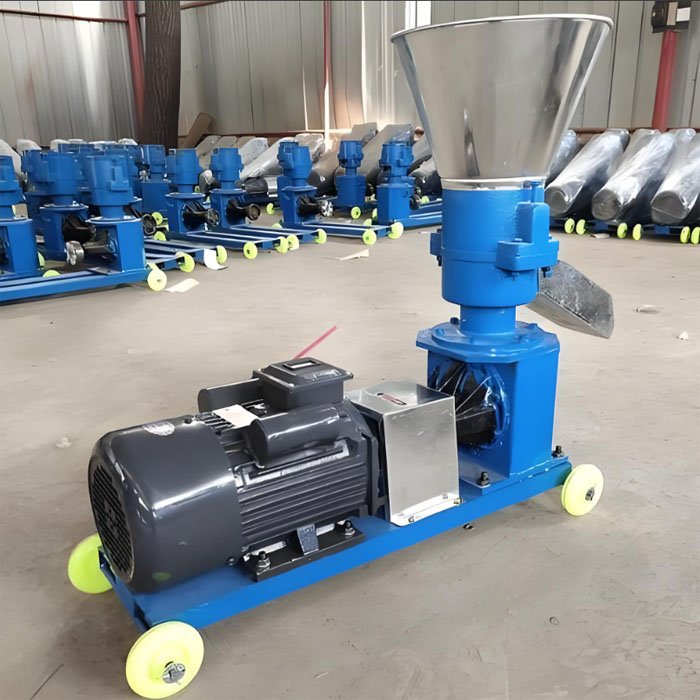
Flat mold pelletizer: The mold is placed horizontally, and the pressure wheel rotates to apply pressure. It is suitable for processing fibrous materials such as straw and rice husks, and is easy to operate with a high cost-performance ratio.
Ring mold pelletizer: The mold is placed vertically in a ring shape, and the pressure wheel rotates to work with the friction force of the mold holes, resulting in greater pressure and better forming results. It is suitable for wood chips and hard materials.
Subtypes: Vertical ring die machine (vertical feeding, uniform material distribution) and horizontal ring die machine (stable transmission, suitable for large-scale production).
Technical principle: Under high temperature and pressure, lignin softens and generates adhesive force, and cellulose molecules rearrange and reorganize, enabling molding without the addition of adhesives. For example, lignin in straw softens at 120-180°C, and under pressure, the fibers are tightly bonded.
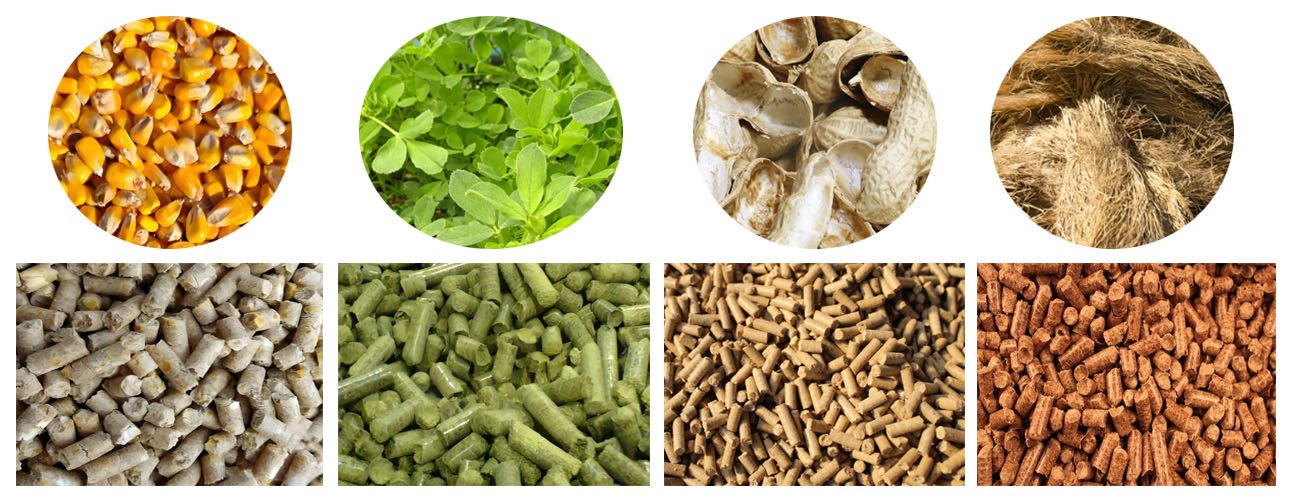
Raw materials suitable for granulator
Our wood pellet machines are incredibly versatile and can process a huge variety of common biomass materials.
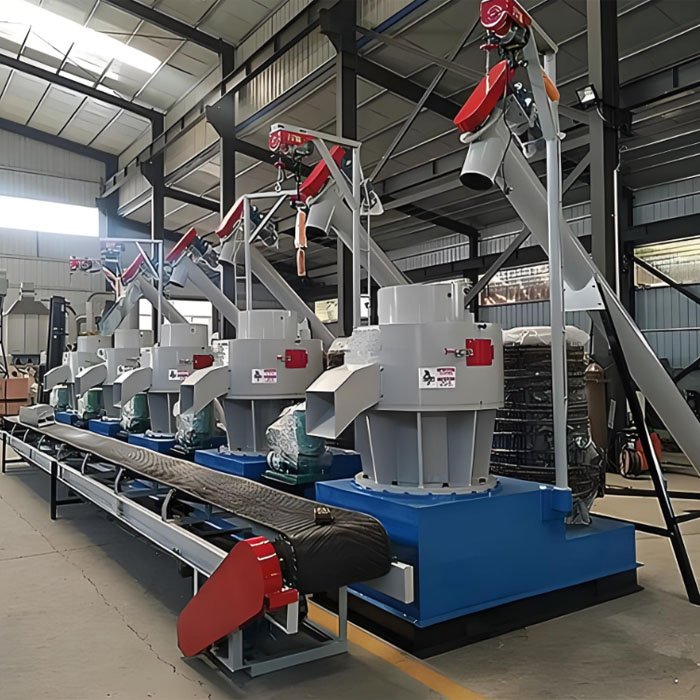
Particle production line configuration: from single units to combinations
The biomass pellet production line uses physical compression molding technology to convert agricultural and forestry waste (such as wood chips, straw, rice husks, peanut shells, etc.) into high-density pellet fuel.
This production line integrates processes such as crushing, grinding, drying, pelletizing, cooling, and packaging, enabling the resourceful utilization of waste materials. The produced pellet fuel can replace traditional energy sources like coal and natural gas, and is widely applied in heating, boilers, power generation, and other fields.
Production Line Classification and Adaptation Scenarios
Wooden production line: with wood chips, waste wood, bark, etc. as raw materials, applicable to wood processing plants, furniture factories and other scenarios.
Straw class production line: taking corn straw, wheat straw, rice husk, etc. as raw materials, applicable to agricultural planting areas, solving the problem of straw burning pollution.
Comprehensive class production line: it can deal with peanut shells, edible fungus residue, urban greening waste, etc., with a wide range of raw material sources and strong adaptability.
See Our Machinery in Action: Solutions for Your Industry
Our equipment is used across a wide range of industries globally. Here is how different businesses use our machines to improve their operations and profitability.
For Wood Recycling & Biomass Energy
Recycling centers and biomass plants deal with the most challenging materials: old construction timber, pallets filled with nails, and mixed forestry residue.
Our Comprehensive Crusher is the perfect tool for this job. It is designed to take this scrap wood and process it—nails and all—in a single pass. After crushing, an optional magnetic separator removes the metal, leaving a clean, uniform biomass fuel ready for a power plant or for further processing in a wood pellet machine. This transforms a disposal liability into a valuable energy source.
For Livestock & Aquaculture Farms
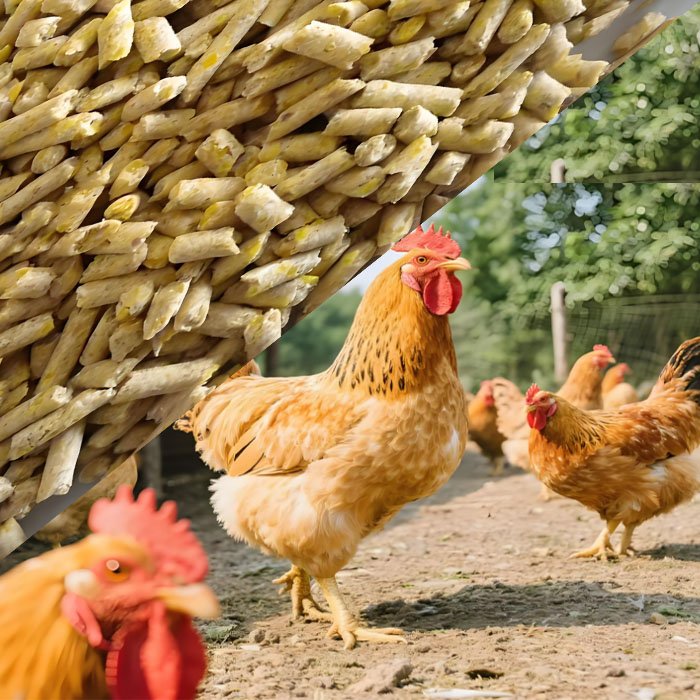
The cost of animal feed is a farm’s biggest expense. Our feed pellet mills put the control back in the hands of the farmer. You can use your own corn, soybeans, alfalfa, or other local crops to create fresh, nutrient-rich pellets.
This not only cuts costs by 30-50% but also improves animal health. Pelleting makes the feed easier to digest and reduces waste from selective feeding. We offer different die sizes to produce perfect pellets for everything from baby chicks and fish to cow and pigs.
For Edible Mushroom & Charcoal Production
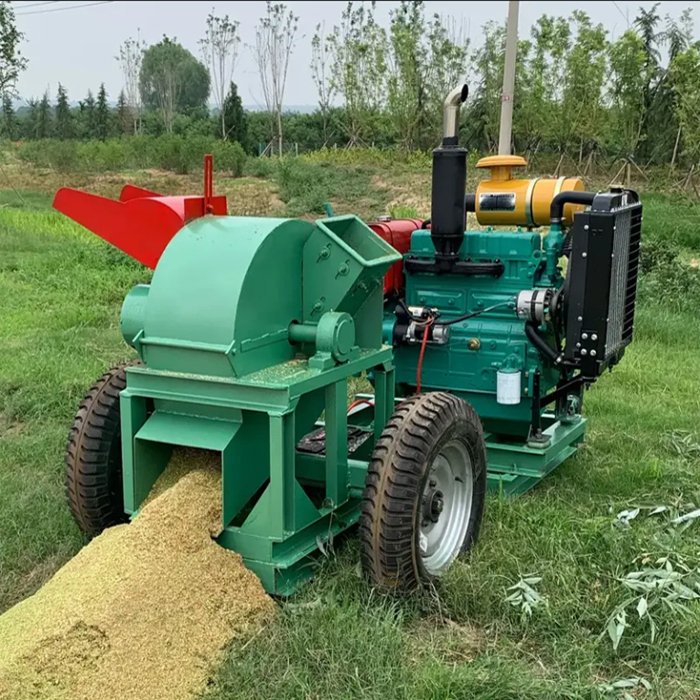
Mushroom growers require a consistent, clean substrate. Our wood crushers are expertly designed to turn logs and branches into the ideal sawdust base for mushroom cultivation. For charcoal producers, the process is key.
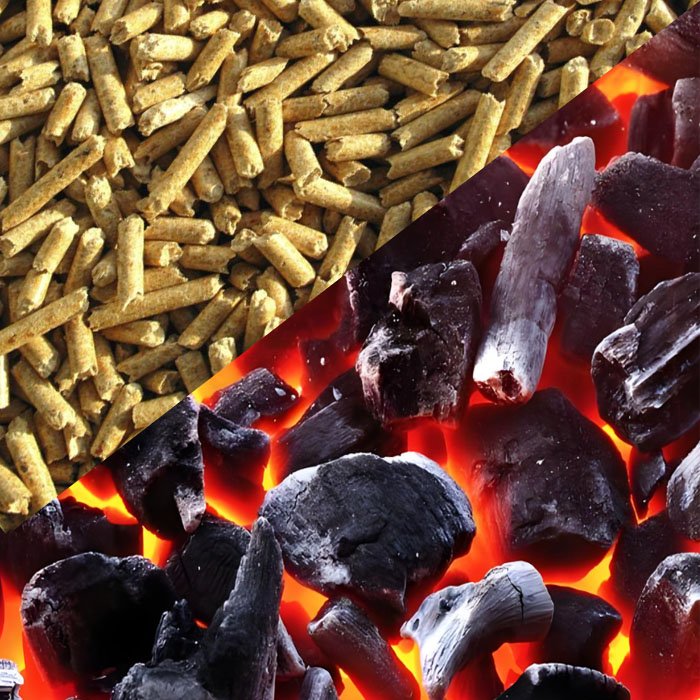
Our complete charcoal production lines provide an end-to-end solution. It starts with crushing the raw material, drying it to the optimal moisture level, carbonizing it in our efficient furnace, and finally, pressing it into uniform, high-density briquettes that burn longer and hotter than traditional charcoal.
How to Choose the Right Wood Pellet Machine for Your Business
To choose the right wood pellet machine, you must match its capacity, power source, and die specification to your specific raw materials and production goals. As a factory, we can configure a machine perfectly suited to your needs.
1. Assess Your Raw Material and Required Capacity
First, calculate how much raw biomass waste your business generates per day. This is the most critical factor in determining the required capacity of your machine, which is measured in kilograms or tons per hour. It is wise to choose a model with a capacity slightly higher than your current output to allow for future growth. Our team can help you analyze your waste stream to recommend the ideal model.
2. Choose the Right Power Source: Electric or Diesel?
Electric Models: These are the most common choice for stationary operations like a workshop, sawmill, or farmstead with access to reliable 3-phase industrial power. They are quieter, have lower running costs, and require less maintenance.
Diesel Models: If you need to produce pellets at a remote site without electricity, such as in a forest or a large agricultural field, a diesel-powered pellet machine offers complete autonomy. We can mount these on a mobile chassis for ultimate portability.
Biomass pellet mill for sale: comprehensive proposal
A wood pellet machine is more than just a piece of equipment; it is a strategic tool for transforming an operational cost into a profitable asset. It allows your business to become more sustainable, energy-independent, and profitable by harnessing the value hidden in your waste.
The path to success lies in choosing the right equipment for your specific needs. Start by quantifying your raw material volumes and defining your goals—whether it’s selling pellets on the open market or reducing your own fuel costs.
Your Next Step: Contact our team of experts at FUDE Machinery. We will provide a free, in-depth consultation to help you design the perfect pelleting solution, from a single machine to a complete, automated production line, all at a competitive factory-direct price.
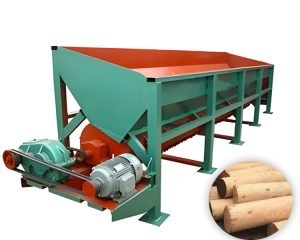
The wood peeling machine is mainly composed of feeding mechanism, discharging mechanism, cutting disc, transmission system, chassis, and other parts, and belongs to one of the wood processing machinery series products; The wood peeling machi...
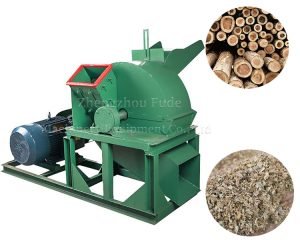
wood crusher machine is an ideal mechanical equipment for producing edible mushrooms and cultivating wood chips. He can process wood, branches, and other raw materials into sawdust. It has various advantages such as small size, small fo...
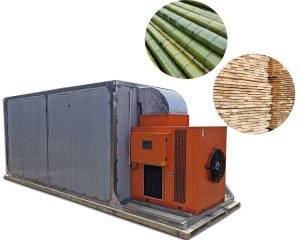
The box dryer is designed and manufactured specifically for drying sawdust, wooden boards, and veneer. It has the characteristics of high drying output, significant energy-saving effects, and low maintenance.Mainly composed of air heater,...
 Fude Machinery-wood crusher manufacturer

HelloPlease log in