Making good duck feed is important. Bad feed causes problems. You need the right process.
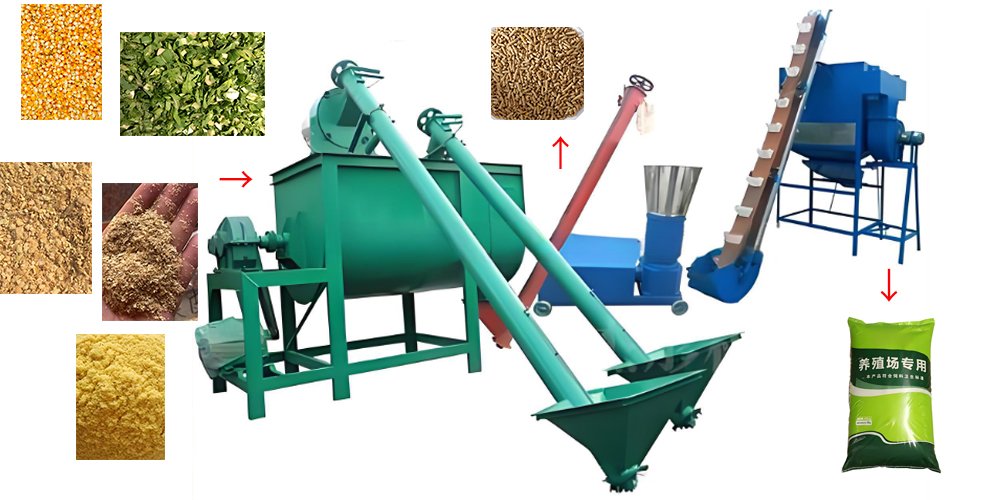
We take raw materials. We process them. We form small pieces. This makes duck feed pellets. This is how we make feed for ducks.
Making quality feed means following steps. You start with ingredients. You end with finished pellets. We build machines for this work.
Key Raw Materials and Their Functions?
Ducks need specific nutrients. Using wrong materials is bad. Their health depends on feed ingredients.
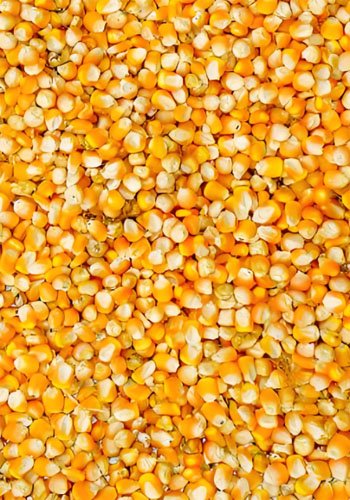
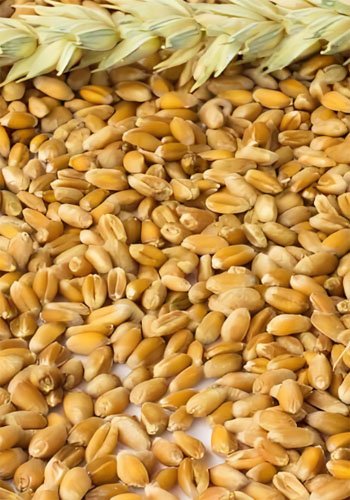
We use grains, proteins, vitamins, and minerals. Grains give energy. Proteins build muscle. Vitamins and minerals keep ducks healthy. These are the main parts.
Raw materials are the base. We choose them carefully. They give ducks the energy they need. They provide nutrients for growth. Different stages of a duck’s life need different feeds. Young ducks need more protein. Older ducks need less. Farmers buy these materials. They might buy corn, soybean meal, or wheat. They also buy supplements. These materials come in different forms. Some are powders. Some are grains. They need to be prepared. This preparation is the first step. We crush large grains. This makes mixing easier. It helps ducks digest the feed better. We ensure materials are clean. Dust and foreign objects are removed. This protects the animals. It also protects the machines. A good formula uses many different things. Each thing does a specific job.
Common Duck Feed Materials and Their Roles
We use many materials. They all help the duck.
Material Category
Examples
Main Function
Grains
Corn, Wheat, Barley
Energy
Protein Sources
Soybean Meal, Fish Meal
Growth, Muscle
Fats/Oils
Vegetable Oil, Animal Fat
Energy, Fat-Soluble Vitamins
Mineral Supplements
Limestone, Dicalcium Phosphate
Bone Health
Vitamin Supplements
Vitamin A, D, E, K, B
Health, Metabolism
Additives
Enzymes, Probiotics
Digestion, Health
These materials must be measured correctly. Wrong amounts hurt the ducks. We use scales and mixers. This makes sure the mix is right. The quality of the raw material matters. Bad ingredients make bad feed. We advise our customers on handling materials. Proper storage keeps materials fresh. This prevents mold or spoilage. Spoilage is dangerous for ducks. It is also a waste of money. So, choosing good materials and storing them well is key. It impacts the final feed quality. It impacts duck health.
Main Production Process of Duck Feed Granules?
Making feed pellets has steps. Skipping steps makes bad feed. The machine work must be precise.
We mix ingredients. We condition the mix. We push it through a die. We cool the pellets. This makes the final product.
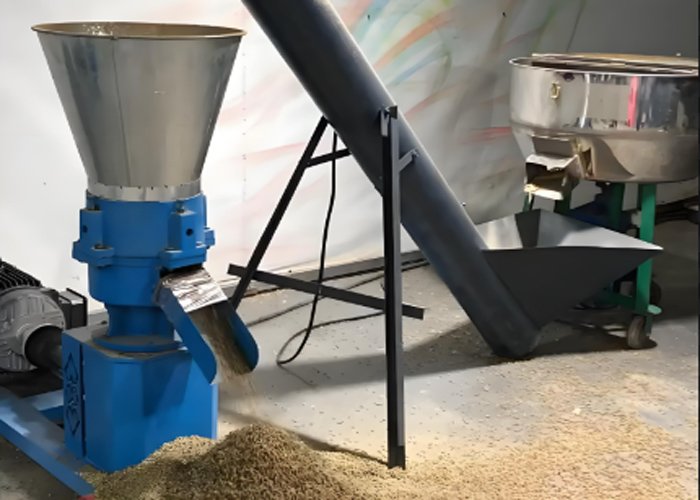
The process starts after weighing. All materials go into a mixer. The mixer blends everything evenly. Even blending is very important. Ducks must get all nutrients in each bite. Then the mix goes to a conditioner. We add steam here. Steam adds moisture. It also adds heat. This heat and moisture do two things. They help cook the materials a little. This makes some nutrients easier to digest. They also help the materials stick together. This sticking is needed for pelleting. After conditioning, the mix goes into the pellet machine. This is a key machine we make. Inside, rollers push the mix through small holes. These holes are in a metal plate called a die. The pressure forms long strands. Knives cut these strands into short pellets. The size of the holes in the die sets the pellet size. Different ducks need different sizes. Small ducks need small pellets. Bigger ducks need bigger pellets.
Key Stages in Duck Feed Pellet Production
The process involves several steps. Each step is important.
Stage
Purpose
Equipment Involved
Material Receiving
Get and check raw materials
Scales, Storage Bins
Crushing
Break down large particles
Hammer Mill or Grinder
Mixing
Combine all ingredients evenly
Mixer (Horizontal or Vertical)
Conditioning
Heat and add moisture with steam
Conditioner
Pelleting
Form mix into pellets under pressure
Pellet Mill (Pellet Machine)
Cooling
Reduce pellet temperature and moisture
Counterflow Cooler
Screening
Remove fines and oversized pellets
Screener
Packaging
Bag or bulk store the finished feed
Packaging Machine
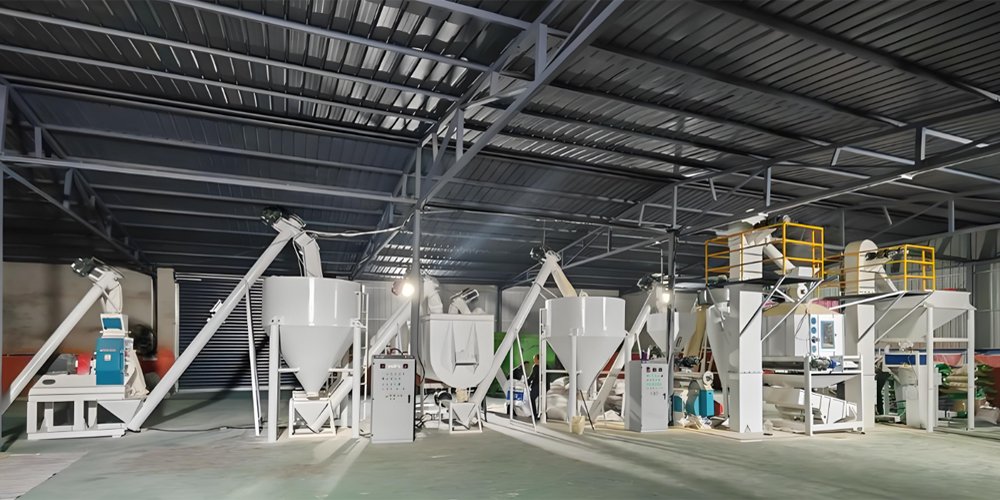
After pelleting, the pellets are hot and moist. They need cooling. We use a cooler. Air flows through the pellets. This removes heat and moisture. Cooling makes pellets hard. Hard pellets do not break easily. This reduces dust. Dust is bad for ducks to breathe. It also means less wasted feed. After cooling, pellets go through a screener. The screener removes small broken pieces (fines). It also removes any pieces that are too big. Fines can be recycled. We can put them back into the process. Then the good pellets are ready. They go into bags. Or they go into bulk storage. This whole process needs good machines. We build the machines that do these steps. The pellet mill is often the heart of the line.
Technical Improvements in Duck Feed Granule Production?
Can we make feed production better? Are old ways always best? We look for new methods.
Yes, we can make it better. Machines are more precise. We use less energy. Quality control is stronger.
Technology changes how we make feed. Old systems were simpler. New systems use computers. Automation helps a lot. Computers control weighing. They control mixing time. They control steam in the conditioner. This makes the process more consistent. Consistent process means consistent feed quality. Precision mixing is better now. We can add very small amounts accurately. This is important for vitamins or medicines. Pellet machine design has improved. Dies and rollers last longer. They are made of stronger materials. The shape of the holes in the die is important. Better die design makes harder pellets. It uses less energy. This saves money for the farm owner. Energy use is a big cost. We design machines to use less power. Efficient motors are one way. Better heat use is another. Using steam efficiently in the conditioner helps. The cooler design also matters. Efficient cooling saves energy.
Technical Advancements in Feed Pellet Production
New technologies help improve the process.
Quality control is stricter now. We can test materials faster. We can test finished pellets. This ensures the feed meets standards. It ensures ducks get the right nutrition. Some modern systems have sensors. These sensors check temperature. They check moisture levels. They send data to computers. The computers adjust settings automatically. This keeps the process stable. We put these features in our machines. We also work on machine parts. For example, the die is critical. We use high-quality steel. We design the hole shape carefully. This affects how easy it is to make pellets. It affects pellet density and hardness. Our R&D team focuses on these details. They test new designs. They find ways to make machines work better. This leads to better feed for the ducks. It leads to lower costs for the farmers. It makes the whole production line more reliable. We offer training on these new systems. Customers learn how to use the improved technology.
Making duck feed pellets needs good steps. Better technology helps a lot. It gives healthier ducks.
Bamboo charcoal is usually made of Moso bamboo as raw material and is formed by high-temperature carbonization. At present, most charcoal factories use bamboo charcoal machines to produce high-quality bamboo charcoal. According to different proces...
The best type of wood crusher actually depends on specific usage requirements, raw material characteristics, and budget factors. The following is an analysis of the types of wood crushers based on different dimensions:
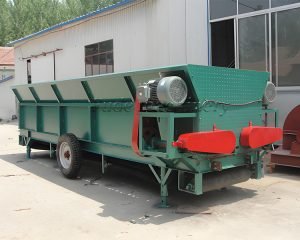
The one that peels wood is the wood peeling machine, also known as the wood peeling machine or tree peeling machine, which belongs to the series of wood processing machinery products. The following is a detailed introduction about the wood peeling...
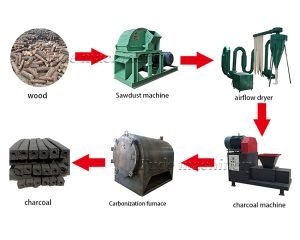
The production line for making charcoal mainly refers to the machine-made charcoal production line, which includes four main equipment: crusher, dryer, rod making machine, and carbonization furnace. Here is a detailed introduction about these four...
 Fude Machinery-wood crusher manufacturer

HelloPlease log in