Ducks need good food to be healthy. Store feed costs money. You might want to make your own feed.
Yes, you can make your own duck feed. You use common ingredients. This includes grains, seeds, and other things. It needs to have balanced nutrition for the ducks.
Making your own duck feed lets you control what your ducks eat. It can also help you use ingredients you already have. You just need to know what ducks need. You also need to know what they should not eat. Let’s look at how this works.
What Ingredients Do Ducks Need?
Ducks need different nutrients. They need energy from carbohydrates. They need protein for growth. They also need vitamins and minerals. Getting this right is important. Just like making sure a machine has the right parts is important.
You need different kinds of ingredients for duck feed. Grains are a main part. They give energy. Protein sources help ducks grow strong. Vitamins and minerals keep them healthy. Mixing these correctly is key.
Making sure your ducks get the right mix of food is very important. If the food is wrong, ducks can get sick. They might not grow well. Farmers who raise animals know this. They choose the right feed for their animals. Sometimes farmers process materials like grain or straw for animal bedding or feed using machines. They need the right machine for the job. You also need the right ingredients for your duck feed. Let us look at the main things ducks need in their food. You must include these things.
Grains and Carbohydrates
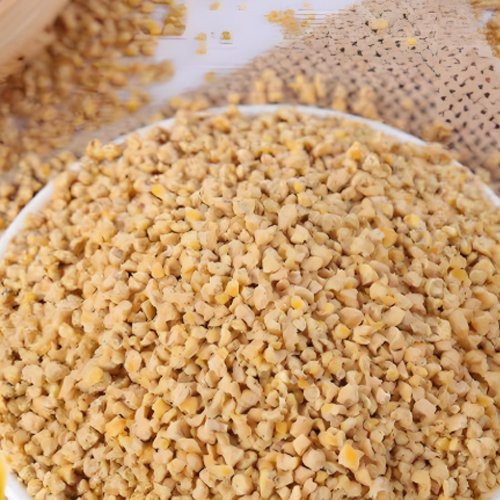
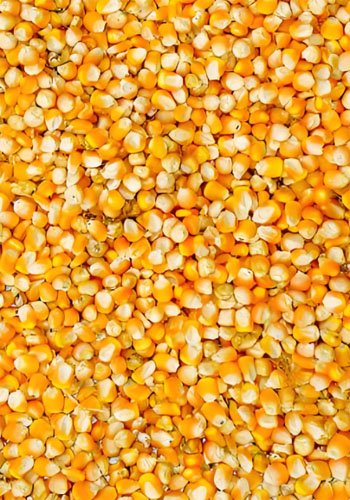
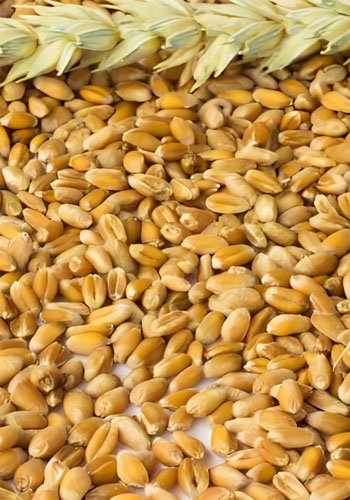
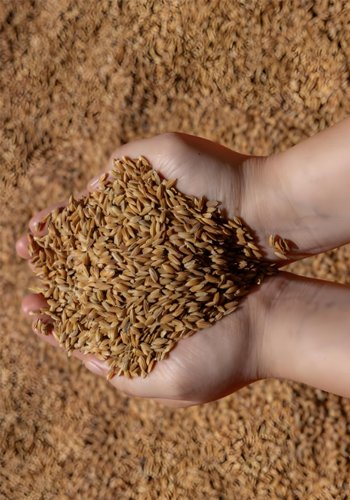
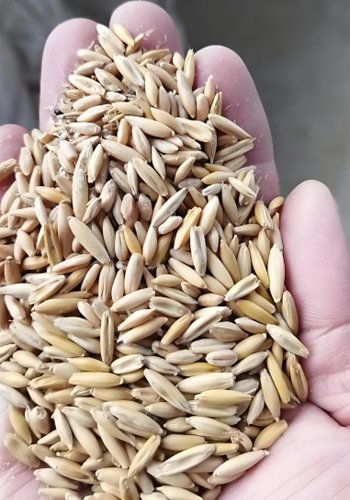
Grains give ducks energy. This is fuel for them. Common grains are corn, wheat, and oats. You can use whole grains or cracked grains. Cracked grains are smaller pieces. Ducks can eat smaller pieces easier. Rice and barley are also options. These provide carbohydrates. Carbohydrates are energy. Ducks need lots of energy. This is especially true for young ducks. Young ducks grow fast. They need lots of food energy.
Protein Sources
Protein helps ducks build muscle. It helps them grow. Good protein sources include soybean meal. It also includes sunflower seeds or meal. Peas are also a protein source. Some people use dried mealworms. These are bugs. Ducks like bugs. They are high in protein. Layer hens need lots of protein to make eggs. Young ducks need more protein than old ducks. The amount of protein changes with the duck’s age. You must know the right amount.
Vitamins and Minerals
Ducks need vitamins. They need minerals too. These keep ducks healthy. They help ducks use the energy and protein. A common supplement is brewer’s yeast. This gives B vitamins. Ducks especially need Niacin (Vitamin B3). Low Niacin causes leg problems. Ducks cannot walk right. You can add a poultry vitamin/mineral mix. Make sure it is for ducks or poultry. Some mixes are just for chickens. Chickens need different amounts. Oyster shell or ground eggshells give calcium. Laying ducks need calcium for strong egg shells. Calcium helps bones too. You must make sure the feed has enough of these small but important things.
What Ingredients Should Ducks Not Eat?
Just like some materials are bad for certain machines, some foods are bad for ducks. You must know what these foods are. Giving wrong food can make ducks very sick. It can even kill them. Avoid giving ducks junk food.
Ducks should not eat certain things. Some foods are toxic. Some foods have no nutrition. Some foods can hurt their digestive system. It is better to give them healthy things. Stick to their main feed ingredients.
Knowing what not to feed ducks is just as important as knowing what to feed them. Giving ducks the wrong food can cause serious health problems. It is not just about poor nutrition. Some foods are actually poisonous to ducks. Other foods might seem okay, but they can cause blockages or digestive upset. For example, bread is not good for ducks. Many people think giving bread to ducks is fine. But bread has little nutrition for ducks. It can fill them up. Then they do not eat their healthy food. It is like using the wrong kind of wood in a wood crusher. The machine will not work right. It might even break. You must use the right materials. You must give ducks the right food. Let us look at things ducks should never eat or should only eat very little of.
Toxic Foods
Foods to Avoid or Limit
Food Item
Reason to Avoid / Limit
Avocado (skin/pit)
Contains persin, toxic to birds
Chocolate
Contains theobromine, toxic
Onion & Garlic
Can cause blood problems
Apple Seeds / Fruit Pits
Contain cyanide
Bread
Poor nutrition, can cause digestive issues if too much
Sugary/Salty Foods
Unhealthy, can cause health problems
Raw Beans
Contain enzyme inhibitors, must be cooked
Raw Potatoes / Green Parts
Contain solanine, toxic
Large amounts of Spinach
Can interfere with calcium absorption
How to make homemade duck feed?
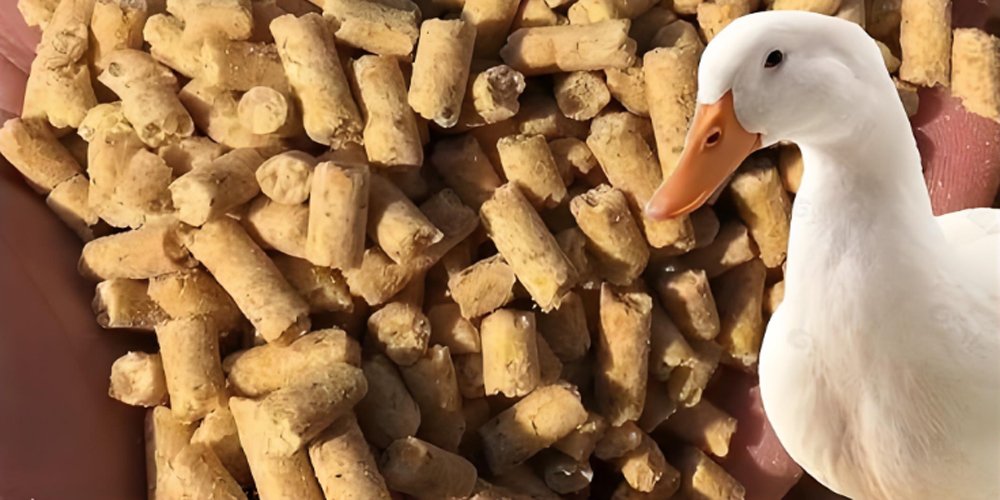
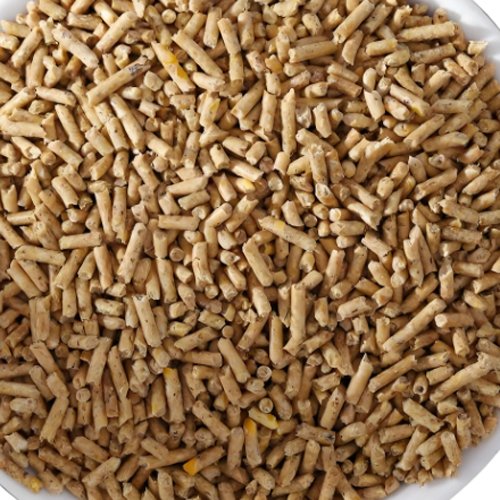
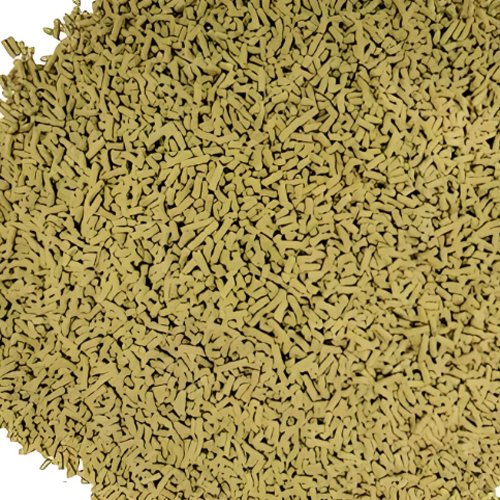
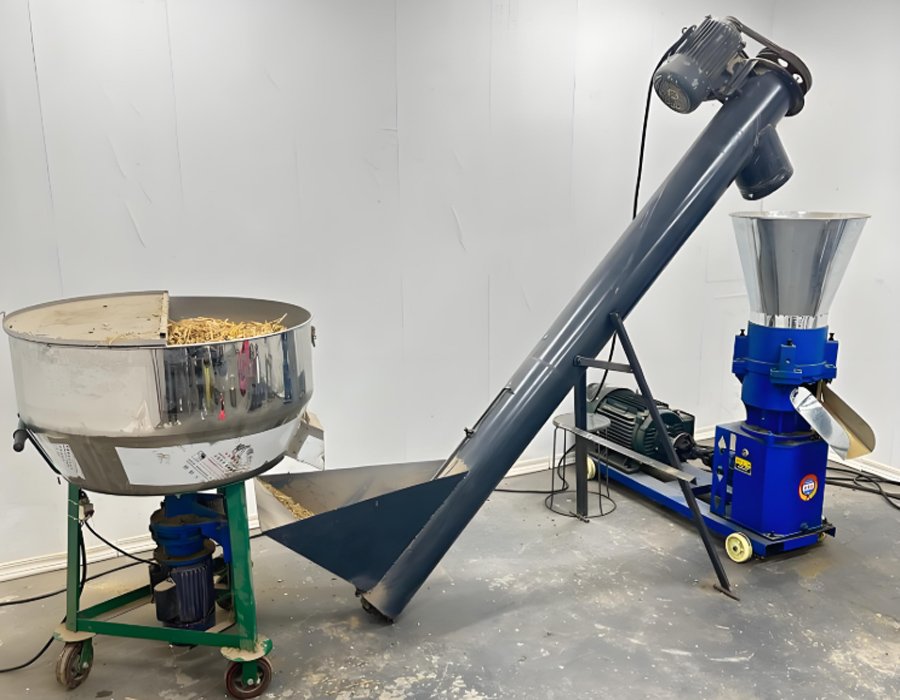
The feed pellet mechanism is an efficient and scientific breeding method for ducks. By using a feed pellet machine to process raw materials into granular feed, it can significantly improve the feeding efficiency and production performance of ducks. The following provides a detailed introduction to the process of using feed pellets as duck feed and its related key points:
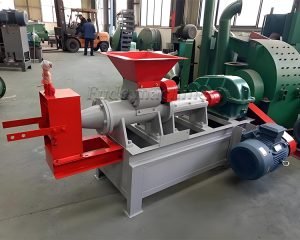
The function and advantages of a feed pellet machine: A feed pellet machine is a device used to crush raw materials and make granular feed. Its main functions include increasing the hardness of the feed, improving its surface smoothness, and promoting internal maturation, thereby enhancing the digestion and absorption ability of nutrients. In addition, the feed pellet machine can also kill pathogenic microorganisms and parasites, reducing the occurrence of diseases.
Raw material selection and formula design: There are various types of raw materials for duck feed, including corn, wheat, soybean meal, rapeseed cake, fish meal, shell powder, etc
The formula ratio can be adjusted according to the needs of ducks at different growth stages. For example, during the chick rearing period (1-25 days): crude protein 20%, crude fiber 3.9%, calcium 1.1%, phosphorus 0.5%. Mid duck stage (18 weeks old): 60.7% corn, 12.8% bran, 3.5% cottonseed cake, 3.0% fish meal, 1.6% bone meal, 1.0% shell meal, and 0.5% salt. Fertilization period: 50% corn, 20% vegetable cake, 10% broken rice, 10% bran, 7.5% fish meal, 1% meat powder, 1% shell powder, 0.5% salt.
Characteristics and advantages of feed pellets: good palatability: easy to consume pellet shape, reducing picky eating; High utilization rate: pellet feed can save feeding time and energy, while reducing dust loss; High nutritional value: By using scientific formulas and high-temperature treatment, the nutrient absorption rate of the feed has been improved; Easy to store and transport: Granular feed is not easily affected by moisture and is convenient for long-term storage.
Equipment selection and operation: Common types of feed pellet machines include ring molds and flat molds, which are suitable for farms of different scales. For example: Ring mold pellet machine: suitable for large-scale production, high output, and uniform particle size; Flat mold pellet machine: suitable for small and medium-sized farms, easy to operate.
The use of feed pellet mechanism as duck feed is an efficient and scientific breeding method. Through reasonable selection of raw materials, formulation design, and equipment operation, it can significantly improve the growth rate of ducks, reduce breeding costs, and enhance economic benefits. This technology is not only suitable for large-scale breeding farms, but also for small and medium-sized farms and household farming.
Is Homemade Duck Feed Cheaper?
The cost of homemade duck feed can be different. It depends on many things. Sometimes it is cheaper than store-bought feed.
Making your own duck feed can be cheaper. But you need to buy ingredients in bulk. You also need to value your time.
Deciding if making your own duck feed saves money is not always simple. The cost depends on several factors. You cannot just compare the price per pound of ingredients to the price per pound of finished feed in a bag. There are other costs you need to think about. For farmers buying machines, they look at the cost of the machine, the cost of running it, and the value it creates. Making feed is similar. You need to think about the material cost and the process cost. Let us look at what makes the cost change.
Ingredient Costs
The biggest cost is usually the ingredients. The price of grains, seeds, and supplements changes. It changes based on the season. It changes based on where you live. Buying ingredients in large amounts is usually cheaper per pound. If you can buy a 50-pound bag of corn, it is cheaper than buying five 10-pound bags. Joining a buying group with other duck owners can help you buy bigger amounts. If you grow some of your own ingredients, like corn or peas, this can lower the cost. But growing takes time and money too.
Time and Effort
Your time has value. Making feed takes time. You must find recipes. You must buy ingredients. You must measure and mix. This takes effort. If you are very busy, this time might be worth more than the money you save. If you have free time and enjoy making things, this might not feel like a cost. But it is a cost to consider.
Equipment and Storage
You might need some basic equipment. You need scales to weigh. You need containers to mix in. You need bins to store the feed. These cost money to buy at first. They last a long time, but it is still a cost. You also need space to store the ingredients and the finished feed. This space might be used for something else. So, the storage space has a cost too.
You can make homemade duck feed. Use the right ingredients and recipe. Measure and mix carefully. Store it safely. This helps keep your ducks healthy.
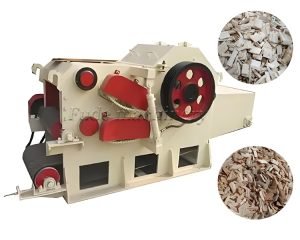
Drum chipper is a wood processing equipment that uses high-speed rotating drum and blade to cut logs into uniform wood chips. It is widely used in the production fields of papermaking, particle board, etc., and has the advantages of high cutting ...
You want to use biomass for energy? Choosing the right method matters. I know about turning wood and waste into power. Main biomass energy methods are burning, gasification, pyrolysis, and making pellets or charcoal. These change raw materials ...
 Fude Machinery-wood crusher manufacturer
HelloPlease log in