Buying fish feed costs a lot. Are you spending too much money? Make your own feed at home.
Making homemade fish feed involves selecting ingredients, grinding them into a meal, adding binders and supplements, mixing thoroughly, and then forming the mixture into pellets or flakes for easy consumption by fish.
Let’s look at why making feed yourself is a good idea.
Why make your own fish feed?
Commercial fish feed prices keep going up. Is your budget feeling the strain? Making your feed can save you money.
Making your own fish feed lets you control costs, customize nutrition for specific fish types, use available local resources, and ensure ingredient quality without additives you do not want.
You gain many benefits when you make fish feed yourself. It is about more than just saving money. You get full control over what your fish eat. This means you can match the diet exactly to the type of fish you raise. Different fish need different protein levels. They need different fat levels too. Young fish need different things than adult fish. You can mix the feed to give them exactly what they need for fast growth and good health. Using local materials is another big plus. You can use things available near you. This lowers your cost for ingredients. It also supports local suppliers. Sometimes you can use materials that might otherwise go to waste. Think about farm byproducts. These can be good ingredients. Making feed at home also means you know what goes into it. You choose fresh ingredients. You do not add fillers or strange chemicals. This makes the feed healthier for your fish. It also means better quality for your fish products if you sell them. You can make small batches. This keeps the feed fresh. Fresh feed is better for fish health. Stale feed loses nutrients. It can also grow mold. Making feed yourself avoids these problems. It gives you power over your fish’s diet and your costs.
What ingredients can I use?
Do you worry about what is hidden in store-bought feed? Are you unsure about the things inside the bag? You should choose your own ingredients.
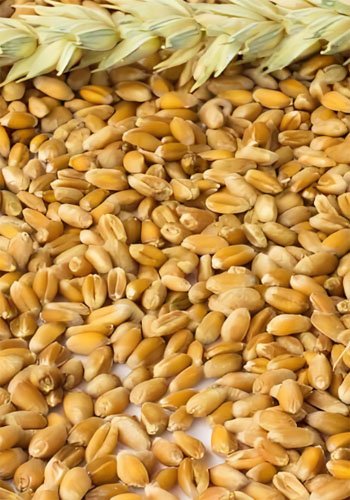
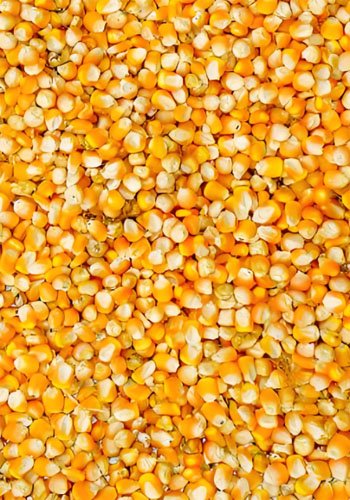
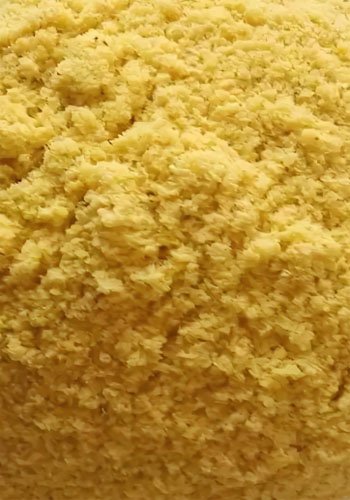
You can use protein sources like fish meal, soybean meal, and insect meal, carbohydrates like corn and wheat, vitamins, minerals, and binders like gelatin or starch for homemade fish feed.
Choosing the right ingredients is key to making good fish feed. Fish need a balanced diet. They need protein for growth. They need fats for energy. They need carbohydrates for energy too, but less than protein and fat usually. They also need vitamins and minerals to stay healthy. You can find many things to use. Protein sources are very important. Fish meal is common. It has high protein. It also has good amino acids. Soybean meal is another good protein source. It is cheaper than fish meal. But it needs processing to remove bad parts. Other plant meals like corn gluten meal or cottonseed meal can work. Some people use insect meal. Black soldier fly larvae meal is popular. It is very high in protein. It is also sustainable. Animal byproducts like poultry meal or meat and bone meal can provide protein and fats. Energy sources come from grains. Corn, wheat, and rice are common. They give carbohydrates. They also help bind the feed together. Fats give energy. Fish oil is very good. It has omega-3 fatty acids. Vegetable oils like soybean oil or corn oil also work. You need vitamins. You need minerals. You can buy premixes for fish. These have all the right vitamins and minerals. They are easy to add. Binders hold the feed together. You need the feed to stay as a pellet or flake in water. Starch, gelatin, or guar gum work well. They make the feed stable. They stop it from falling apart. You mix all these things together. The amounts depend on the type of fish. They depend on the fish’s age. Research your specific fish needs.
How do I form the feed?
Mixing dry powder is not ideal for fish. Is your feed sinking too fast and making waste? You should form the feed into pellets or other shapes.
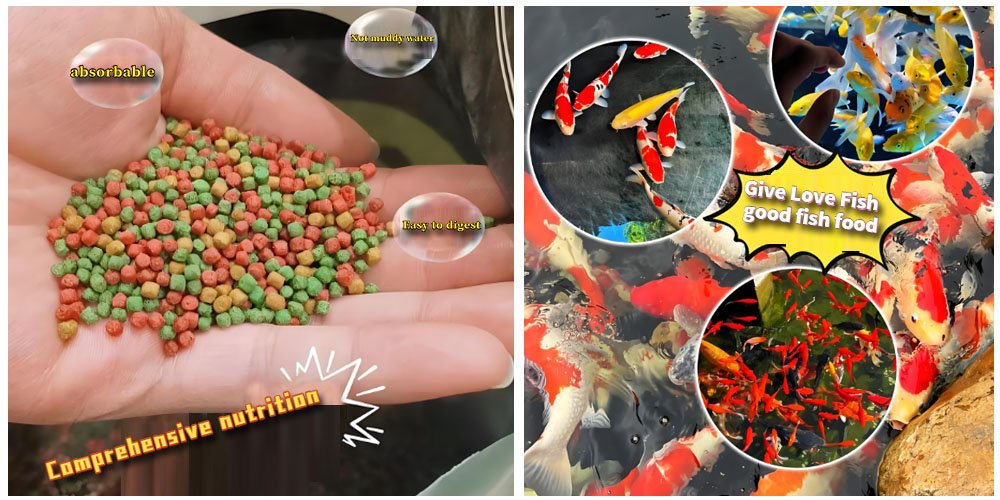
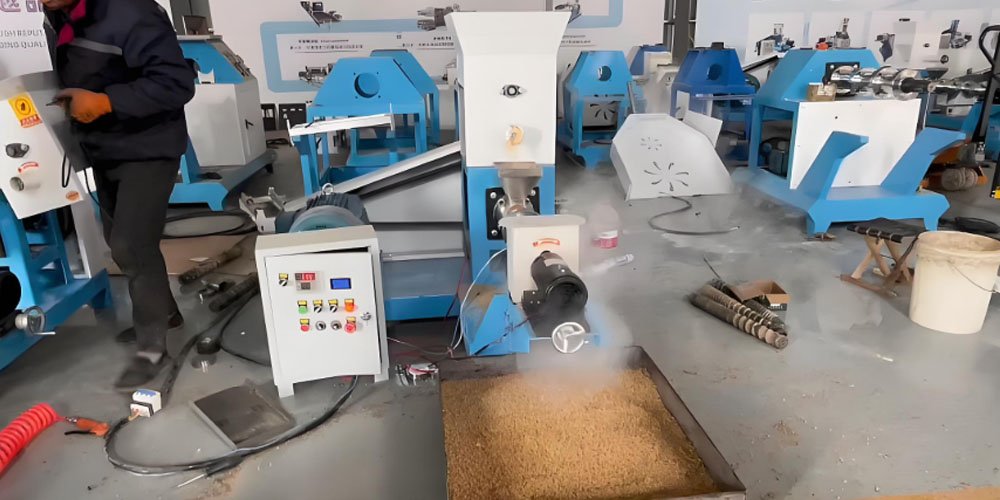
You form fish feed by mixing dry and wet ingredients into a dough, then extruding or pressing it through a die to create pellets. Drying follows this to achieve desired moisture content and hardness.
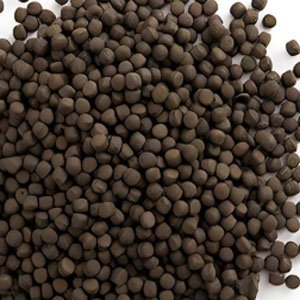
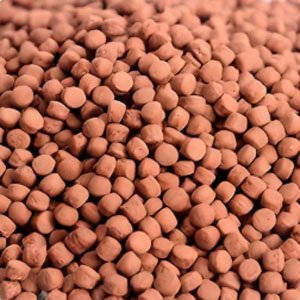
Forming the feed is a crucial step. It changes the mixed ingredients into a usable form for fish. Most fish eat pellets. Pellets are compact. They sink or float depending on how they are made. This suits different fish that feed at different water levels. Making feed involves several steps after mixing. First, you grind all your raw materials. You need them to be a fine powder. This helps them mix well. It helps them bind together better. Grinding requires a machine. You need a crusher or a pulverizer. These machines break down the raw materials into small particles. After grinding and mixing, you might need to add moisture and heat. This is called conditioning. Steam is often used. Conditioning makes the mixture soft and pliable. It also starts activating the binders. Then comes the forming part. For pellets, you use a pellet mill. There are different types of pellet mills. Flat die pellet mills use a flat die and rollers. The rollers push the material through holes in the die. Ring die pellet mills use a rotating ring die and rollers. Material is pushed through holes in the ring. Both types make dense pellets. The size of the holes in the die sets the pellet diameter. You can make different sizes for different fish. Some fish feed is made by extrusion. Extruders use high heat and pressure. This cooks the feed mixture. When it leaves the extruder, it expands. This makes floating pellets. After forming the pellets, you must dry them. High moisture makes mold grow. It makes feed spoil fast. You use a dryer. A horizontal dryer or a counterflow dryer works well. Drying removes extra water. It makes the pellets hard. Hard pellets do not break apart easily in water. After drying, you cool the pellets. Cooling makes them stable. Then you might screen them. Screening removes fines (small broken pieces) and oversized pellets. You want uniform size. Sometimes, oil or vitamins are sprayed on the pellets after drying and cooling. This adds nutrients that do not handle heat well. This whole process needs the right equipment to work well and make good quality pellets. Making good pellets reduces waste and ensures fish get the nutrients they need.
Making homemade fish feed gives you control over quality and cost, providing better nutrition using the right methods and equipment for pellet formation.
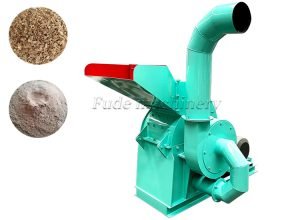
The best choice of wood crusher depends on your specific needs and actual situation. We recommend a multifunctional sawdust machine for you. The production equipment includes: sawdust machine, Branch crusher, forced feed crusher,&nb...
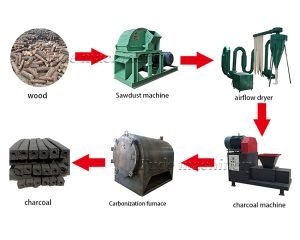
The production line for making charcoal mainly refers to the machine-made charcoal production line, which includes four main equipment: crusher, dryer, rod making machine, and carbonization furnace. Here is a detailed introduction about these four...
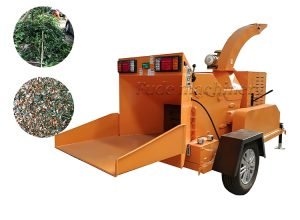
The use of branch crusher is very extensive, mainly reflected in the following aspects: Tire crusher Crawler crusher Small tracked tree branch crusher Small tire type tree branch crusher The use of branch crushers not only achieves the recycling o...
Yard waste piling up? Confused whether you need a shredder or a chipper? Choosing the wrong machine means wasted money, frustration, and a job poorly done. Let's clear this up. The right machine depends entirely on your waste: Garden Shredders han...
 Fude Machinery-wood crusher manufacturer

HelloPlease log in