Is your fish feed crumbling, wasting money and slowing growth? Pelletizing solves this.
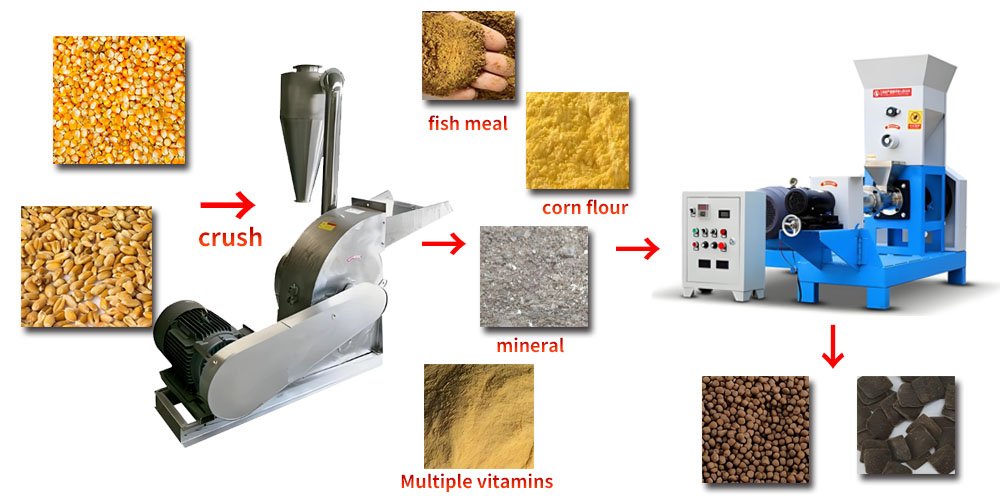
Pelletizing fish feed involves grinding ingredients, mixing, conditioning with steam, pressing through a die, cooling, drying, screening, and packaging into stable pellets.
Understanding the process helps you make better feed for healthier fish. Let’s look at why it matters and the steps involved.
Why Pelletize Fish Feed?
Bad feed means hungry fish and lost profits.
Pelletizing fish feed improves water stability, nutrient delivery, digestibility, reduces waste, and makes feeding more efficient.
Making fish feed into pellets offers many benefits for fish farmers. These benefits lead to healthier fish and better farm results.
Improved Water Stability
Pelleted feed stays together longer in water. Mash feed breaks down fast. This pollutes the water. Stable pellets let fish eat all the nutrients. Less feed is wasted. Water quality stays better. This is very important for fish health.
Better Digestibility and Nutrient Use
The heat and steam in pelleting help break down starches. This makes nutrients easier for fish to digest. Fish absorb more food. They grow faster. They use the feed more efficiently. This means you get more fish growth from the same amount of feed.
Reduced Fines and Segregation
Mash feed has dust and small particles. This is called fines. Fines are hard for fish to eat. They sink fast. Pelleting binds ingredients. This reduces fines. Each pellet has the right mix of ingredients. Nutrients do not separate. Every fish gets balanced nutrition.
Efficient Handling and Storage
Pellets are dense and uniform. They are easy to store. They take up less space. They flow well in automatic feeders. This makes feeding easier. Less labor is needed. Handling bulk pellets is much cleaner than handling mash.
Cost Savings
Less wasted feed means lower costs. Better growth means fish are ready for market faster. Efficient handling saves labor. These things make fish farming more profitable. The investment in pelleting equipment pays off over time.
What Equipment Do You Need?
Making good pellets needs the right machines.
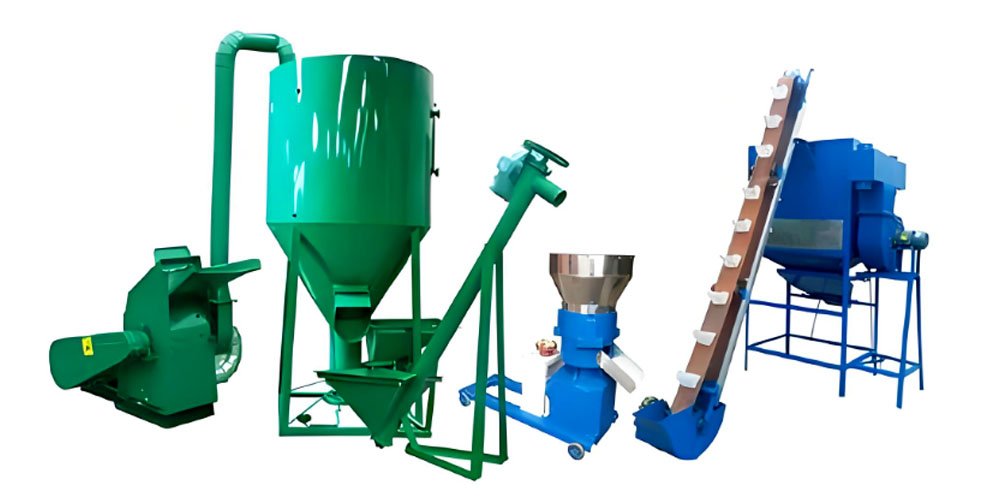
You need a grinder, mixer, pellet mill, cooler, dryer, screener, and packaging machine for fish feed pelletizing.
Making high-quality fish feed pellets requires several key machines working together. Each piece of equipment performs a specific task that is essential for the final product quality and process efficiency.
Grinding Machine
You start with raw ingredients. These might be large pieces. You need to grind them into small particles. A hammer mill or pulverizer works well. Small particles mix better. They pellet better. Uniform size is important for pellet quality. The particle size distribution affects the pellet’s structure and durability.
Mixing Machine
All the ground ingredients go into a mixer. Vitamins, minerals, and other additives are added here. The mixer blends everything evenly. Every pellet must have the same nutrition. A ribbon mixer or paddle mixer is often used. Good mixing is key. This ensures the fish receive a balanced diet in every bite.
Pellet Mill
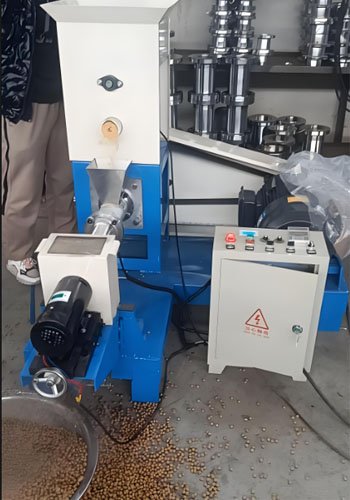
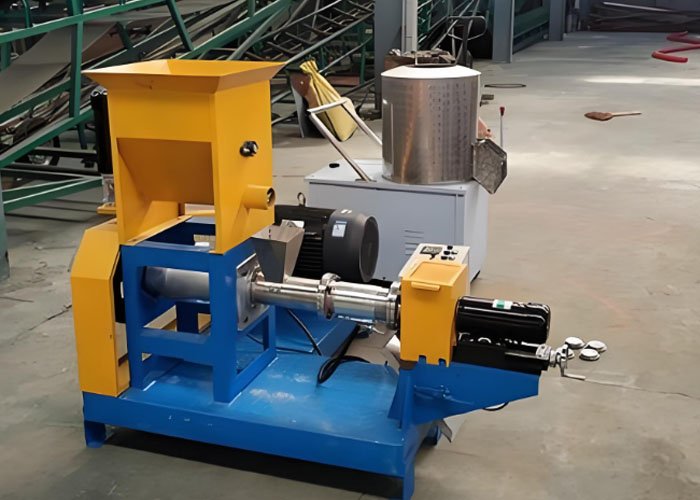
This is the core machine in the fish feed pelletizing process. It takes the mixed feed. It uses rollers to force the feed through holes in a die. This forms the pellets. Ring die mills are common for commercial fish feed. They can make different pellet sizes. The die size sets the pellet diameter. The compression applied in the mill is critical for density and hardness.
Cooler
Pellets come out of the mill hot. They also have high moisture. A counterflow cooler is typical. It uses air to cool the pellets. Cooling makes pellets hard. It makes them less likely to break. It also removes some moisture, which helps stabilize the pellets and prevents spoilage.
Dryer
Some fish feed needs low moisture for storage. Especially floating fish feed. After cooling, pellets might need drying. A dryer removes more moisture. This prevents mold growth. It increases shelf life. A belt dryer is one type used. The drying temperature and time must be controlled carefully.
Screener
After cooling or drying, some pellets might break. Small particles (fines) are also present. A screener removes these fines. It uses vibrating screens. Only whole, well-formed pellets pass through. Fines can be re-pelleted. This ensures a clean final product.
Packaging Machine
The final step is packaging. Pellets are weighed and put into bags. This prepares them for storage or transport. Packaging protects the feed from moisture and pests. It keeps the feed fresh until it is used.
What are the Key Steps in the Process?
Making perfect pellets follows a set path.
The steps include grinding, mixing, conditioning, pelleting, cooling, drying, screening, and finally packaging the fish feed.
The production of high-quality fish feed pellets is a sequence of carefully controlled steps. Each step builds upon the previous one. Following these steps correctly is vital for making feed that performs well in the water and supports fish growth.
Step
Action
Raw Material Prep
Grinding ingredients to proper size.
Mixing
Blending all components uniformly.
Conditioning
Adding heat/steam to improve pelleting.
Pelleting
Forcing feed through a die to form pellets.
Cooling
Removing heat and some moisture.
Drying (Optional)
Reducing moisture content further.
Screening
Removing fines and broken pieces.
Packaging
Bagging the finished pellets.
How Do You Ensure Pellet Quality?
Making quality fish feed pellets is not automatic.
Ensure pellet quality by controlling ingredient fineness, moisture, conditioning, pellet mill settings, cooling efficiency, and regular testing of finished pellets.
%Lab Testing of Fish Feed Pellets
Producing fish feed pellets that are durable, nutritious, and consistent requires careful control at every stage. Several factors impact the final quality of the pellet. Paying attention to these details ensures you produce feed that benefits your fish.
Ingredient Quality and Preparation
High quality raw materials are vital. Ingredients must be ground to the right size. Too coarse, and pellets are weak. Too fine, and the mill might choke. Consistent particle size helps make uniform, strong pellets. The nutritional quality of raw materials directly affects the final feed’s value.
Moisture Content
The moisture level of the mixed feed before conditioning is important. Too low, and the mix is hard to pellet. Too high, and pellets are soft and break. The right moisture range is needed for good binding. This range is usually between 12-18% before steam conditioning.
Conditioning Parameters
Steam temperature and residence time in the conditioner matter a lot. Enough heat and moisture are needed to gelatinize starches. This acts as a binder. Too little conditioning means poor pellet durability. Too much can damage nutrients. Typical conditioning uses temperatures around 80-90°C for 30-60 seconds.
Pellet Mill Die Selection
The die design affects pellet quality. Compression ratio (thickness vs. hole diameter) is key. A higher ratio gives more pressure and friction. This increases heat and durability. Die wear affects quality too. Regular maintenance is needed. The die needs to match the specific feed formula.
Cooling and Drying
Fast, efficient cooling is important. It sets the pellet hardness. Incomplete cooling leads to broken pellets. If drying is needed, it must reduce moisture evenly without overheating the feed. The final moisture content should typically be below 10-12% for storage.
Quality Control Testing
Finished pellets should be tested regularly. Common tests include pellet durability index (PDI). This measures how well pellets survive handling. You also check size, moisture, and fines percentage. Regular testing ensures consistent quality. Laboratory testing confirms nutritional content.
Pelletizing fish feed makes it better, using the right machines and process steps.
Piles of waste wood piling up? Branches, offcuts, old pallets – they take up space, cost a fortune to haul away, and are a fire hazard. This waste is a major headache for many businesses. A wood crusher is the core engine turning this problem w...
Choosing the right briquetting machine involves understanding different forming principles (screw vs. stamping vs. hydraulic), matching them to raw materials, intended use (fuel vs. charcoal), and considering wear parts costs. Many facto...
Piles of scrap wood cluttering your site? Facing high disposal costs and logistical nightmares? Let this old hand show you how the right wood crusher transforms that burden into a streamlined, valuable resource. A wood crusher boosts efficiency...
 Fude Machinery-wood crusher manufacturer
HelloPlease log in