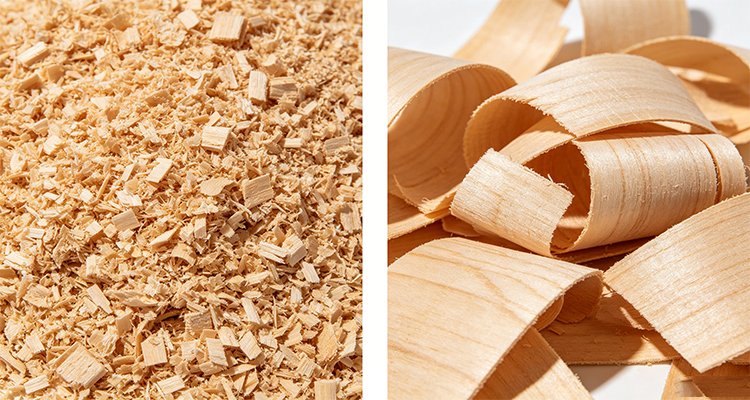
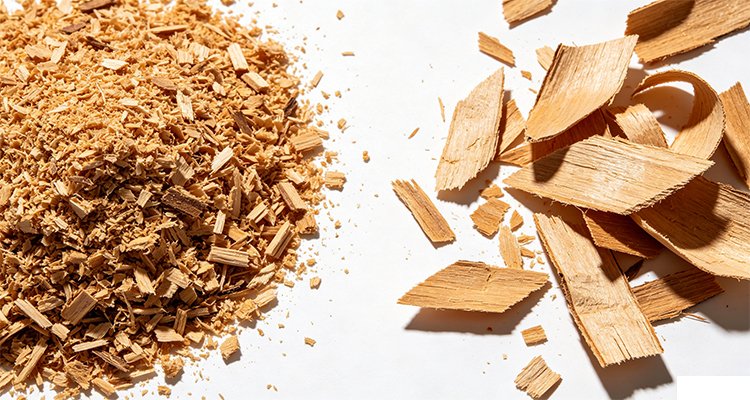
So, what are wood chips? Simply put, wood chips are small, consistently sized pieces of wood. They are made by feeding raw wood, like logs and branches, into a powerful machine called a wood chipper. We at FUDE Machinery manufacture these machines. It is important to understand that wood chips are not the same as sawdust or wood shavings. They have a specific square or rectangular shape. Their defined size makes them an incredibly useful raw material for many different businesses and industries around the world.
Wood chips are made using an industrial wood chipper. This is the core piece of equipment for any wood chip production business. The process is straightforward but powerful. You feed raw wood materials, such as logs, tree branches, bamboo, or even wood waste from sawmills, into the machine’s infeed hopper. Inside the chipper, a heavy, rapidly spinning rotor equipped with extremely sharp steel blades cuts the wood. The blades slice the wood at an angle, producing uniform chips. These chips are then discharged through a chute and can be directed into a truck, a pile, or a conveyor belt.
The entire operation is designed for high efficiency and volume. At FUDE Machinery, we build our wood chipper machines to handle continuous, heavy-duty work. The key to making high-quality wood chips is the quality of the machine. The sharpness of the blades, the power of the engine, and the stability of the machine structure all determine the consistency of the final product. A reliable chipper turns low-value wood into a valuable, marketable commodity.
What Are the Main Types of Wood Chips?
No, not all wood chips are the same. The type of wood used and the way it is processed create different kinds of chips for different markets. Understanding these differences is critical for your business. It helps you target the right customers and get the best price for your product. The main categories are based on the source of the wood (virgin vs. recycled) and the type of tree (hardwood vs. softwood). Each type has unique properties and is preferred for specific applications.
As a producer, this means you can specialize. You can choose to make high-purity chips for a premium market or focus on high-volume processing of waste wood for the industrial fuel market. Our machines can be configured to produce different types and sizes of wood chips, giving your business the flexibility to adapt to market demand.
%alt with keywords: Two distinct piles of wood chips side-by-side, one from light-colored pine and one from dark-colored oak
Forestry Chips vs. Recycled Wood Chips
Forestry chips, also called virgin chips, are made from clean wood directly from forests or tree care operations. This includes logs, large branches, and treetops. Because the source material is clean, these wood chips are very pure. They have no contaminants like paint, plastic, or metal. This purity makes them the top choice for high-value applications like making pulp for paper, manufacturing high-grade wood pellets, or for specialized boilers that require clean fuel.
Recycled wood chips come from waste wood. This includes things like used pallets, construction and demolition debris, and old furniture. This raw material is very cheap, sometimes even free. However, it can contain nails, screws, paint, and other contaminants. A powerful machine like our drum wood chipper is needed to process this tough material. The resulting chips are mainly used for fuel in large industrial boilers that can handle impurities, or as a raw material for particleboard.
Hardwood vs. Softwood Chips
Wood chips are also classified as hardwood or softwood. Hardwood chips come from deciduous trees like oak, maple, and birch. These chips are denser and have higher energy content. They burn longer and more slowly. This makes them a premium fuel for biomass energy. They are also the preferred choice for smoking meats, as they produce a flavorful smoke.
Softwood chips come from coniferous trees like pine, spruce, and fir. These chips are less dense and have a higher resin content. They process very quickly, allowing for high production volumes. Softwood chips are the primary raw material for the pulp and paper industry. They are also widely used for animal bedding and as a general-purpose landscaping mulch.
Chip Type
Common Source
Primary Business Use
What It Means For You (The Producer)
Forestry (Virgin)
Logs, Tree Branches
Biomass Fuel, Pulp for Paper
You produce a high-value, clean product. This requires access to forestry land or sawmills.
Recycled Wood
Pallets, Construction Debris
Industrial Boiler Fuel, Particleboard
Your raw material cost is very low. You need a robust, heavy-duty chipper to handle nails.
Hardwood Chips
Oak, Maple, Birch
BBQ Smoking, Premium Landscaping
You can target high-margin niche markets. The wood is harder and may process slower.
Softwood Chips
Pine, Spruce, Fir
Pulp Production, Animal Bedding
You can achieve high production volumes for large industrial customers.
What Are the Most Profitable Uses for Wood Chips?
Wood chips have many commercial uses, creating multiple potential markets for your business. The versatility of wood chips is their greatest strength. A single production operation can supply several different industries. The largest and most stable markets are biomass energy, landscaping, and manufacturing. By understanding the needs of these customers, you can build a very profitable business. We design our equipment to meet the specific size and quality requirements of these key industries.
Focusing on a specific end-use allows you to optimize your production. For example, biomass plants need a consistent supply and a specific moisture content. Landscaping companies value a chip that looks good and lasts a long time. The paper industry requires the highest level of uniformity.
Biomass Fuel Source
This is one of the largest markets for wood chips. Power plants and large industrial facilities burn wood chips in boilers to generate heat or electricity. This is considered a form of renewable energy because it is carbon-neutral. As more companies move away from fossil fuels like coal, the demand for biomass fuel is growing rapidly. This is a stable, high-volume market for your business. The chips need to be a relatively consistent size to work well in the automated feeding systems of these boilers.
Landscaping and Gardening
In this market, wood chips are primarily sold as mulch. Spreading a layer of chips on garden beds or around trees helps to suppress weed growth, retain soil moisture, and regulate soil temperature. They also break down slowly over time, adding organic matter to the soil. Colored wood chips (dyed red, brown, or black) are also very popular for decorative landscaping. This is a high-margin market, especially for sales in bags to residential customers or in bulk to professional landscaping companies.
Pulp and Paper Production
The pulp and paper industry is a massive consumer of high-quality wood chips. The chips are cooked with chemicals to break them down into cellulose fibers. This fiber pulp is then pressed and dried to make paper. This industry has very strict requirements for chip quality. The chips must be very uniform in size and free from bark and contaminants. Producing for this market requires a precision machine, like our disc wood chipper, and a supply of clean, debarked logs.
What Machine Do I Need to Make Wood Chips?
To produce commercial quantities of wood chips, you need an industrial wood chipper. There are two main types that we manufacture at FUDE Machinery: the drum chipper and the disc chipper. The choice between them depends entirely on your raw material and your target market. Both are powerful machines designed for high-volume production, but they work in slightly different ways and produce slightly different types of chips. Understanding this difference is the key to selecting the right machine for your business.
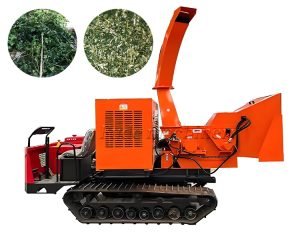
We have over a decade of experience helping customers choose the perfect machine. Our engineers will analyze your needs and recommend the model that gives you the best performance and the highest return on investment. We also offer mobile versions of our chippers, which can be mounted on wheels. This is one of our specialty products, allowing you to move the machine between different job sites and reduce your wood transportation costs.
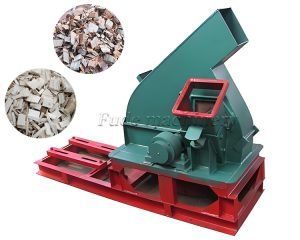
A drum wood chipper uses a large, heavy, rotating drum as its cutting mechanism. The blades are mounted on the surface of this drum. As the drum spins at high speed, it pulls the wood in and slices it into chips. Drum chippers are extremely robust and powerful. They excel at processing a wide variety of materials, including large diameter logs, irregularly shaped wood, and even dirty, recycled wood with some contaminants. They are the workhorses of the biomass industry, prized for their high output and durability.
A disc wood chipper uses a large, spinning steel disc with blades mounted on its face. The wood is fed into the machine at an angle to the disc. As the disc spins, the blades slice the wood, producing very uniform, high-quality chips. Disc chippers are ideal for producing chips for the pulp and paper industry, where chip consistency is the most important factor. They work best with straight, clean logs of a smaller diameter. While they may have a slightly lower volume capacity than a drum chipper of the same size, the quality of the chips is superior.
Conclusion
Wood chips are a simple but incredibly valuable product made from wood. They are produced using powerful machines called wood chippers. Their value comes from their wide range of profitable uses, from generating renewable energy to creating beautiful landscapes. The key to a successful wood chip business is having a reliable and efficient machine that is matched to your specific raw material and your target market.
As a factory-direct manufacturer, we at FUDE Machinery provide the complete solution. We build both heavy-duty drum chippers and precision disc chippers. We can help you select the right model, customize it for your needs, and provide it at a competitive price by eliminating the middleman. If you are ready to turn wood and wood waste into a profitable product, we have the expertise and the equipment to help you succeed.
About FUDE Machinery
We are FUDE Machinery, a professional B2B manufacturer of wood processing equipment based in Zhengzhou, China. Since our founding in 2015, we have specialized in providing a comprehensive range of machines, from crushers and chippers to complete production lines for pellets and charcoal. With our 8,000-square-meter factory and expert R&D team, we deliver high-quality, customized, and factory-direct solutions to customers in over 120 countries worldwide.
Contact us today to discuss your wood chipping project. Our engineers are ready to design the perfect solution for you.
Wood slicer is a mechanical equipment used for producing wood chips and belongs to the wood processing series of equipment. In the wood industry, this wood chipper accounts for an important proportion. So, how to choose a suitable wood slicer? Her...
The reason why a tracked tree branch crusher is needed is mainly based on the following reasons: Crawler type tree branch crusher Small tracked tree branch crusher On site processing: The tracked pruning machine can handle garden waste on site, re...
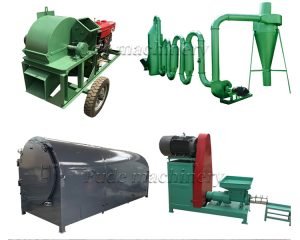
The charcoal production line is a set of assembly line equipment system used for producing charcoal. It is mainly composed of multiple equipment combinations, including crushers, dryers, rod making machines, and carbonization furnaces. These devic...
With the application of charcoal more and more widely, many domestic and foreign customers choose to carry out the briquette charcoal business. Then why should we carry out the production of charcoal briquettes instead of the direct prod...
 Fude Machinery-wood crusher manufacturer



HelloPlease log in