Making biomass pellets from wood is a crucial step in creating renewable energy. The process turns various wood waste into a dense, uniform fuel. At FUDE Machinery, we engineer the wood processing equipment needed for each stage. We help you convert raw materials into high-quality biomass pellets. Understanding this process helps you optimize your operations for maximum efficiency and profit. This guide covers every step we take to make this valuable fuel.
Last Updated: May 2025 | Estimated Reading Time: 18 minutes
This article will help you understand:
How do we prepare raw materials for pellet production?
Why is size reduction crucial for making quality pellets?
What role does moisture control play in the pelletizing process?
What are the benefits of using biomass pellets for energy?
What are the latest 2025 trends in biomass pellet production?
Raw Material Preparation: How Do We Begin the Pellet Journey?
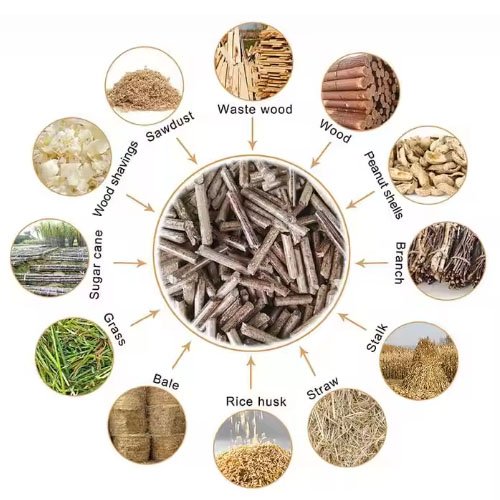
The first stage in making biomass pellets is careful raw material preparation. This step ensures that only suitable materials enter the production line. It sets the foundation for consistent pellet quality. We collect different forms of wood waste. This includes sawdust, wood chips, branches, and even agricultural residues like straw. This variety allows us to maximize resource use. It also reduces waste going to landfills. This initial sorting and basic cleaning are essential for the entire process.
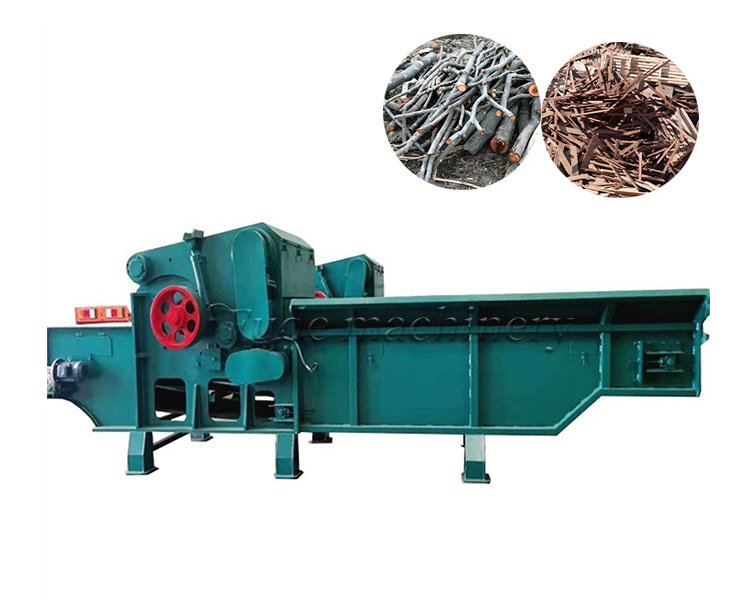
We source our raw materials from many places. This includes sawmills, forestry operations, and agricultural farms. For example, branches and logs from land clearing are very common. Agricultural waste like corn stalks also works well. These materials often come in various sizes and shapes. We use initial shredding or chipping if the raw materials are too large. Our wood chippers like the drum chipper or disc chipperare perfect for this. They turn large pieces into smaller, more manageable chips. This preparation helps the next steps run smoothly. It prevents damage to finer grinding equipment too. This step ensures a clean and uniform feed for the next stage of wood pellet production line.
How Does Initial Size Reduction Impact Your Pellet Quality?
Initial size reduction is a vital part of raw material preparation. It turns large, diverse wood waste into uniformly sized pieces. This consistency is important for the next grinding stages. If materials are too big or too varied in size, they can clog or damage the crushing equipment. This leads to costly downtime. Correct initial sizing ensures a steady flow of material through the entire wood pellet production line. It also helps achieve the target moisture content later.
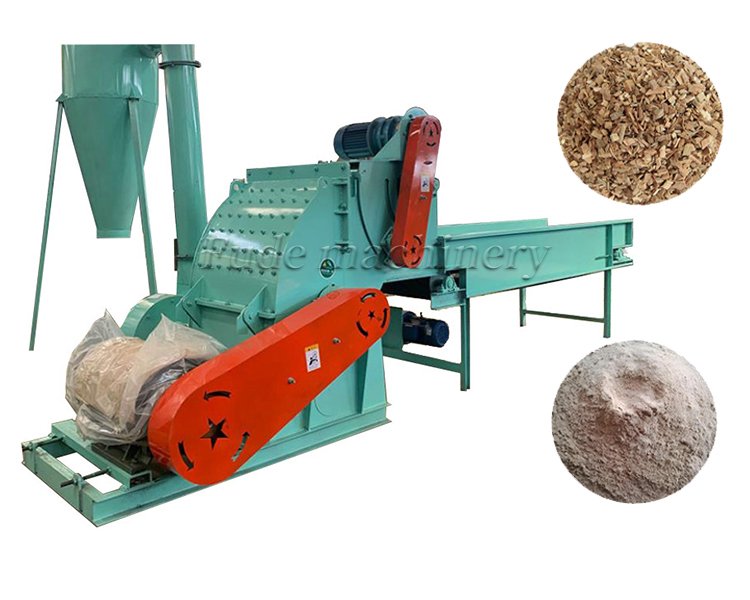
For this step, we often use different types of crushers. A wood crusher or integrated crusher can handle larger logs and mixed waste. They break down materials effectively. For biomass materials that are already somewhat uniform, like sawdust or smaller wood chips, direct feeding to the drying or finer grinding stage is possible. Our mobile wood crusher can even do this work directly at the collection site. This saves transportation costs. It also makes material handling more efficient. This pre-processing step protects downstream machinery. It also ensures the material is optimal for the next grinding phase. This makes sure your final biomass pellets are of high quality.
Raw Material Type
FUDE Equipment Used
Initial Processing Output
Large Logs, Branches
Drum Chipper, Disc Chipper
Wood Chips (2-5 cm)
Mixed Wood Waste
Integrated Crusher
Varied Shredded Wood
Sawdust, Small Chips
Direct Feed
No initial processing needed
Agricultural Straw
Straw Crusher
Shredded Straw Fibers
Practical Tips for Raw Material Preparation
Remove Contaminants: Always remove sand, stones, and metal from raw materials. These can severely damage equipment.
Sort Materials: Separate different types of wood. This helps optimize crushing and drying settings.
Pre-Shred for Efficiency: For very large or bulky materials, use a coarse shredder first. This protects finer grinding machines.
Actual Case: A client in a rural area focused on biomass energy production. They used our mobile wood crusher to process harvested forestry debris directly at the forest edge. This eliminated the need to truck bulky branches to their main facility. It saved them significant fuel and labor costs.
Size Reduction: Why is a Uniform Wood Powder Best for Pellets?
After initial preparation, the next crucial step in wood to biomass pellets production is fine size reduction. We reduce the raw materials to a very small, uniform particle size. This creates a fine wood powder. This powder is essential for making high-density, durable biomass pellets. If particles are too large or uneven, pellets will be weak. They will break apart easily. This fine grinding ensures strong bonds when pressed. It results in a higher quality final product.
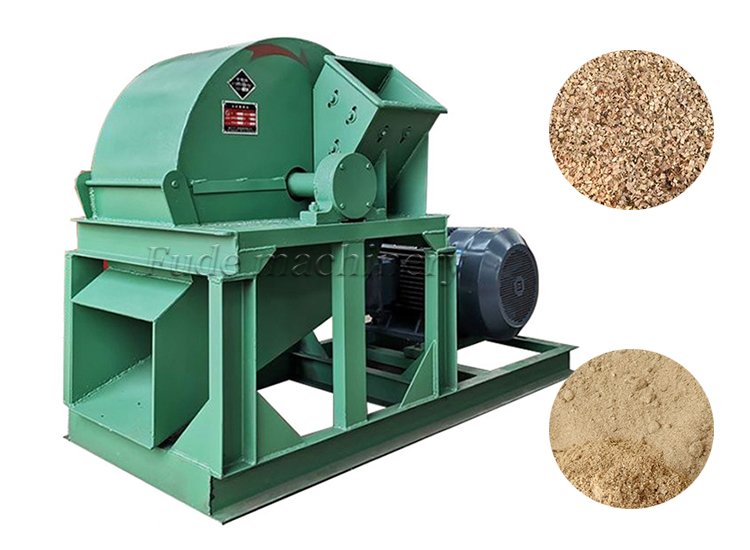
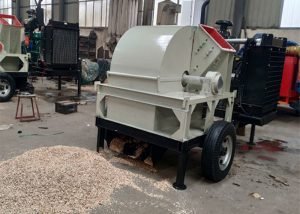
We achieve this fine grinding using specialized crushing machines. Our 420-type wood crusher or a dedicatedsawdust machine are primary choices for this step. These machines typically use a hammer mill design. Rapidly rotating hammers hit the wood material against a screen. This pulverizes the material into fine particles. The screen size determines the final particle size. Smaller screen holes produce finer sawdust. Finer material creates denser pellets. This step is critical for effective compression in the wood pellet machine. It also helps achieve uniform moisture content during drying. Our machines are built for steady performance, giving you consistent particle sizes.
How Do Different Crushers Achieve the Right Particle Size for Pellets?
Different wood crushers are designed to achieve various levels of size reduction. For making biomass pellets, the goal is a specific, fine sawdust. Choosing the right crusher model depends on your incoming chip size and desired output fineness. This selection directly impacts your pellet quality and production efficiency. We offer machines to meet various requirements.
For general fine grinding, our wood shredder or sawdust machine is highly effective. These machines can take wood chips and turn them into sawdust suitable for pelletizing. For finer control over particle size, some operations use a two-stage grinding process. A first stage might be a larger wood crusher for chips, then a finer hammer mill for sawdust. The key is to get consistent particle size. This ensures proper binding in the wood pellet machine. Too coarse, and pellets will crumble. Too fine, and the material might not flow well in the pellet mill. Our equipment provides the precision needed for optimal pellet formation. This ensures durable and high-energy biomass pellets.
Crusher Type
Input Material
Output Particle Size
Ideal for Your Use
420-type wood crusher
Wood chips, branches
Fine sawdust (3-8 mm)
Versatile, general use pelletizing
Sawdust Machine
Wood chips, small pieces
Very fine sawdust (2-5 mm)
High-quality, dense pellets
Integrated Crusher
Mixed waste, larger pieces
Coarser particles initially
Requires secondary grinding for pellets
Straw Crusher
Straw, agricultural waste
Fine fibrous material
Biomass pelletizing from crop waste
Practical Tips for Size Reduction
Match Screen Size: Use a screen size that produces sawdust optimal for your specific wood pellet machine. Typically 3-5mm is ideal.
Monitor Wear Parts: Regularly check hammers and screens for wear. Worn parts reduce efficiency and pellet quality.
Avoid Overloading: Feed material at a steady rate. Overloading causes inconsistent grinding and strains the motor.
Actual Case: A client producing biomass pellets for industrial boilers needed excellent quality. They used our sawdust machine to ensure a uniform 3mm sawdust. This resulted in pellets with superior density and reduced fines. This improved their product’s market value.
Moisture Control: How Does Drying Optimize Wood Pellet Quality?
After fine grinding, controlling moisture content is the next critical step for making biomass pellets. Wood sawdust must have a specific moisture level before pelletization. Too much moisture makes weak pellets. They might expand and break apart. Too little moisture can cause the material to burn inside the wood pellet machine. It also makes good binding difficult. The ideal moisture content is usually between 8% and 12%. Achieving this balance is vital for durable, high-energy pellets.
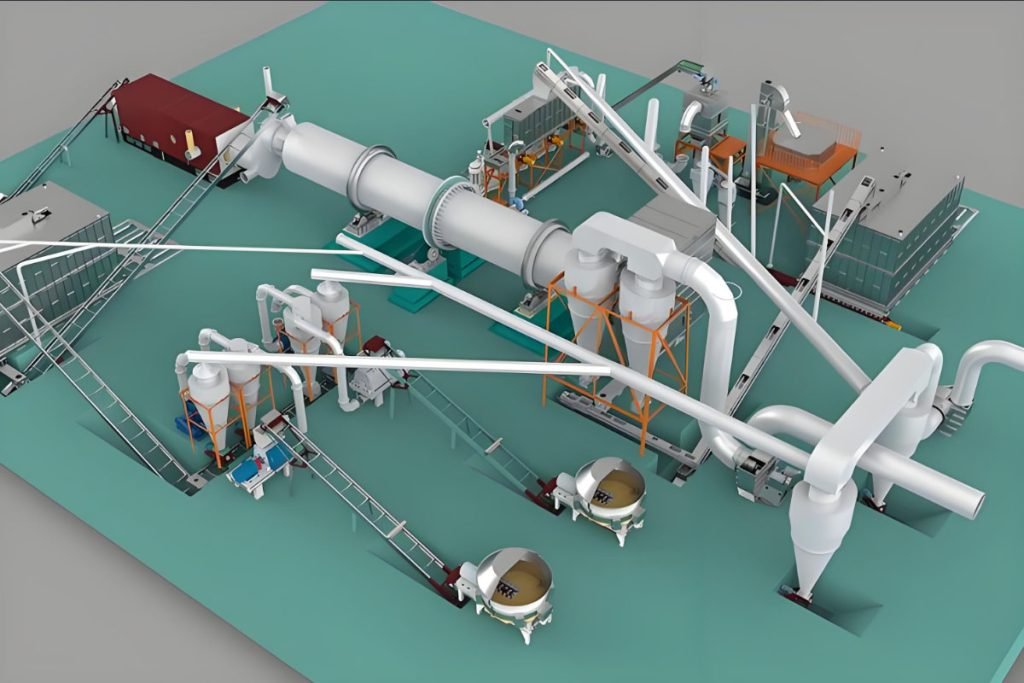
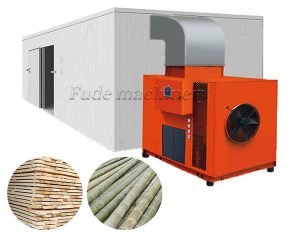
We achieve precise moisture control using a rotary dryer. This machine efficiently reduces the moisture content of the sawdust. The wet material passes through a rotating drum. Hot air flows through the drum, drying the material. The design ensures even drying. This prevents hotspots or uneven moisture distribution. The dryer’s temperature and rotation speed are adjustable. This allows us to fine-tune the process for different wood types and initial moisture levels. Proper drying not only ensures pellet quality but also extends the lifespan of the wood pellet machine and reduces energy consumption during pelletizing. This makes your entire wood pellet production line more efficient.
What Happens if Wood Material is Too Wet or Too Dry for Pellets?
The success of biomass pellets depends heavily on correct moisture levels. Deviations cause major problems. If wood material is too wet, it will not form proper pellets. The pellets will be soft. They will crumble easily. They might also expand or mold during storage. This reduces their energy value and market appeal. On the other hand, if the material is too dry, it becomes brittle. It creates excessive dust during pelletizing. This can also cause friction and wear inside the wood pellet machine. It increases the risk of fire.
Our rotary dryer is designed to manage these challenges. It can handle high initial moisture content. It brings the material down to the optimal range. It uses intelligent controls. These monitor the outlet moisture in real-time. They adjust drying parameters automatically. This ensures consistent moisture content. Proper drying gives you a higher quality pellet. It extends the life of your equipment. It also boosts the efficiency of your entire wood pellet production line. This is a key factor in producing market-ready biomass pellets.
Moisture Level
Impact on Pellets
Solution for You
Too High (over 15%)
Soft, crumbling, mold risk
Use Rotary Dryer to reduce moisture
Just Right (8-12%)
Dense, durable, high energy
Optimal for Wood Pellet Machine
Too Low (under 8%)
Brittle, dusty, fire risk
Adjust dryer, or add a small amount of moisture
Practical Tips for Moisture Control
Test Moisture Regularly: Use a moisture meter to check the raw material’s moisture before and after drying.
Adjust Dryer Settings: Change dryer temperature and residence time based on material and desired output.
Even Material Flow: Ensure a consistent flow of sawdust into the dryer. This promotes uniform drying.
Pelletization Stage: How Do We Form High-Density Biomass Pellets?
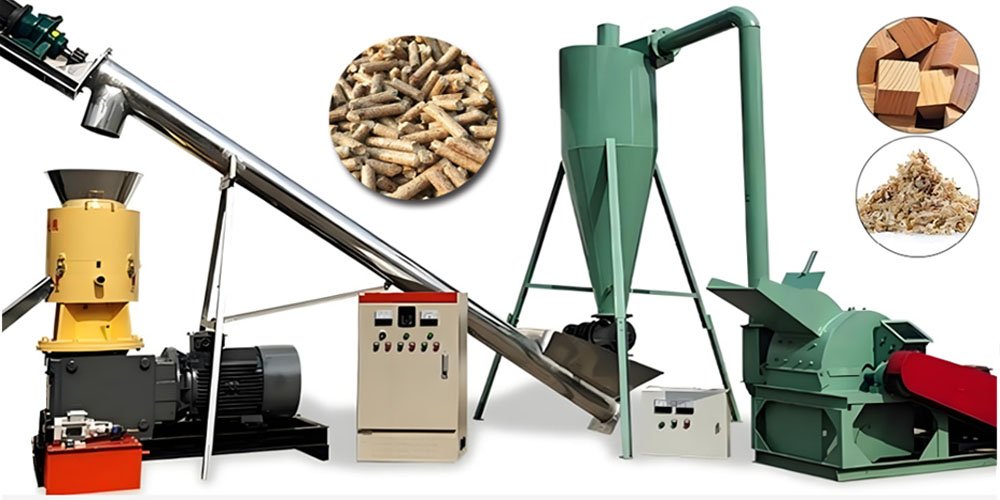
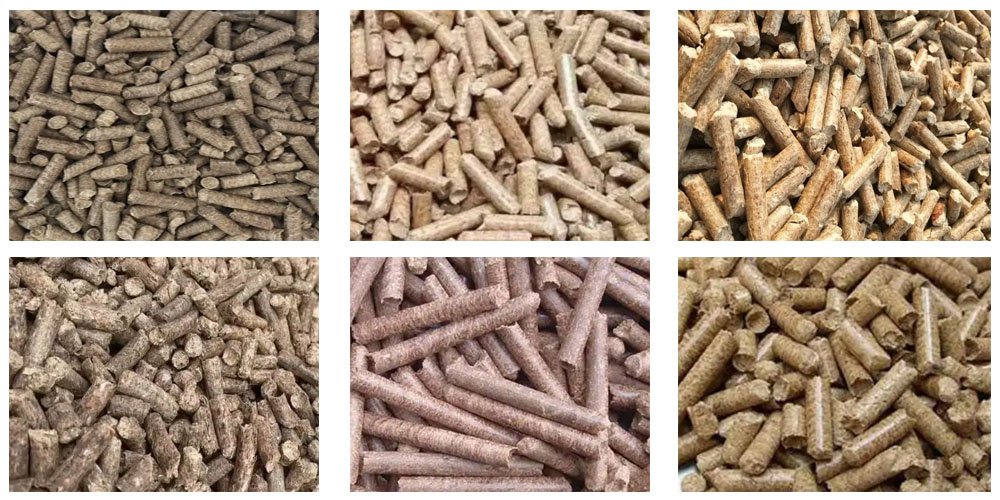
The pelletization stage is where the dried, fine wood powder transforms into dense biomass pellets. This is the core of the wood pellet production line. It involves compressing the material under high pressure. This process creates strong bonds within the wood particles. It forms uniform, cylindrical pellets. The quality of this step defines the final product. It affects its density, durability, and energy content. Our wood pellet machines are designed for high performance here.
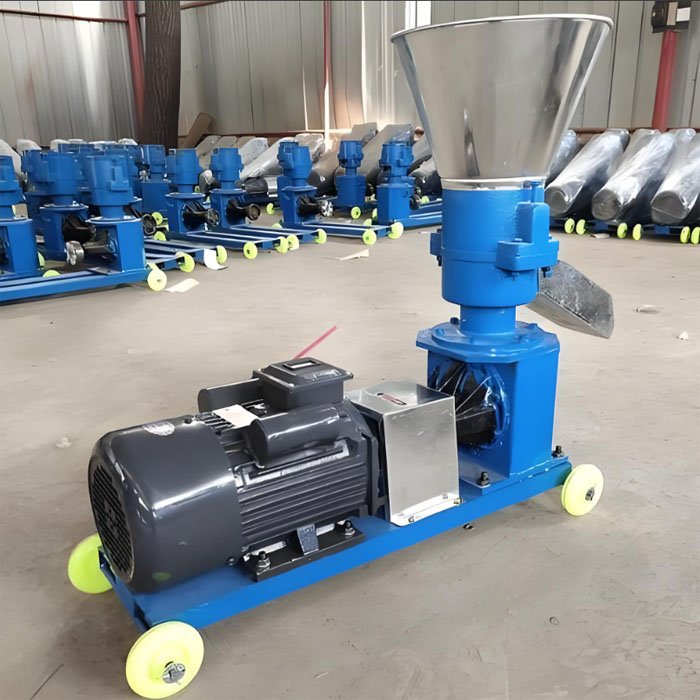
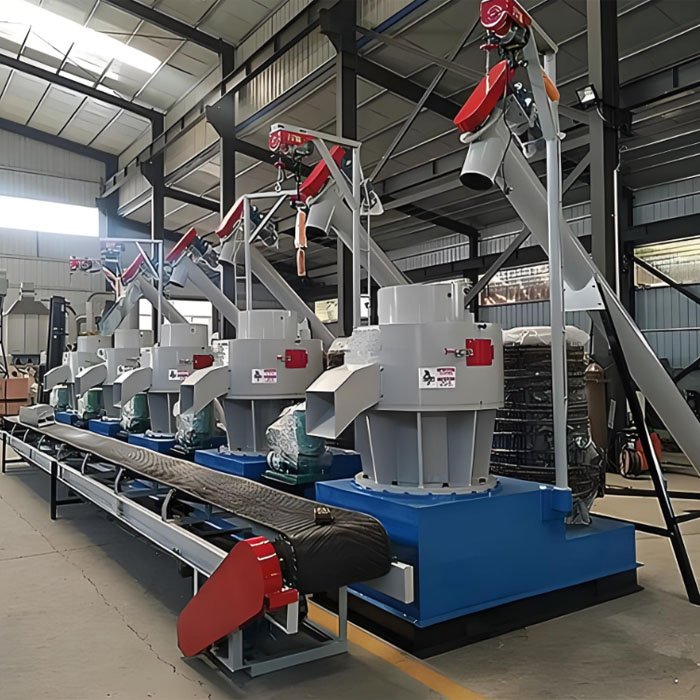
We use specialized wood pellet machines for this crucial step. There are two main types: flat die pellet machines andring die pellet machines. Both work by forcing sawdust through small holes in a die. Rollers apply immense pressure. This compacts the material. As it passes through the die holes, the temperature rises. This activates the natural lignin in the wood. Lignin acts as a natural binder. It holds the pellet together. The formed pellets emerge as long strands. They are then cut to a desired length. Ring die pellet machines are usually for larger scale production. They offer higher output. Flat die pellet machines are often chosen for smaller operations or farm use. Both produce high-quality biomass pellets suitable for biomass energy and other uses.
Flat Die vs. Ring Die: Which Pellet Machine is Right for Your Business?
Choosing between a flat die pellet machine and a ring die pellet machine depends on your production scale and specific needs. Both types are effective. However, they have different advantages in a wood pellet production line. Understanding these differences helps you make the best investment for your biomass pellet factory.
A flat die pellet machine is often more compact and simpler in design. The rollers rotate over a flat die. Material is pressed downwards through holes. These machines are easier to operate and maintain. They are a great choice for smaller-scale operations. They are perfect for individual farms making feed pellets or small workshops producing biomass pellets. A ring die pellet machine has a cylindrical die. Rollers press material outwards through holes in the ring. These machines are more efficient for large-scale industrial production. They offer higher output and longer continuous running times. They are the preferred choice for dedicated biomass energy plants. Both types require careful material preparation. This ensures optimal pellet quality. We provide both options. This helps you select the best fit for your production volume and budget.
Pellet Machine Type
Best For You
Key Feature for Your Business
Flat Die Pellet Machine
Small to medium scale, farm use
Simpler to operate, lower initial cost, flexible
Ring Die Pellet Machine
Large industrial scale production
Higher output, more efficient for continuous use
Feed Pellet Machine
Animal feed production
Specialized for feed, uniform animal feed pellets
Practical Tips for Pelletization
Die and Roller Maintenance: Replace worn dies and rollers regularly. Worn parts reduce pellet quality and output.
Proper Moisture: Ensure sawdust moisture is in the 8-12% range. This prevents die blockage and ensures strong pellets.
Pre-heating Die: Some pellet mills benefit from pre-heating the die. This helps material flow smoothly from the start.
Post-Pelletization Treatment: What Happens After Pellets Leave the Die?
After forming in the wood pellet machine, biomass pellets undergo crucial post-pelletization treatments. These steps ensure the pellets are stable, durable, and ready for market. They enhance the quality and usability of the final product. Just coming out of the pellet mill, the pellets are hot and soft. They need further processing. This prepares them for storage or shipment. This stage makes sure your pellets meet industry standards.
The first step after pelletization is cooling. Pellets leave the wood pellet machine at a high temperature. They are often around 70-90°C. Cooling them quickly helps harden them and reduces moisture rebound. We use a pellet cooler, usually a counter-flow type. This cools the pellets by drawing ambient air through them. This process brings the temperature down to near room temperature. It also reduces moisture slightly. After cooling, the pellets go through a screening process. This removes any fines (dust) or broken pieces. A vibratory screen separates the good pellets from the unacceptable material. The fines can be recycled back into the crushing stage. This minimizes waste and ensures a clean final product. Finally, the ready biomass pellets are packaged for storage or transport. This secures them from moisture and damage.
How Do Cooling and Screening Ensure High-Quality Biomass Pellets for You?
Cooling and screening are often overlooked but crucial steps in the production of biomass pellets. These processes directly impact the durability, appearance, and overall quality of your final product. Without proper cooling, pellets can degrade or fall apart during transport and storage. Without screening, your product might contain too much dust. This reduces its market value.
Proper cooling using a pellet cooler prevents thermal stress from cracking the pellets. It also helps the lignin binder solidify properly. This makes the pellets stronger. It reduces breakage. This also creates a safer product. Hot pellets can cause spontaneous combustion if stored improperly. Screening after cooling removes any small fragments or dust. This ensures a clean, uniform product. Buyers prefer pellets with low fines content. It means better combustion in boilers. We often integrate pellet coolers and screens into our complete wood pellet production line setups. This provides a seamless, automated process. This guarantees that your biomass pellets are of optimal quality. They will meet market demands consistently.
Convenient storage, extended shelf life, ready for sale
Practical Tips for Post-Pelletization
Consistent Cooling: Ensure uniform airflow through the cooler. This prevents uneven cooling and stress points in pellets.
Regular Screen Cleaning: Keep screens clear of blockages. This ensures efficient separation of fines.
Proper Storage: Store packaged pellets in a dry, well-ventilated area. This prevents moisture absorption and degradation.
Key Benefits and Applications: Why Use Biomass Pellets for Your Energy Needs?
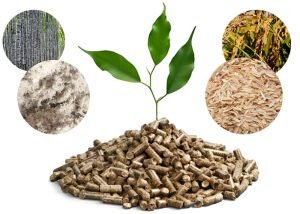
Using biomass pellets as fuel offers many benefits for energy production. They are a clean, renewable alternative to fossil fuels. They come from wood waste and agricultural residues. This makes them a sustainable option. They help reduce carbon emissions. They also support local economies by utilizing waste materials. These benefits make biomass pellets an attractive choice for various energy needs.
Biomass pellets are highly versatile. They are used in many applications. For homes, they offer an efficient and cost-effective heating solution in pellet stoves or boilers. For industries, they can power large boilers for electricity generation or process heat. They are also used in power plants for biomass energy production. Their uniform size and low moisture content ensure stable combustion. They also produce fewer emissions than raw wood. This makes them an environmentally friendly choice. They are easy to store and transport due to their high density. This makes logistics simpler. Our wood processing equipment helps create these high-value pellets efficiently.
Where Can You Utilize Biomass Pellets for Your Energy and Industry Needs?
Biomass pellets are a key resource across many sectors. Their applications are expanding as the world moves towards sustainable energy. Understanding these uses can help you identify new markets for your biomass pellets. This maximizes the value of your output.
For residential heating, small pellet stoves efficiently burn biomass pellets. They provide consistent heat. For industrial use, large biomass energy plants or factories use them to fuel industrial boilers. This generates steam or electricity. They offer a clean burning alternative to coal or natural gas. In agriculture, pellets sometimes serve as animal bedding. They are also used as a base for specific composts. Some specialized charcoal machines can even use pellets as a feedstock. The consistency and high energy density of biomass pellets make them very popular. We make equipment for the entire process. This ensures your final product meets the high demands of these various applications.
Application Sector
Your Use Case for Biomass Pellets
Direct Benefit to You
Residential Heat
Fuel for pellet stoves/boilers
Cost-effective, clean home heating
Industrial Power
Fuel for industrial boilers
Renewable process heat, electricity generation
Power Plants
Co-firing with coal, dedicated fuel
Reduced carbon emissions, sustainable energy
Agriculture
Animal bedding, compost base
Absorbent, biodegradable, adds value to waste
Practical Tips for Using Biomass Pellets
Check Pellet Standards: Ensure your biomass pellets meet industry standards for density, ash content, and moisture. This ensures market acceptance.
Proper Storage: Store pellets in dry conditions to prevent moisture absorption. This maintains their energy value.
Efficient Burners: Use modern pellet stoves or boilers for best combustion efficiency.
2025 Latest Developments: What’s New in Biomass Pellet Production?
In 2025, the biomass pellet industry is seeing significant advancements. These developments focus on improving efficiency, sustainability, and the raw material range. New technologies make production cheaper. They also make it more environmentally friendly. Manufacturers are innovating to meet growing demand for renewable energy. We at FUDE Machinery integrate these new ideas into our wood processing equipment.
Latest advancements include smarter automation and better energy recovery systems. Modern wood pellet production lines use advanced sensors and software. These optimize every step. They control moisture, material flow, and pellet quality in real-time. This reduces human error. It boosts overall output. Energy recovery systems are also becoming more common. They capture waste heat from drying or cooling processes. This heat is then reused elsewhere in the plant. This significantly reduces overall energy consumption. Also, there’s a growing focus on processing diverse feedstock. This includes various agricultural residues and even municipal solid waste. This expands the potential for biomass pellets globally. Our new pellet machine models feature enhanced energy efficiency. They have improved dust collection. This creates a cleaner and safer production environment for you.
Latest Developments Overview:
Advanced Automation: AI and IoT for real-time monitoring, remote control, and predictive maintenance.
Improved Energy Efficiency: Waste heat recovery systems, optimized motor designs, and less energy-intensive processes.
Diverse Feedstock Handling: New crushers and dryers capable of processing wider range of agricultural and industrial waste.
Enhanced Pellet Quality Control: Inline sensors measuring moisture, density, and durability for instant adjustments.
Modular Plant Design: Easier to scale up or down, and quicker to install.
Market insights indicate a robust growth in the biomass energy sector. This fuels the demand for more advanced and efficient wood pellet production lines. Consumers and industries seek cleaner energy options. This drives innovation in pellet making technology. There is also a strong push for circular economy practices. This means turning more waste materials into valuable pellets. This trend requires flexible wood processing equipment that adapts to different raw materials. Our commitment is to provide pellet machine technology that helps you stay ahead in this evolving market. We focus on sustainability and efficiency.
Frequently Asked Questions
Question 1: What is the optimal moisture content for wood material before it enters the wood pellet machine? The optimal moisture content for wood material before pelletizing is usually between 8% and 12%. This range ensures strong, durable biomass pellets. It also prevents equipment problems.
Question 2: Can FUDE Machinery’s equipment process both wood and agricultural waste into pellets? Yes, our wood processing equipment can handle both. We have various wood crushers and straw crushers capable of processing diverse materials. This includes wood, branches, and agricultural waste like straw.
Question 3: How long do biomass pellets typically last in storage? When stored properly in dry conditions, biomass pellets can last for many months, even over a year. Keeping them away from moisture is key to maintaining their quality and energy content.
Question 4: What types of wood pellet machines does FUDE Machinery offer? FUDE Machinery offers both flat die pellet machines for smaller-scale operations and ring die pellet machines for larger industrial production. We also have feed pellet machines for animal feed.
Question 5: Do you offer solutions for the entire wood to biomass pellets production line? Yes, FUDE Machinery provides complete wood pellet production line solutions. We offer everything from raw material preparation to drying, pelletizing, cooling, and packaging systems.
Summary and Recommendations
Making biomass pellets from wood involves several key steps. This includes raw material preparation, precise crushing, controlled drying, efficient pelletizing, and critical post-treatment. Each stage is vital for producing high-quality, dense biomass pellets. These pellets serve as an important renewable fuel. They support global biomass energy needs. We covered the equipment and techniques we use at FUDE Machinery for each stage.
We recommend a thorough assessment of your raw materials and desired output. This helps you choose the right wood processing equipment. Consider investing in a complete wood pellet production line. This ensures maximum efficiency and product quality. FUDE Machinery offers comprehensive solutions. From initial crushing with a wood crusher to final pelletizing with a pellet machine, we have you covered.
About FUDE Machinery
FUDE Machinery is a leading Chinese manufacturer of high-quality wood processing equipment. We are located in Zhengzhou. We focus on B2B clients globally. Our product range includes wood crushers, wood chippers, rotary dryers, wood pellet machines, charcoal machines, and complete processing lines. Established in 2015, we operate an 8000-square-meter factory. We produce over 500 units annually. Our experienced R&D team and advanced manufacturing ensure superior product quality. We have successfully exported our equipment to over 120 countries. We provide full-service support. This includes design, manufacturing, installation, training, and after-sales service. Our mission is to provide you with efficient and reliable solutions for your wood processing needs.
Making good duck feed is important. Bad feed causes problems. You need the right process. We take raw materials. We process them. We form small pieces. This makes duck feed pellets. This is how we make feed for ducks. Making quality feed means fol...
The process of drying wood with a box dryer is a complex process that requires multiple steps and considerations. The following is an overview based on general principles and practical operational experience: Wood dryer Wood drying oven Box type d...
Piles of scrap wood cluttering your site? Facing high disposal costs and logistical nightmares? Let this old hand show you how the right wood crusher transforms that burden into a streamlined, valuable resource. A wood crusher boosts efficiency by...
Thailand has abundant forest resources and crop resources, which is an advantage for Thailand to produce anduse wood pellet as a kind of green energy, and makes it possible to develop Thailand as the biomass pellet tradecenter in ASEAN. Thailand i...
 Fude Machinery-wood crusher manufacturer

HelloPlease log in