Worried about energy? Need cleaner power? Biomass energy offers a promising future.
Biomass energy has a very bright future. It is renewable and widely available. Technology improvements make it more efficient. Policy support is growing globally. This helps meet rising energy demand cleanly.
We use a lot of energy every day. Most of this energy comes from fossil fuels. But fossil fuels are running out. They also harm our planet. Biomass energy is different. It is a renewable resource. It comes from plants and animals. Using it can help us build a cleaner future. The potential is huge. We are seeing more interest in it now.
Why is Biomass Energy Important Now?
Do you think about climate change? Are you worried about energy prices? Biomass energy is becoming important because of these issues.
Biomass energy is important now because it can help with climate change. It reduces reliance on fossil fuels. It also helps manage waste materials. This makes it a key part of the clean energy shift happening today.
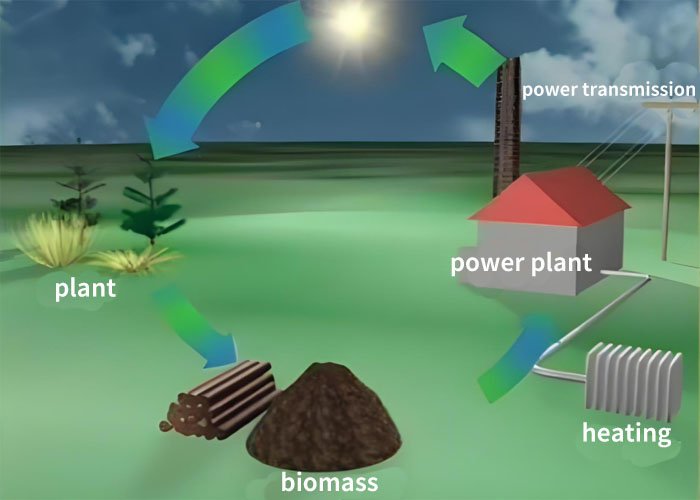
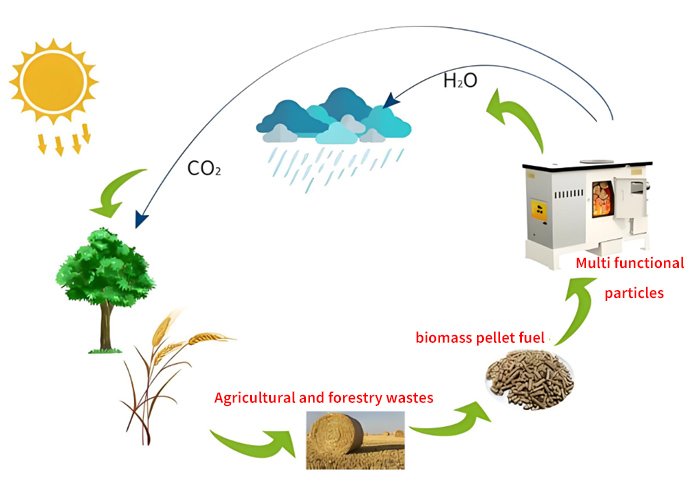
Our world faces big problems with energy and climate. Burning coal, oil, and gas puts carbon dioxide into the air. This causes the planet to get warmer. Biomass energy can help reduce this. Plants take in carbon dioxide as they grow. When we burn biomass for energy, this carbon goes back into the air. If we grow new plants to replace the ones we use, the carbon cycle is balanced. This makes biomass close to carbon neutral. We also rely heavily on energy from other countries. This can be a problem for energy security. Biomass can often be sourced locally. This makes countries less dependent on imported fuels. It uses materials like wood waste, crop leftovers, and animal manure. Instead of these materials rotting and releasing methane, we use them for energy. This is a good way to handle waste. It turns a problem into a solution. Many governments now support renewable energy. They offer money or rules that make it easier to use biomass. This support helps the biomass industry grow faster.
Global Warming Concerns
Fossil fuels release lots of CO2. This heats the planet. Biomass can be carbon neutral. It balances the carbon cycle. Using biomass reduces net CO2 added to the air.
Energy Independence
Many countries import fuel. This makes them less secure. Biomass is often local. Using it increases energy independence. It keeps energy money inside the country.
Waste Management
Farms and forests create waste. This waste can rot and cause pollution. Biomass energy uses this waste. It turns waste into fuel. This helps manage waste better.
Biomass helps solve energy problems. It helps with climate change. It uses waste material. This is why it is important right now. It gives us a path to a cleaner energy future.
What Makes Biomass a Future Energy Leader?
Why should we choose biomass for tomorrow’s energy? What makes it stand out?
Biomass is a future energy leader because it is renewable and always available. It comes from many different sources. We can use existing energy systems with it. This makes the switch easier for everyone.
Biomass is different from fossil fuels. Fossil fuels formed over millions of years. When they are gone, they are gone forever. Biomass comes from plants and animals that are alive today. As long as we keep growing plants and trees, we will have biomass. This makes it a truly renewable source. The cycle of growth and use can continue forever. Biomass is also found almost everywhere in the world. We get it from forests, farms, and even our trash. This means many countries can produce their own biomass energy. They do not need to rely on a few places for fuel. There are many kinds of biomass materials. We can use wood, grass, crops, manure, and waste. Each type has different properties. This allows us to choose the best material for different energy needs. We can also use biomass in many ways. We can burn it to make heat and power. We can turn it into liquid fuels for cars. We can even make gas from it. Many power plants or heating systems that burn coal can be changed to burn biomass. This is easier than building completely new energy infrastructure. This flexibility and wide availability make biomass a strong contender for future energy.
Biomass Source
Where It Comes From
Examples
Woody Biomass
Forests, tree farms, wood processing
Wood chips, sawdust, tree branches
Agricultural Residues
Farms after harvest
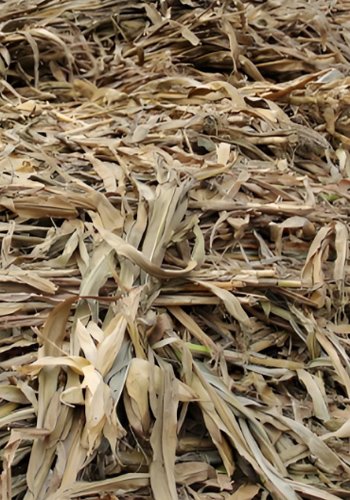
Crop stalks, straw, husks
Energy Crops
Plants grown specifically for energy
Miscanthus, switchgrass, fast-growing trees
Waste Biomass
Animal farms, landfills, food processing
Manure, municipal solid waste, food waste
Biomass offers a sustainable path. It is renewable and widely available. It fits into our current energy world. These facts point to a bright future for biomass energy.
How Does Machinery Turn Biomass into Energy?
Biomass does not usually come in a ready-to-use fuel form. How do we process it? What machines do we need?
We need special machines to turn raw biomass into useful fuel. These machines cut, crush, dry, and shape the biomass. They make it easier to handle, store, and burn efficiently. This processing step is very important for modern biomass use.
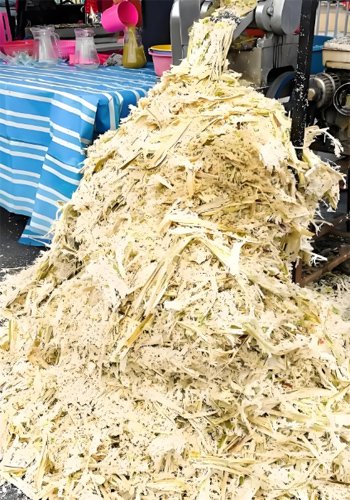
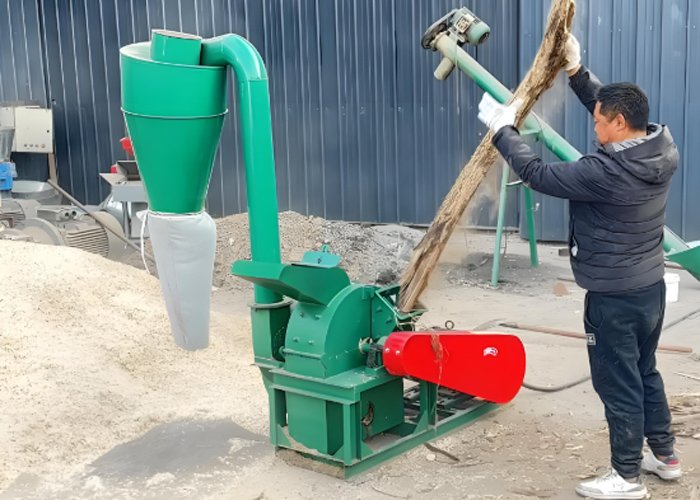
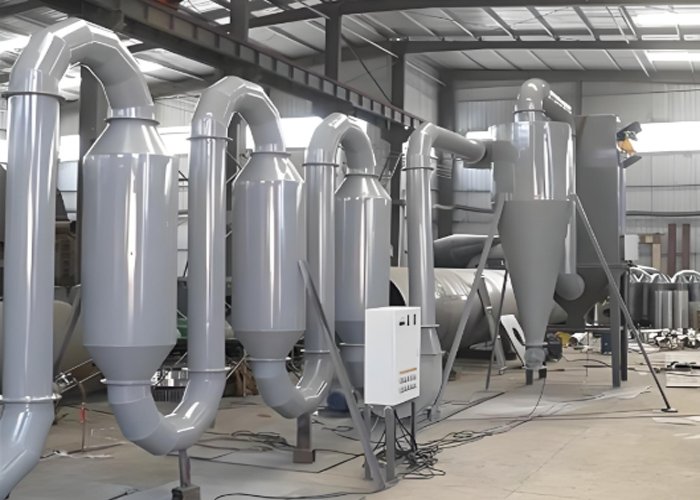
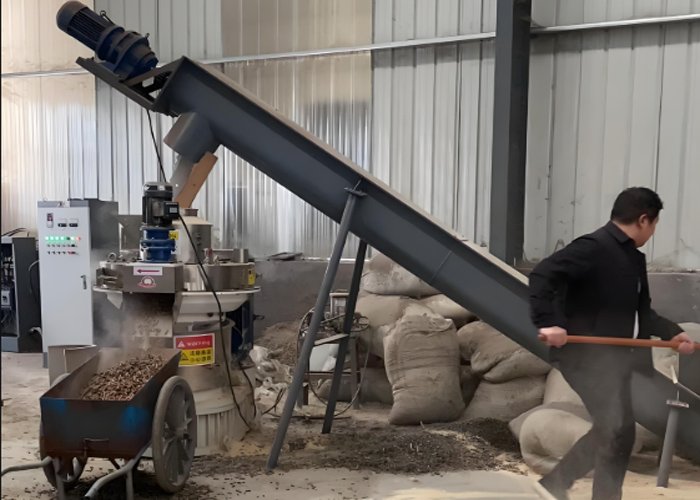
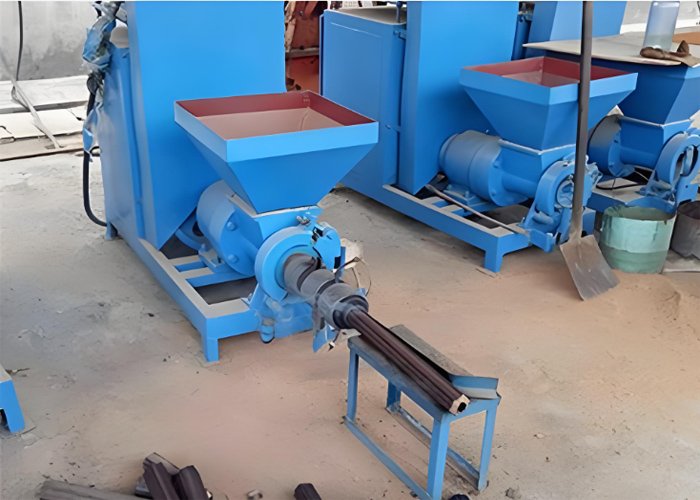
Raw biomass comes in many shapes and sizes. A tree branch is different from corn stalks. Animal manure is different from wood chips. To use these materials for energy, we must process them. One first step is size reduction. Materials like branches or logs are too big. We use machines like wood crushers or chippers to break them down. This makes the material smaller and more uniform. Smaller pieces are easier to handle. They burn better too. Another step is drying. Biomass often contains a lot of water. Water reduces the energy you get when you burn it. Dryers remove this water. This makes the fuel more efficient. Rotary dryers are common for this. Sometimes, we make biomass denser. Loose materials like sawdust or straw take up a lot of space. Machines like pellet mills or briquette presses compress them. This turns them into small pellets or blocks. Pellets are easy to store and transport. They have a consistent size and energy content. This is good for automatic heating systems. Another process is carbonization. Machines like carbonization furnaces heat biomass without air. This turns it into biochar or charcoal. These materials are energy-rich. They also have other uses, like soil improvement. Combining different machines creates a whole production line. This takes raw biomass and turns it into a usable fuel product. These machines are vital for the biomass industry.
Size Reduction is Key
Large biomass pieces are hard to use. Crushers and chippers break them down. This makes particles smaller. Uniform size helps with burning and handling.
Making Biomass Denser
Loose materials are bulky. Pellet mills compress them. Briquette machines make blocks. This makes fuel easier to store. It makes transport cheaper.
Heating Biomass Without Air
This process is called pyrolysis or carbonization. Furnaces heat biomass in low oxygen. This makes charcoal or biochar. These products store energy well.
Drying the Material
Wet biomass burns poorly. It wastes energy. Dryers remove moisture. This increases the fuel’s heating value. It makes burning more complete.
Processing biomass needs the right machines. These machines prepare the material. They make it a good fuel. This mechanical step is crucial for using biomass energy effectively.
Where Will We Use Biomass Energy Next?
We know biomass can make energy. But where exactly will it be used more in the future?
Biomass energy will be used more for heating buildings and making electricity. It will also be important for making liquid fuels for transport. Industries will use it too. Its use will spread across many parts of our energy system.
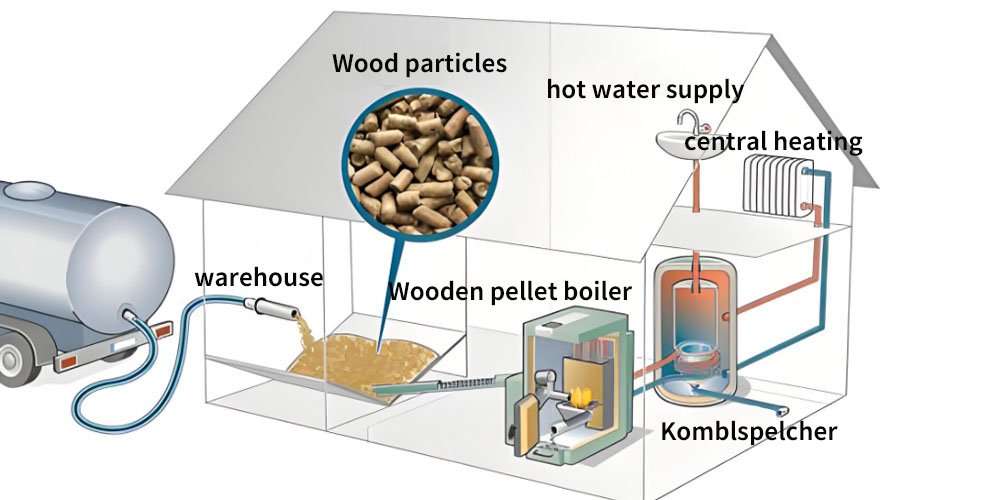
Today, biomass is already used for energy. But its role is growing. One big area is heating. Biomass boilers can heat single homes or large buildings. They can also heat whole districts. Using wood pellets or chips for heating can be cheaper and cleaner than oil or gas in some places. Another major use is making electricity. Biomass power plants burn processed biomass. They use the heat to make steam. The steam turns a turbine connected to a generator. Some power plants burn only biomass. Others mix biomass with coal. This helps reduce emissions from coal plants. Biofuels are also a growing area. Liquid fuels like bioethanol and biodiesel are made from crops or waste. These fuels can be used in cars and trucks. They are an alternative to gasoline and diesel. Industries that use a lot of heat or power can also use biomass. For example, paper mills or factories might burn wood waste. This provides energy and handles their waste at the same time. Biomass can also be used to make biogas. This gas is similar to natural gas. It can be used for heating or electricity. It comes from breaking down organic matter without air, like in animal manure or food waste. The future will see biomass integrated more into energy grids. It will power more homes, vehicles, and businesses.
Heating Homes and Buildings
Biomass boilers provide heat. They use wood pellets, chips, or logs. This can be for one house or many buildings. It replaces fossil fuel heating.
Generating Electricity
Power plants burn biomass fuel. This creates steam. The steam runs turbines. Turbines make electricity. This adds renewable power to the grid.
Powering Vehicles and Industry
Biofuels like ethanol power cars. Biodiesel powers trucks. Industries use biomass for heat and power. This reduces their fossil fuel use.
Biomass has many future uses. It can heat our homes. It can make electricity. It can fuel our transport. This wide range of uses makes it very promising.
Biomass energy has a strong future. It is renewable and helps fight climate change. It needs continued work on logistics and efficiency.
Seen piles of wood scrap and just thought 'waste disposal'? Or maybe 'boiler fuel'? Friend, let me tell you – that's just scratching the surface. The real magic happens after the crusher. True value comes not just from crushing, but f...
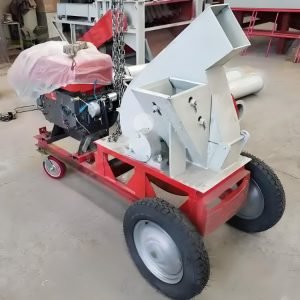
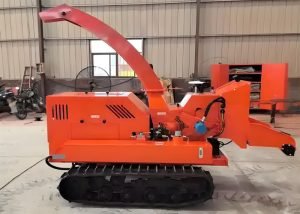
Piles of wood waste cluttering your space? Disposal costs eating into profits? Our wood crushers turn waste into valuable resources, boosting your bottom line. A wood crusher is a machine designed to break down large pieces of wood into smaller...
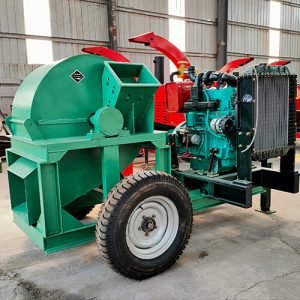
Struggling with scattered waste piles or costly material transport? Heard about mobile crushers but unsure if they fit, or which type you really need? Let an old hand with in the field cut through the noise. A mobile crusher combines processing...
 Fude Machinery-wood crusher manufacturer
HelloPlease log in