 Fude Machinery-wood crusher manufacturer
Application of sawdust machine in edible mushroom cultivation
593It is a machinery specifically used for processing wood, branches, roots, scraps, etc. into fine materials such as sawdust and sawdust
View detailsSearch the whole station Products
Raising ducks needs good feed. Poor feed causes slow growth and sick birds. Quality feed means better ducks.
Feed pellets are vital for duck farming success. They provide balanced nutrition, reduce waste, and promote efficient growth. Pellets ensure ducks eat all necessary nutrients quickly and easily. This leads to healthier, faster-growing ducks.
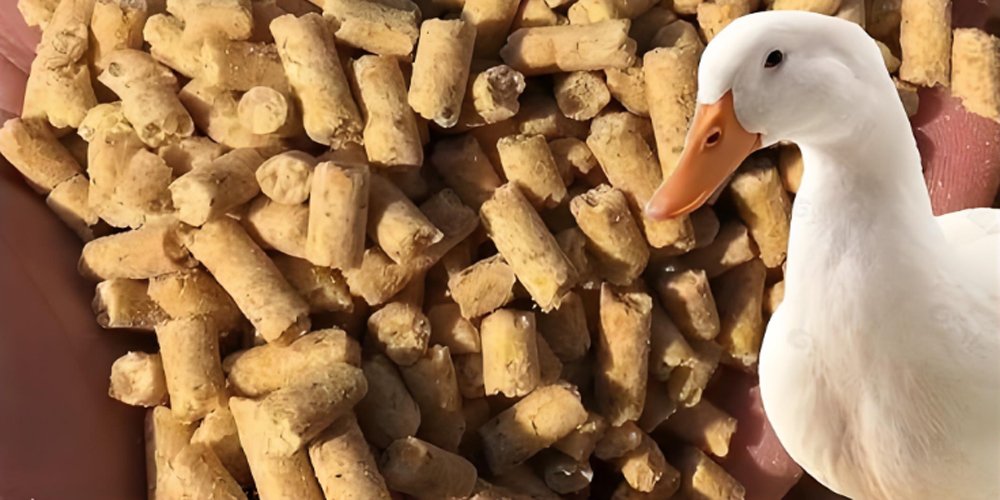
Choosing the right feed form is important for your ducks. Pellets offer many advantages over other feed types. We see how good equipment helps make this possible.
Worried about what your ducks eat? Need to know the parts of their feed? Understanding pellet ingredients is key.
Duck feed pellets contain a mix of grains, protein sources, vitamins, and minerals. These are carefully chosen for duck nutritional needs at different life stages. Ingredients like corn, soybean meal, and supplements are common.
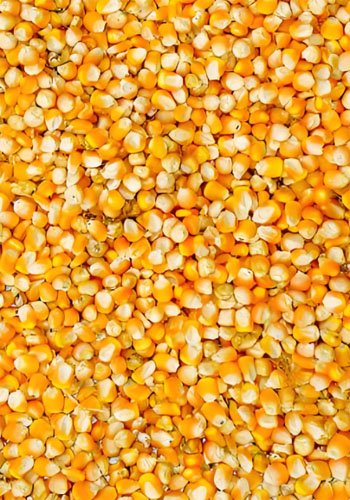
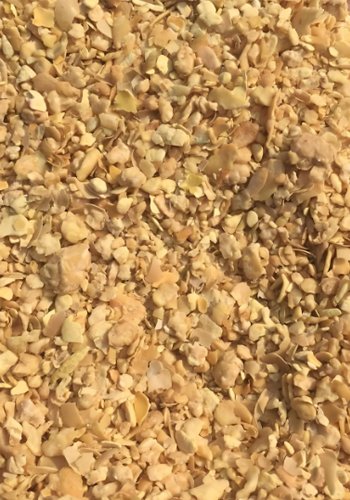
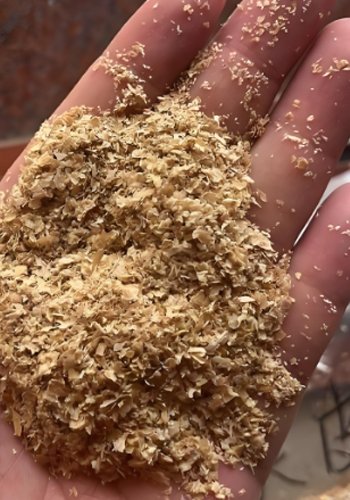
Making good duck feed pellets requires specific parts. The goal is to give ducks everything they need to grow strong and healthy. This includes energy, protein, and essential nutrients. Different ingredients provide different benefits. We must balance them correctly.
Ducks need energy to live and grow. Grains like corn, wheat, and barley provide this. Corn is a main part because it has lots of energy. Wheat and barley also add energy and fiber.
Protein is needed for muscle and feather growth. Soybean meal is a common protein source. It gives good amino acids. Other sources can include fish meal or sunflower meal.
Fats give more energy and help ducks use vitamins. Vegetable oils are often added. They also make the feed taste better.
Vitamins and minerals are small parts but are very important. They help with health, bone growth, and reproduction. Calcium and phosphorus are for bones. Vitamins like A, D, E, K, and B vitamins support body functions. Trace minerals like zinc, copper, and selenium are also needed.
Some pellets also have binders. These hold the pellet shape. Lignin sulfonate or bentonite are examples. They make sure the pellet stays together until the duck eats it. This reduces dust and waste.
The exact mix depends on the duck’s age (starter, grower, layer) and purpose (meat, egg). Getting this mix right is important. Then, you need good machines to turn these parts into hard, useful pellets. We understand the importance of good ingredients put together well.
Seeing slow duck growth? Worried about sick birds? The right feed form makes a difference.
Feed pellets improve duck health and growth because they are easy to eat, offer balanced nutrition in every bite, and reduce selective feeding. This means ducks get consistent nutrients, leading to better health and faster development.
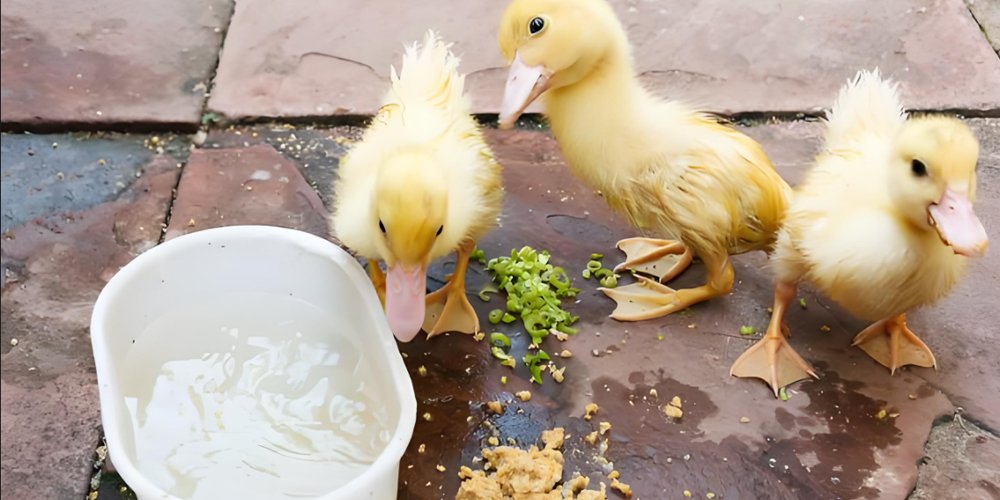
Pellets are a great feed type for ducks. They help ducks grow better and stay healthier than eating mash or other forms. There are several reasons for this. Understanding these helps farmers make better choices for their flocks. It also shows why making good pellets is important work for us.
One big benefit is nutrient consistency. When feed is in powder or mash form, ducks can pick out only the tasty parts. This means they might not eat all the needed vitamins and minerals. Pellets mix all ingredients together. Every pellet has the same balance of nutrients. When a duck eats a pellet, it gets a complete meal. This consistent diet helps ducks grow evenly and get all required nutrients for health.
Pellets also reduce waste. Mash feed can be easily spilled or blown away by wind. Ducks might also play in mash, wasting it. Pellets are heavier and stay in the feeder better. Ducks eat them quickly and neatly. Less waste means lower feed costs for the farmer. It also keeps the farm area cleaner.
Eating pellets is more efficient for ducks. They can eat a needed amount of pellets faster than eating mash. This is because pellets are more dense. Ducks spend less time eating and more time growing or resting. This efficient eating helps them reach market weight faster or lay eggs better. It saves energy for the duck.
Pellets can also improve feed safety. The pelletizing process uses heat and pressure. This heat can kill some harmful bacteria that might be in raw ingredients. This makes the feed safer for the ducks to eat. Healthy feed means healthy ducks and less need for medicines.
Finally, pellets are easier to store and handle. They flow well and take up less space than mash. This makes storing large amounts simpler. It also makes putting feed into feeders easier, especially in large farming systems.
These points show clearly why pellets are a top choice for serious duck farmers. To get these benefits, farmers need access to good quality pellets. Making these pellets needs reliable machinery.
Thinking about making your own duck feed? Want consistent, high-quality pellets? You need the right machines.
Making quality duck feed pellets requires specific processing equipment. This includes crushers or grinders, mixers, and importantly, a feed pellet mill. Cooling and screening equipment are also essential steps for finished pellets.
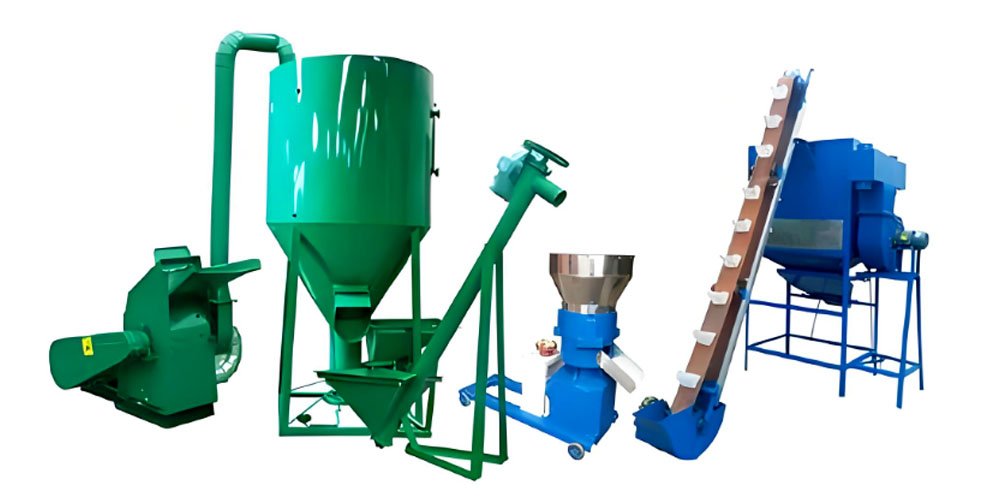
Creating good duck feed pellets is a multi-step process. Each step needs specific machines to be done right. For our Fude Machinery Equipment Co., Ltd, providing reliable equipment for this process is what we do. Understanding the equipment helps farmers or feed producers know what is involved.
First, raw materials need preparing. Large ingredients like grains might need to be broken down. A hammer mill or crusher is used for this. It grinds ingredients into smaller particles. The size of the particles affects pellet quality. Smaller, uniform particles mix better and pelletize easier.
After grinding, ingredients must be mixed thoroughly. A feed mixer is needed. This machine ensures that all parts – grains, protein, vitamins, minerals, fats, binders – are spread evenly throughout the batch. A good mix means every pellet will have the right balance of nutrients. Different types of mixers exist, like horizontal or vertical mixers. Choosing the right mixer is important for consistency.
The most important machine is the feed pellet mill. This is where the mixed feed turns into pellets. The mix goes into the pellet mill. Inside, rollers force the mix through holes in a die. High pressure and friction heat the material. This heat helps bind the particles together. The hot pellets come out and are cut to the desired length. Pellet mills come in different sizes and designs, like ring die or flat die types. For industrial scale, ring die mills are common. This is a key machine we focus on. Our engineering ensures these machines work well and make strong pellets.
After pelleting, the pellets are hot and soft. They need cooling. A pellet cooler is used. Cooling makes the pellets hard and stable. It also removes moisture. This helps with storage and prevents mold growth. Counter-flow coolers are a common type.
Finally, cooled pellets may need screening. A screener removes fines (small broken pieces) and large lumps. This ensures uniform pellet size. The fines can be sent back to the pellet mill for repelleting. This step improves final product quality.
Sometimes, extra steps are included. For example, adding liquid fats or enzymes might need specific application equipment before or after pelleting. A crumbler might be used to break pellets into smaller crumbles for very young ducks.
Having reliable, well-built machinery for each step is vital for producing high-quality duck feed pellets consistently. Our company focuses on providing such equipment. We know good machines make good pellets, and good pellets make healthy ducks.
Running a big duck farm is hard work. Feeding many ducks efficiently matters. How does pellet feed help with large scale?
For large-scale duck farms, choosing pellet feed offers major benefits in efficiency, cost management, and logistics. Pellets reduce labor, minimize waste, simplify storage, and allow automated feeding systems, all critical for profitable large operations.
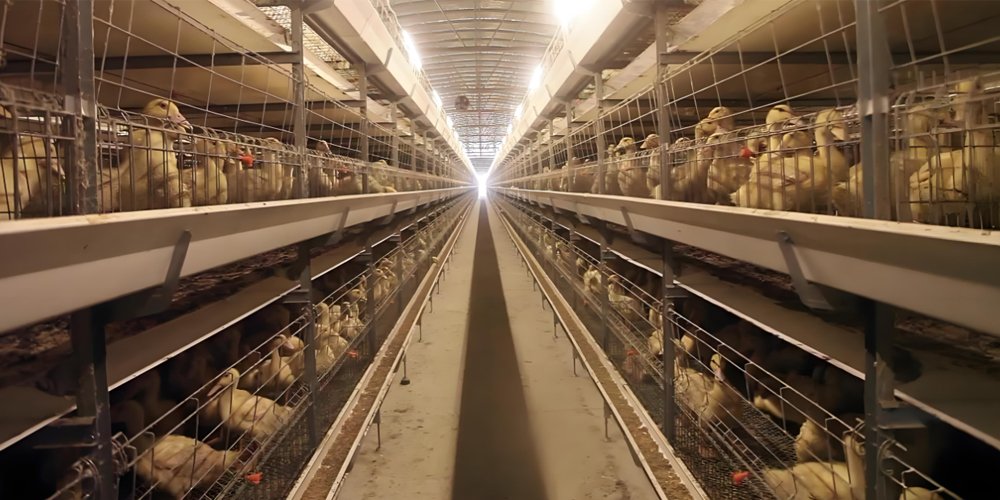
Managing thousands of ducks requires smart systems. Feed is a big part of costs and daily work. Pellet feed makes large-scale feeding much easier and better than using mash or other feeds. This is why many big farms prefer it. We understand the needs of large operations and how equipment plays a role.
Here is a comparison showing why pellets suit large farms:
| Feature | Pellet Feed | Mash/Other Feed | Advantage for Large Farms |
|---|---|---|---|
| Feeding | Easy with automated systems. | Requires more manual work, harder to automate. | Reduced labor, efficiency |
| Waste | Much less waste (spilling, selection). | More waste (spilling, blowing, selection). | Significant cost saving |
| Storage | Flows well in silos, less dust. | Can bridge/clog, dusty. | Easier management |
| Uniformity | Consistent nutrient intake per bird. | Selective eating possible, varied intake. | Even flock growth |
| Health Risk | Less dust, heat treatment reduces bacteria. | Can be dusty, no heat treatment. | Better flock health |
Choosing pellet feed is a strategic decision for large duck farms to improve efficiency and profitability. To get these benefits, farmers need a steady supply of high-quality pellets. This relies on efficient feed production, which is where good pelletizing equipment becomes essential. We help provide the means to produce these pellets.
Thinking about controlling your feed quality? Want to customize your duck feed? Making pellets yourself is possible.
Yes, farmers can make their own duck feed pellets. This requires sourcing ingredients, having the correct feed formula, and investing in necessary feed processing equipment, including a pellet mill. It offers control over quality and ingredients.
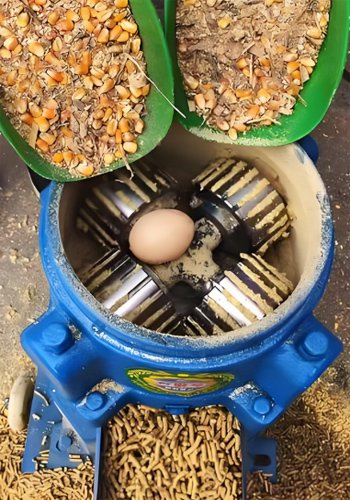
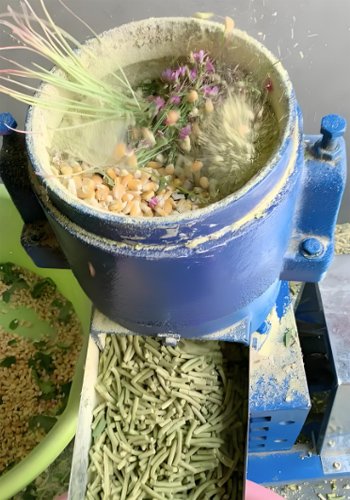
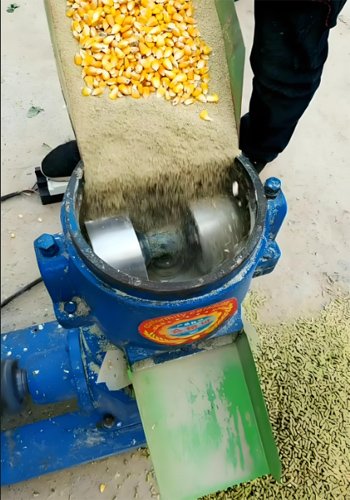
Making feed on the farm, or “on-farm feed production,” is an option for some farmers. This gives them more control over what their ducks eat. It requires commitment and the right tools. We see farmers interested in this and provide equipment for different scales.
First, a farmer needs a good feed formula for their ducks. This formula must meet the specific nutritional needs based on age and purpose. This often requires working with an animal nutritionist. Getting the formula right is the base for good feed.
Next, the farmer must source all the ingredients needed by the formula. This includes grains, protein sources, vitamin/mineral premixes, and maybe binders or oils. Buying ingredients in bulk is often needed to make it cost-effective. Storage for these raw materials is also necessary.
Then comes the equipment. As we discussed before, the full process needs several machines. For a farmer doing this on their farm, the scale might be smaller than a large feed mill. But the basic steps are the same. They will likely need a small grinder or hammer mill, a mixer, and a feed pellet mill suitable for their farm size.
The feed pellet mill is the core machine. For smaller scale, a flat die pellet mill might be suitable. It is often simpler and less costly for lower production volumes compared to a ring die mill used in commercial factories. Even a small machine needs power and a place to operate safely.
After pelleting, a small cooler or even just spreading the pellets out to cool and dry can work for small batches. Screening might be done with simple sieves.
Making feed on the farm needs space for equipment and ingredient storage. It also needs someone with the skills to operate and maintain the machines. Quality control is also important; the farmer needs to check that the final pellets are consistent and the ducks are performing well on them.
Making your own feed pellets is a big step. It needs careful planning and investment in the right machinery. We provide different sizes of feed pellet machines that farmers can use if they choose this path. It is about having the right tools to make good feed.
Feed pellets greatly improve duck farming outcomes. They ensure ducks get complete, consistent nutrition with less waste. Using quality pelletizing equipment is key to making these valuable pellets.

It is a machinery specifically used for processing wood, branches, roots, scraps, etc. into fine materials such as sawdust and sawdust
View details
Got waste biomass piling up? Struggling with disposal costs? Discover the machine that transforms it into profitable fuel pellets. A biomass pellet machine is equipment that compresses raw materials like wood chips, sawdust, or straw. It uses h...
View details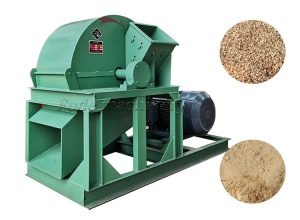
The sawdust machine processes wood into small sawdust or wood powder through the dual effects of mechanical cutting and airflow impact
View details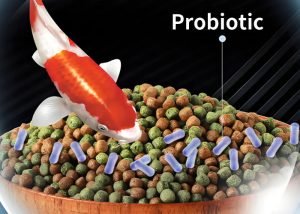
Fish farming needs good feed. Bad feed wastes money and hurts fish health. What is the best feed choice? The best fish feed depends on the fish species, age, and farming goal. It needs balanced nutrients, high digestibility, and often comes as ...
View details
HelloPlease log in