 Fude Machinery-wood crusher manufacturer
Application of sawdust machine in edible mushroom cultivation
592It is a machinery specifically used for processing wood, branches, roots, scraps, etc. into fine materials such as sawdust and sawdust
View detailsSearch the whole station Products
You might think a wood crusher is just for getting rid of waste. But the real value is in its many business applications. A wood crusher is a powerful tool that transforms low-value wood and biomass into profitable products. At FUDE Machinery, we design these machines to be the starting point for new revenue streams. Whether you are in energy, agriculture, or manufacturing, understanding the diverse applications of a wood crusher can unlock new opportunities for your business.
One of the biggest applications of a wood crusher is producing fuel for the biomass energy industry. This industry needs a consistent supply of small, uniform fuel particles to burn in boilers or to create densified fuel like pellets. Our wood crusher takes raw materials like logging residues, tree stumps, and wood scraps and turns them into the perfect feedstock.
The machine shatters the wood into a specific size, which allows for controlled and efficient combustion in a power plant. This process is the first and most critical step in generating clean, renewable energy from wood.For your business, this is a massive opportunity. You can turn forestry or agricultural waste into a high-demand product. The crushed material can be sold directly to biomass power plants. Or, you can take it a step further. The fine sawdust produced by our specialized sawdust machine is the ideal raw material for a complete wood pellet production line. By investing in a wood crusher, you position your business to serve the growing global demand for green energy. It allows you to convert a disposal cost into a steady source of income.

In the wood processing industry, a key application of a Wood Chipper is recycling waste into raw material for panel production. Furniture factories, sawmills, and wood product plants generate large amounts of waste. This includes offcuts, edge trims, bark, and shavings. Instead of paying to have this waste taken to a landfill, you can use a wood crusher to process it on-site. The machine efficiently transforms these scraps into fine, uniform wood particles. These particles are exactly what manufacturers of particleboard, MDF (Medium-Density Fiberboard), and other engineered wood panels are looking for.
This creates a perfect circular economy within your business. The wood crusher becomes an integral part of your operation, minimizing waste and maximizing resource utilization. You are no longer just a wood product manufacturer; you are also a raw material supplier. This not only eliminates your disposal costs but also creates an entirely new and profitable product to sell. As a factory-direct supplier, we can customize a crushing solution that integrates seamlessly into your existing production flow, making this application of a wood crusher both simple and highly effective for your bottom line.
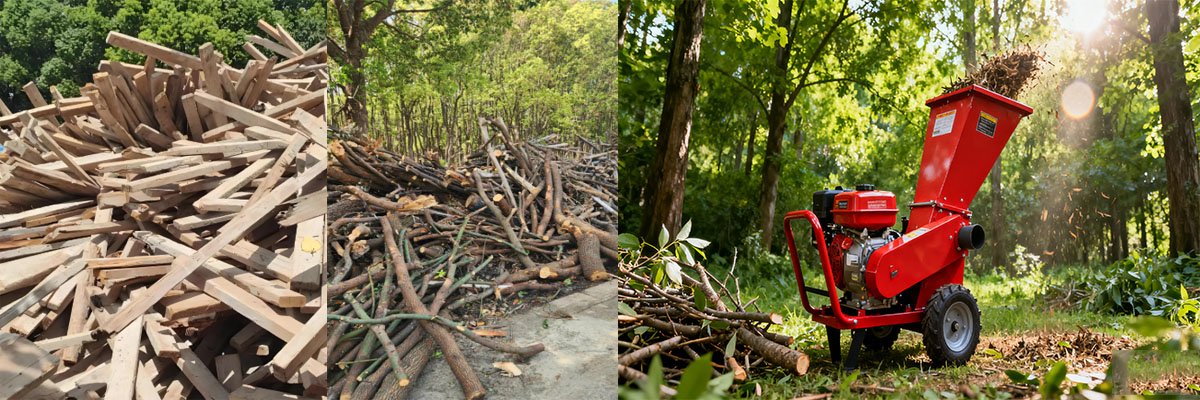
For farms and landscaping companies, the main applications of a Branch Shredder involve turning green waste into valuable agricultural products. These businesses constantly deal with pruned branches, cleared shrubs, and crop residues like corn stalks. A wood crusher, especially our mobile Branch Shredder model, is the perfect tool for this environment. You can bring the machine directly to the field or job site, which saves a huge amount of time and money on transporting bulky waste. The machine quickly processes this material into two primary products: animal bedding and garden mulch.
This versatility provides direct financial benefits. Livestock farms can produce their own absorbent and comfortable bedding from straw or wood shavings, drastically cutting down on purchasing costs. Landscaping companies can turn pruned branches into high-quality decorative mulch, which they can then sell to their customers as an additional product. This machine effectively turns a daily operational headache into several profitable opportunities. It is a practical and essential tool for modern, efficient land management.
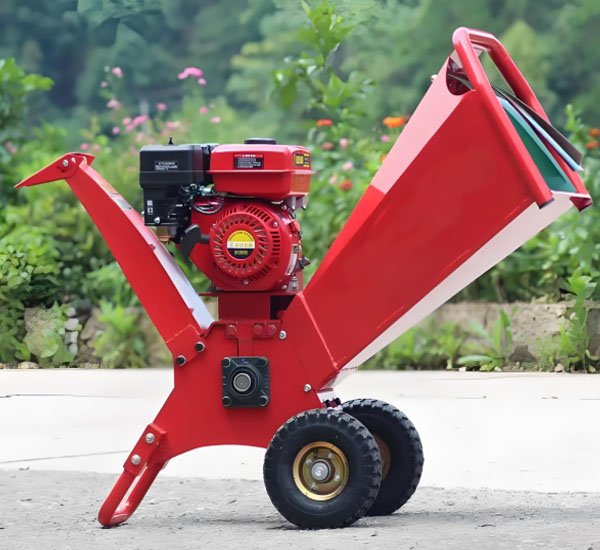
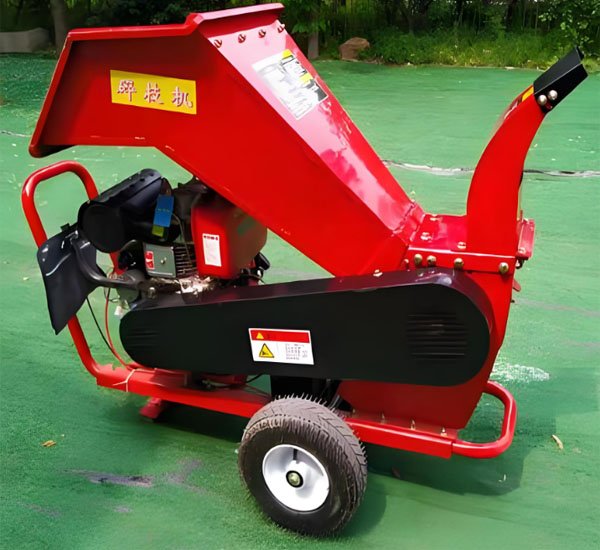
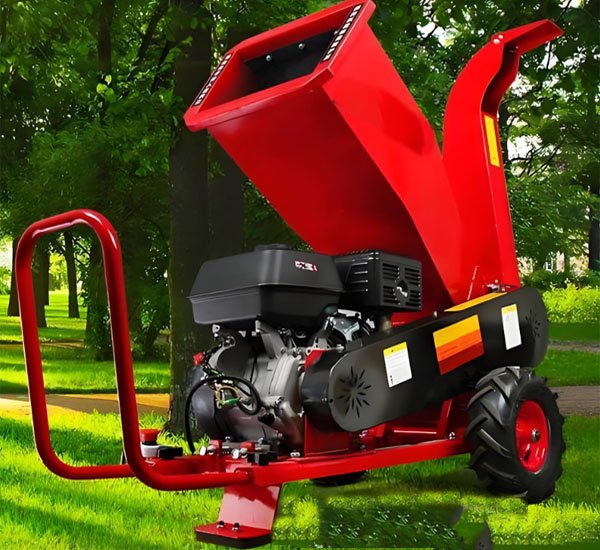
One specific application of a wood crusher on farms is creating animal bedding. Clean, dry, and absorbent bedding is essential for the health of livestock like cattle, horses, and poultry. It helps to keep animals clean and reduces the risk of disease. Using a hammer mill style wood crusher, you can process materials like straw, corn stalks, or dry wood shavings into a soft, fluffy material. This finished product has a large surface area, making it highly absorbent. By producing your own bedding on-site, you gain full control over the quality and supply, and you significantly reduce your operational expenses compared to buying pre-packaged bedding.
In landscaping and organic farming, another popular use is producing mulch or compost base. When you process tree branches and leaves through a wood chipper or crusher, you get wood chips. Spreading these chips around plants as mulch is incredibly beneficial. They help the soil retain moisture, which reduces your watering needs. They also suppress weed growth, saving you labor on weeding. Over time, the wood chips decompose, enriching the soil with organic matter. This application turns yard waste from a disposal problem into a valuable soil amendment tool that improves plant health and reduces maintenance.
| Application Area | Input Material | Output Product | Your Business Benefit |
|---|---|---|---|
| Biomass Energy | Logs, branches, wood waste | Wood chips, sawdust | Sell fuel to power plants or make pellets. |
| Wood Panel Mills | Factory offcuts, shavings | Fine wood particles | Eliminate waste disposal costs; sell to board makers. |
| Livestock Farming | Straw, corn stalks | Soft, absorbent bedding | Reduce operating costs by producing your own bedding. |
| Landscaping | Pruned branches, leaves | Mulch, compost base | Create a new product to sell; improve soil health. |
| Mushroom Farming | Hardwood branches, logs | Uniform sawdust substrate | Control substrate quality; grow high-value mushrooms. |
A critical application of a wood crusher is for edible mushroom cultivation, where it is used to create the perfect growing substrate. Many popular gourmet mushrooms, such as shiitake, grow on a base made of hardwood sawdust. However, they are very particular about the size and consistency of this substrate. If the particles are too large, there will be too many air pockets, and the mycelium (the mushroom’s root structure) cannot colonize it properly. If the particles are too fine, it will become too compact when wet, leading to a lack of oxygen and poor growth.
This is where our wood crushers provide immense value to your mushroom farm. By using a FUDE wood crusher with an interchangeable sieve screen, you can produce sawdust of the exact particle size required for optimal mushroom growth. You can process logs and branches from woods like oak or alder into a consistent, high-quality substrate. This gives you complete control over the most important factor in your cultivation process. Instead of relying on inconsistent and expensive outside suppliers for your substrate, you can produce it yourself from local, low-cost raw materials. This empowers you to improve your yields and increase your profits.
In a modern mechanized charcoal production line, the first essential step is using a wood crusher to prepare the raw material. To make high-quality, dense charcoal briquettes, the raw material must be of a uniform, small size, typically less than 5mm. Whether you are using wood branches, bamboo, or agricultural waste like rice husks, you must first crush it. This small particle size is crucial for the next steps in the process. It ensures the material dries evenly in the dryer and, more importantly, carbonizes uniformly in the carbonization furnace.
This is a fundamental application of a wood crusher within our complete equipment ecosystem. A uniform material size leads to a more efficient carbonization process, resulting in higher quality charcoal with a better yield. It also makes the final briquetting step smoother, as the small particles compact together more easily to form strong, dense briquettes. Without this initial crushing step, the entire charcoal production process would be inefficient and produce an inconsistent, low-value final product. Our crushers are designed to be the reliable starting point for a profitable mechanized charcoal production line.
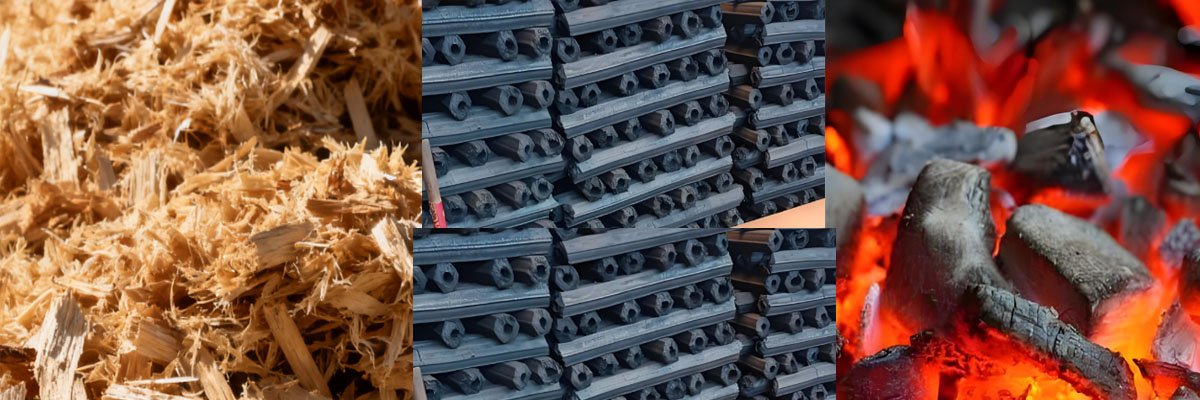
As you can see, the applications of a wood crusher extend far beyond simple waste management. This single piece of equipment is a versatile gateway to numerous profitable businesses. It can help you produce green energy, supply raw materials to manufacturers, create essential agricultural products, and even start a charcoal business. The key is its ability to transform a wide variety of low-cost or free raw materials into valuable, in-demand products.
At FUDE Machinery, we understand these diverse applications. As a factory-direct manufacturer, we can provide you with a customized, durable, and cost-effective machine tailored to your specific goals. We offer a one-stop solution, from single machines to complete production lines, all backed by our extensive experience and full-service support. If you are ready to turn your wood or biomass waste into a new revenue stream, we are here to help you get started.
Contact us today for a professional consultation and a competitive quote for your project.

It is a machinery specifically used for processing wood, branches, roots, scraps, etc. into fine materials such as sawdust and sawdust
View details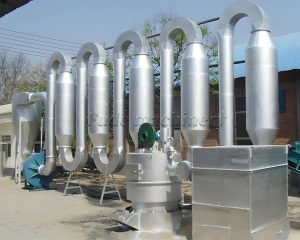
It is mainly based on the mixing and separation process of high-speed hot air flow and wet materials
View details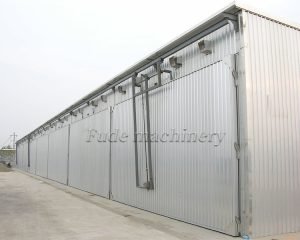
Box type wood dryer has a wide range of applicability
View details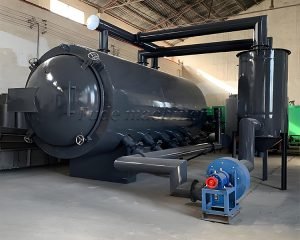
In the realm of charcoal production, technological advancements have paved the way for more efficient and sustainable processes. One such innovation that has been making waves in the industry is the horizontal carbonization furnace. This cutting-...
View details
HelloPlease log in