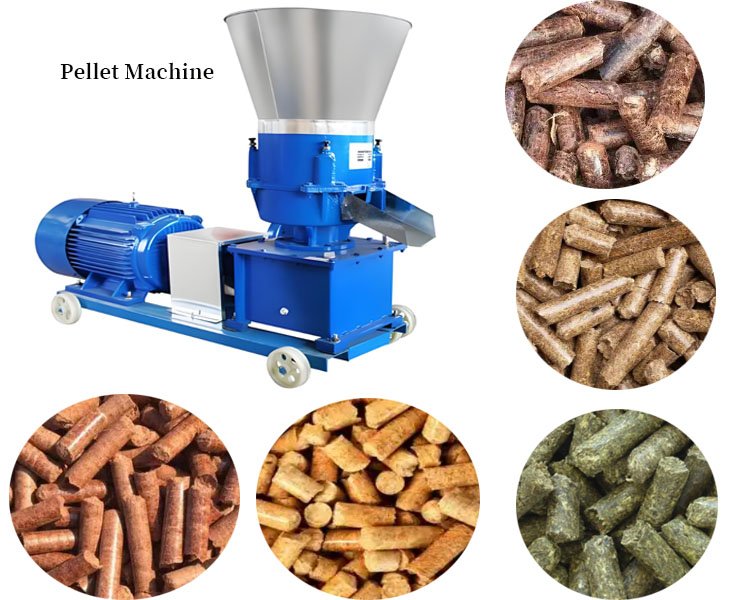
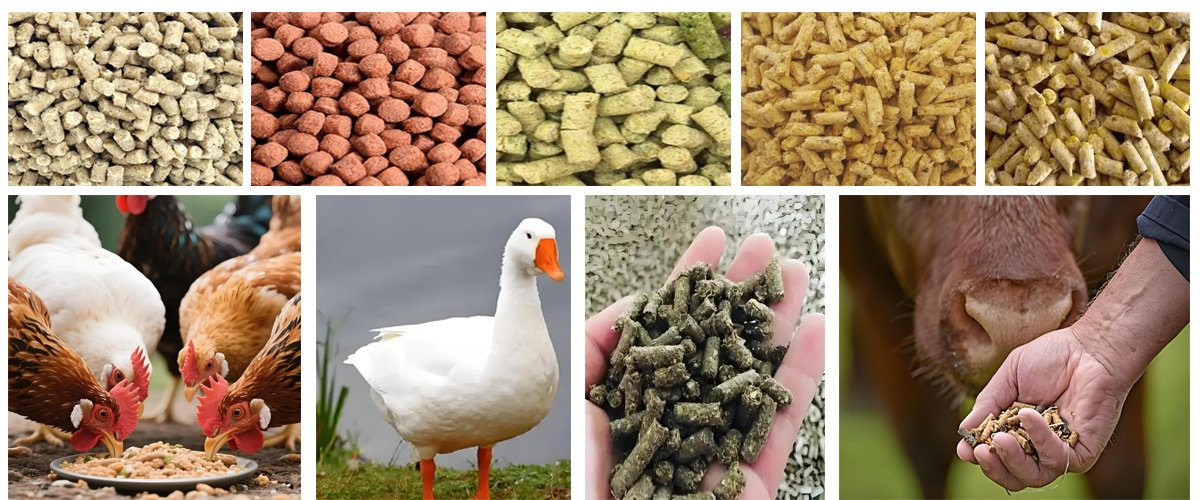
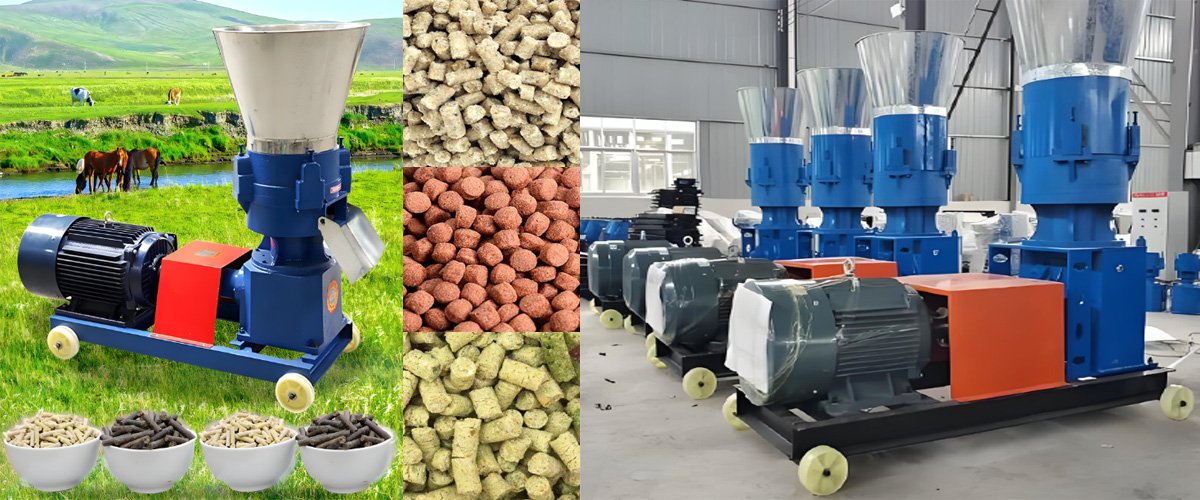
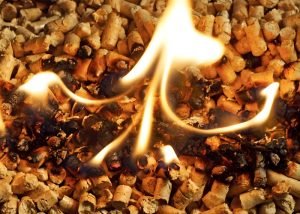
A feed pellet machine is a specialized equipment for compressing feed raw materials into pellets. Its core function is to convert crushed raw materials such as corn, soybean meal, straw, forage, rice husk, etc. into granular feed through physical pressing technology.
Feed pelletizers compress loosely mixed raw materials into dense, uniform pellets—the feed pellets themselves. This equipment is essential for any enterprise engaged in livestock, poultry, or aquaculture, transforming raw grains, proteins, and supplements into easily digestible animal feed. Fude Machinery manufactures such feed pelletizer systems, enabling you to produce high-quality feed that significantly enhances livestock health and farming efficiency.
What is the Main Function of a Feed Pelletizer?
The main function of a feed pelletizer is simple. It converts low-density raw materials into high-density finished feed. You take your mixed powders and grains. You run them through the feed pelletizer. The machine uses high pressure to form them into solid pellets. This transformation solves many problems for animal producers. It increases the stability of the feed. It improves the storage time of the feed. It also prevents the animals from picking out only their favorite ingredients.
This process is highly effective. The high pressure and heat generated during pelleting do more than just shape the feed. It also sanitizes the food. It reduces the bacteria count in the feed. This means healthier animals for your farm. The machine acts as a quality control tool. It ensures every bite the animal takes is nutritionally balanced. This consistency is key to maximizing growth rates and performance.
The Importance of Feed Density
Density is the most important factor in feed production. Loose mash feed takes up a lot of space. It is hard to store. It is also expensive to transport. A feed pelletizer increases the bulk density of the feed by up to 40%. This saves you money on logistics.
Increased density also means more energy in a smaller package. Animals, especially poultry, eat until they feel full. If the feed is dense, they consume more nutrients before their stomach feels full. This results in faster weight gain. For high-volume businesses, this small change in density leads to massive profits over time. A reliable feed pellet machine ensures maximum density every single time. This consistency is what separates professional operations from smaller ones.
Understanding the Pelleting Process
The process inside the feed pelletizer is mechanical. It is also thermal. First, raw ingredients are mixed and conditioned with steam. Steam softens the materials. Steam also activates the natural binders, like starch. This conditioning step is very important.
The conditioned mix then enters the pelletizing chamber. Here, the machine forces the mixture through small holes in a metal plate, called a die. Rollers push the material through these holes under intense pressure. As the material exits the die, small knives cut it to the desired length. The resulting pellets are hot and soft. They must then be cooled to harden. This entire process must be precise. FUDE machines control the pressure and temperature perfectly.
What are the Two Main Types of Feed Pelletizers?
When you look for a feed pellet machine, you will see two main designs. These are the flat die and the ring die designs. Both machines perform the same function. They compress feed into pellets. However, they are built for very different scales of production. Choosing the right type is the most critical decision for your business investment. We manufacture both types. We help you choose based on your daily tonnage requirement.
The design of the die determines the machine’s efficiency. It determines the power consumption. It also affects the final cost of the pellet. We focus on durable construction for both models. This means less downtime for your business. We know reliability is everything in a production environment.
Flat Die Feed Pellet Machines
The flat die feed pelletizer is the simpler design. It uses a horizontal flat disc with holes. Rollers spin above the disc. They press the raw material down through the holes. This design is robust. It is easy to operate. It is very easy to clean and maintain.
Flat die machines are ideal for small and medium-sized operations. They are perfect for individual farms. They are great for small feed processors. They typically have a lower initial cost. They are generally powered by electricity or a tractor’s power take-off (PTO). If you are new to feed production, or if you only need a few hundred kilograms per hour, the flat die feed pelletizer is the right choice for you. It offers simplicity and affordability.
Ring Die Feed Pellet Machines
The ring die feed pellet machine is designed for high-capacity industrial production. The die is shaped like a vertical ring. The rollers are placed inside the ring. Material is fed from the inside. The centrifugal force helps push the material through the die holes. This design is highly efficient. It produces more pellets per hour using less power.
Ring die pelletizers are standard in large commercial feed mills. They are built for continuous, round-the-clock operation. They require steam conditioning and more complex automation. If your business plans to sell feed commercially, or if you have thousands of animals, the ring die is mandatory. It ensures high throughput and excellent pellet quality. We provide complete feed production lines built around our reliable ring die pelletizers.
Who Needs a Feed Pelletizer?
Almost any business involved in intensive animal farming needs a feed pelletizer. Using pelleted feed is no longer a luxury. It is a standard requirement for optimizing animal health and maximizing profit. This machine transforms your raw ingredients into a superior product. This is true for large poultry houses. It is true for small family-run dairy farms.
The machine is especially valuable for businesses that have access to cheap raw materials. If you grow your own corn or soy, you can process it yourself. This reduces your reliance on expensive external suppliers. It gives you full control over the quality of your animal nutrition. The investment in a feed pellet machine quickly pays for itself through cost savings.
Livestock and Poultry Feed Production
For cattle, pigs, and chickens, a feed pelletizer is indispensable. Pellets are easier for these animals to consume. They prevent nutritional sorting. They ensure the animals get a balanced diet in every bite. This leads to predictable growth rates.
For poultry, the heat from the pelleting process helps destroy harmful substances. This makes the feed safer. For ruminants like cattle, pelleting increases the digestibility of certain fibers. This means the animal gets more energy from the same amount of food. Investing in a feed pellet machine means you are investing in the biological efficiency of your herd or flock. We tailor the diameter of the die to match the specific needs of your target animal.
Aquaculture and Fish Feed Production
Aquaculture is another major user of the feed pelletizer. Fish and shrimp require feed that is water-stable. This means the pellet must hold its shape for a long time when wet. If the pellet breaks down quickly, the food pollutes the water. This leads to wasted feed and poor water quality.
While simple pelletizers create sinking pellets, FUDE also offers specialized extruder machines. These machines use high pressure and temperature to cook the feed. This creates floating pellets. Floating pellets are crucial for monitoring feeding behavior. They ensure the food is consumed before it sinks. The decision between a standard feed pellet machine and an extruder depends entirely on whether you are raising bottom feeders or surface feeders.
What are the Key Benefits of Using Pelleted Feed?
Switching to pelleted feed brings multiple commercial benefits. These benefits affect your animals. They affect your operations. They affect your overall bottom line. The initial investment in a feed pelletizer is quickly offset by these gains. Pellets solve problems that mash feed simply cannot solve.
These advantages relate to nutrition, waste reduction, and logistics. For any large-scale operation, controlling these three factors is key to profitability. Pellets are the professional choice for animal nutrition. They simplify the feeding process for your workers.
Improved Nutritional Intake (Reduced Waste)
When animals are fed loose mash, they tend to sift through it. They select the tastiest pieces. They leave the less palatable but necessary supplements behind. This is called nutritional sorting. It leads to unbalanced diets. It results in wasted vitamins and minerals.
A pellet eliminates this behavior. Every pellet contains the exact formula you designed. There is no sorting possible. The hardness of the pellet also reduces dust. Dust is feed loss. A good feed pelletizer produces a hard, durable pellet. This greatly reduces the feed wasted during handling and feeding. Less waste means lower costs for you.
Better Feed Conversion Ratio
The Feed Conversion Ratio (FCR) is critical. FCR measures how efficiently an animal converts feed mass into body mass. A low FCR is desirable. It means the animal grows faster on less food. Pelleted feed consistently provides a better FCR than mash feed.
This improvement comes from two places. First, the improved digestibility caused by the heat during pelleting. Second, the elimination of nutritional sorting. Studies show that the FCR can improve by up to 10% when switching from mash to pellets. This means you need 10% less feed to achieve the same growth results. That is a huge saving when purchasing raw materials.
Easier Storage and Transportation
Pellets are dense and flow easily. This makes them much easier to handle than mash. They can be stored in large silos. They can be moved efficiently using automatic conveyor systems. Mash feed tends to clump. It can jam automated systems.
The density also cuts your transportation costs. You can load a heavier weight of feed onto a truck or container. You need fewer trips to move the same amount of nutrients. This logistical advantage is crucial for businesses serving wide geographical areas. The durability of the pellet means less breakage during transit. This maintains the quality of the feed until it reaches the end user.
How Do I Prepare Raw Materials for My Feed Pelletizer?
The feed pelletizer is the final step in feed creation. But the quality of the final pellet depends entirely on the preparation of the raw materials. You cannot put raw corn cobs or whole soybeans directly into the machine. They must be processed first. There are two main pre-processing steps.
If you skip these steps, your feed pellet machine will break down often. It will produce poor-quality pellets. We specialize in providing the entire complete processing line. This ensures every machine works together efficiently.
%alt with keywords: A hammer mill grinding corn kernels into fine powder
Sizing the Ingredients (Grinding)
All raw ingredients must be ground into a fine powder. The powder must be uniform. This allows the ingredients to mix perfectly. It allows them to bond together tightly in the feed pelletizer. If the particle size is too large, the pellet will be weak and crumble easily.
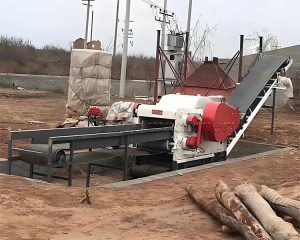
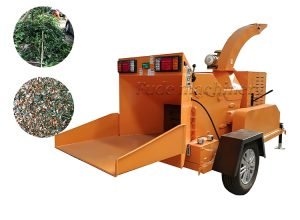
We use a hammer mill for this step. The hammer mill crushes grains, hay, or other materials into powder. The correct particle size is usually around 3-5mm. This is similar to the pre-processing needed for bio-fuel production, where a robust wood crusher is used. Grinding ensures maximum surface area for steam penetration.
Controlling Moisture Content
Moisture is the binding agent. It is also the enemy. For optimal pelleting, the moisture content must be perfect. It usually needs to be between 15% and 17%. If the material is too dry, the pellet will not bind. It will shatter.
If the material is too wet, the pellet will be soft. It will clog the die. If your raw materials are too wet, you will need a rotary dryer before grinding or pelleting. This drying process ensures stability. It prevents mold and decay in the final stored feed. Proper moisture control is non-negotiable for success.
The FUDE Advantage: Choosing Your Feed Pellet Machine
When selecting a feed pellet machine, you are not just buying a machine. You are buying a production partner. We are a factory-direct manufacturer. We offer several advantages over trading companies. Our expertise is rooted in the engineering of wood and feed machinery.
We have a dedicated team of engineers. They design every part of the feed pelletizer. This means we understand how different materials behave under pressure. This knowledge allows us to offer superior durability and customized solutions. We want your machine to run reliably for decades.
Customization and Technical Support
Every animal requires a different pellet. A fish pellet is different from a piglet pellet. We offer customization. We can adjust the compression ratio of the die. This controls the density and hardness of the final pellet. You get the perfect feed for your specific animals.
Our support is direct. If you have a problem, you speak directly to the manufacturer. We do not use layers of middlemen. This means faster, more accurate support. We provide training for your operators. We ensure you know how to maintain and optimize your feed pellet machine.
Factory-Direct Pricing
As a B2B manufacturer, we sell directly to you. This removes the distributor and agent costs. This gives you a significant price advantage. You get a high-quality, durable feed pelletizer at a more competitive price. We offer complete solutions. We offer everything from the hammer mill to the final cooling tower. This simplifies your purchasing process. You deal with one single, reliable supplier.
Frequently Asked Questions
Question 1: What is the ideal protein content for pellets?
The ideal protein content varies completely by animal and age. For example, young chicks require about 20% protein. Finishing hogs might need 14%. Your feed pelletizer is designed to process the formula you create. The machine itself does not add protein.
Question 2: Why do I need a cooler after pelleting?
You need a cooler because the pellets are very hot when they leave the feed pelletizer. They are also soft. The cooling process removes heat and moisture. This hardens the pellet. It prevents mold growth during storage. A proper cooling system is essential for product quality.
Question 3: Can I pellet high-fat materials in my feed pellet machine?
Yes, you can. You must be careful. High fat can make the pellets soft. It can also clog the die holes. You usually need to adjust the formulation. We can advise you on the maximum fat content suitable for your specific feed pelletizer model.
Question 4: Does FUDE offer mobile feed pelletizing solutions?
Yes, we do. While most commercial feed mills are fixed, we offer smaller, heavy-duty mobile feed pelletizer units. These are useful for large ranches or when serving multiple smaller farms. The mobility allows you to process materials on-site, saving transport costs.
Start the pellet machine business plan
A feed pelletizer is an indispensable machine. It transforms raw ingredients into high-quality animal nutrition. This switch to pelleted feed means improved FCR, reduced waste, and lower logistical costs for your business. The choice between a flat die feed pellet machine and a ring die model depends on your scale. Small farms should look at flat die. Commercial enterprises need the ring die model.
Contact us today to speak with an engineer. We will design your customized feed pellet production line.
 Fude Machinery-wood crusher manufacturer